Study Links Frequent Cannabis Use to Higher Waking Cortisol Levels
Small observational study finds elevated morning cortisol in frequent users but no change in stress-response curve.
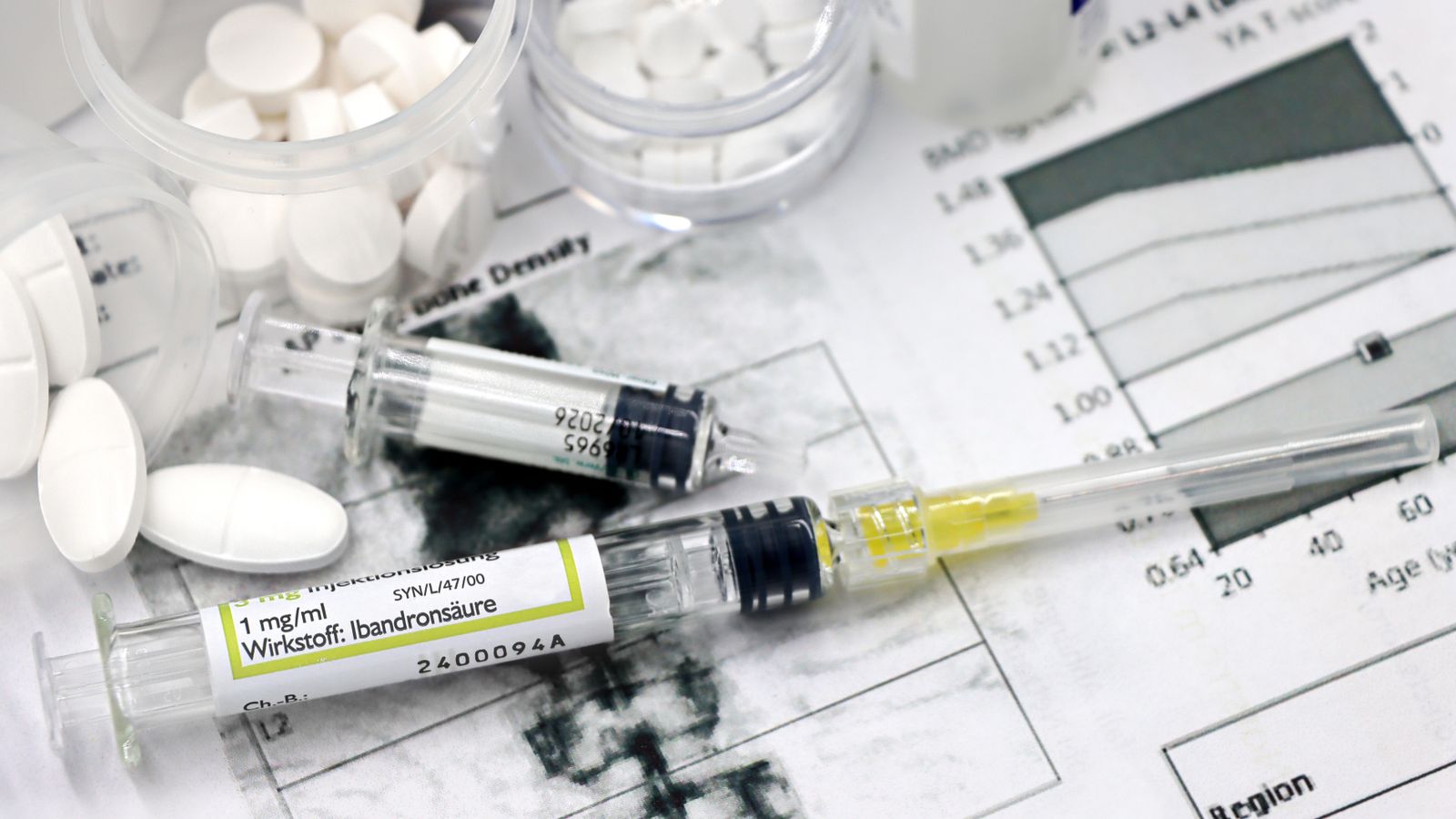
Medical arrangement of osteoporosis treatment tools with injections and pills.
Study Design and Cortisol Measurement Protocol
The observational study measured salivary cortisol at four time points—immediately upon waking, then at 15, 30, and 45 minutes—across 58 participants divided into frequent-use and control cohorts. Researchers defined frequent use as self-reported cannabis consumption at least four days per week for the prior six months. Controls reported no cannabis use in the same window.
Participants collected saliva samples at home on two consecutive weekdays. Cortisol concentrations were analyzed via enzyme immunoassay at a university endocrinology lab. Excluded: individuals with diagnosed endocrine disorders, current use of corticosteroids, or shift-work schedules that disrupt circadian rhythm.
Waking Cortisol Elevated; Awakening Response Unchanged
Frequent cannabis users showed a mean waking cortisol level 22% higher than controls (12.4 nmol/L vs. 10.2 nmol/L), a difference that reached statistical significance (p = 0.031). The cortisol awakening response—the rate and magnitude of the hormone's rise in the first 30 minutes—didn't differ between groups. Both cohorts exhibited the expected CAR curve, peaking around 30 minutes post-wake.
The data suggest frequent cannabis use correlates with a higher cortisol baseline at the moment of waking but doesn't flatten or exaggerate the physiological stress-response arc that follows. Study authors noted that elevated waking cortisol has been associated in prior literature with chronic stress states, though they emphasized the cross-sectional design precludes causal inference.
Limitations and Confounding Variables
The study didn't control for THC potency, consumption method, or time of last use before the sampling window, all variables known to influence endocannabinoid-HPA axis interactions. Self-reported frequency is subject to recall bias. The sample size of 58 participants limits statistical power for subgroup analysis by sex, age, or consumption pattern.
No blood or urine cannabinoid assays were performed to verify recency or cumulative exposure. Reverse causation can't be ruled out—individuals with pre-existing elevated cortisol may self-medicate with cannabis. For full background on cortisol and cannabis endocrinology, see the CannIntel topic hub on Cannabis Cortisol and Stress Research.
Implications for Medical Cannabis Protocols
Clinicians advising medical cannabis patients on stress-related conditions may need to monitor baseline cortisol, particularly in chronic-use cases where the HPA axis is already dysregulated. The finding doesn't contradict the acute anxiolytic effects of cannabinoids documented in controlled trials. It does raise questions about long-term homeostatic adaptation.
State medical cannabis programs don't currently require endocrine screening as part of patient certification. If the association holds in larger longitudinal cohorts, regulatory frameworks may eventually mandate cortisol monitoring for patients using cannabis daily for anxiety or PTSD—conditions already characterized by HPA dysfunction.
Watch for replication studies with objective cannabinoid biomarkers and longitudinal cortisol tracking to distinguish acute from chronic effects.
Frequently asked questions
What is the cortisol awakening response (CAR)?
The CAR is the physiological rise in cortisol that occurs in the first 30-45 minutes after waking, typically peaking around 30 minutes post-wake. It is a biomarker of HPA axis function and stress regulation.
Does higher waking cortisol mean cannabis causes chronic stress?
Not necessarily. The study found an association, not causation. Reverse causation—people with pre-existing elevated cortisol using cannabis to self-medicate—cannot be ruled out. Longitudinal studies are needed.
How was frequent cannabis use defined in the study?
Frequent use was defined as self-reported consumption at least four days per week for the prior six months. The study did not verify use with biomarker testing or control for THC potency or consumption method.
Should medical cannabis patients get cortisol testing?
Current state medical cannabis programs do not require endocrine screening. Clinicians may consider baseline cortisol monitoring for chronic users, especially those treating anxiety or PTSD, conditions already linked to HPA dysregulation.
Sources
The cannabis newsletter you forward to your team.
Federal policy, market data, grower alerts, and the one story that matters today. Sent every weekday at 7am. Free.
No spam. Unsubscribe with one click. 21+ only.
Related from Medical
Report Says CBD Study Cut Alzheimer's Damage; Details Unverified
The Marijuana Herald reported a study linking CBD to better memory and less Alzheimer's-related brain damage, but the underlying research hasn't been identified.
New Study Links Cannabis to Sudden Panic, StudyFinds Reports
StudyFinds reported Oct. 11 that new research shows cannabis can trigger sudden panic in a calm brain. The underlying paper is not yet verified.
Trial Reports THC-CBD-Terpene Blend Cut Morphine Use Nearly 50%
A clinical trial of a THC, CBD and terpene formulation reported a near-50% drop in morphine use among acute nerve pain patients.
More from the newsroom

Illinois Report Shows Cannabis Volume Up, Revenue and Taxes Down
A new state report shows Illinois customers bought more cannabis at lower prices, a mix that cut sales revenue and tax collections.

Cannabis Retailers Object to Minimum Store Staffing Rules
CTV News reports retailer pushback on minimum staffing requirements at cannabis stores, but the rule's citation, regulator and thresholds remain unconfirmed.

Safe Harbor Marijuana Banking Deposits Hit $119.3M, Up 7.4%
Deposits tied to Safe Harbor's cannabis banking business rose 7.4% year over year, a steady gain that leaves the larger access question open.