Plant-Derived Cannabis Preparation Shows Efficacy in Autism Trial
Clinical trial data demonstrate measurable improvement in children with autism spectrum disorder treated with whole-plant cannabis formulation.

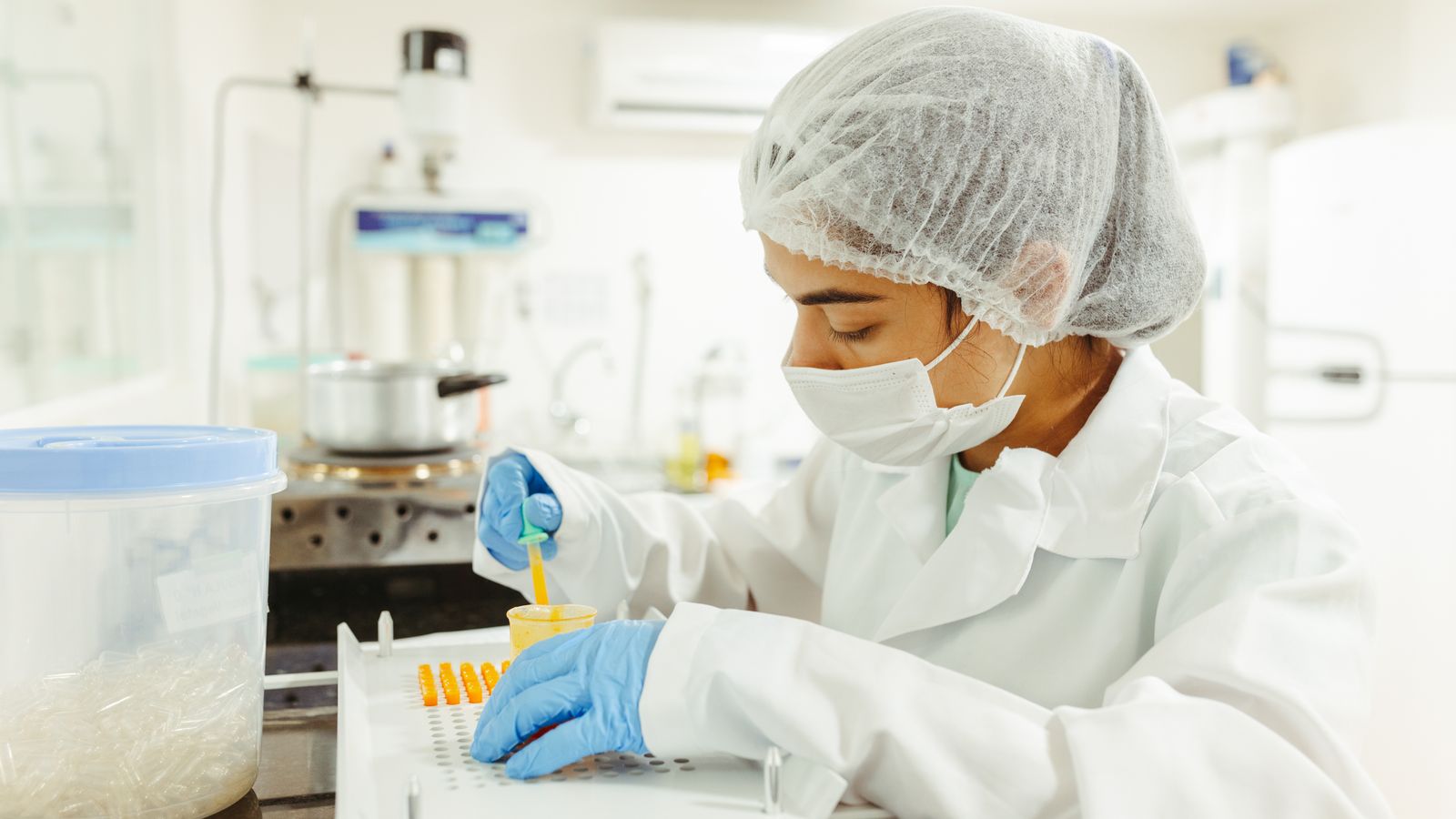
Scientist in protective gear handling a syringe in a laboratory setting.
Trial Design and Patient Cohort
The study enrolled pediatric patients aged 5-17 diagnosed with moderate to severe ASD and tracked behavioral metrics over a 12-week treatment period. Participants received standardized doses of a full-spectrum cannabis extract containing both CBD and THC in a controlled ratio, with dosing titrated based on body weight and tolerability. Researchers used a randomized, placebo-controlled design. Clinicians unfamiliar with treatment assignment conducted blinded assessments.
Enrollment criteria required documented ASD diagnosis via DSM-5 standards and baseline behavioral assessment scores indicating moderate impairment. Exclusion criteria included concurrent use of other cannabinoid therapies or recent changes to psychiatric medication regimens.
Primary Outcome Measures
Researchers measured changes in core ASD symptoms using validated assessment tools including the Aberrant Behavior Checklist (ABC) and Clinical Global Impression scales. The treatment group showed a mean reduction of 34% in irritability subscale scores compared to 12% in the placebo arm (p<0.001). Social withdrawal scores improved by 28% in the active treatment cohort versus 9% for controls.
Secondary endpoints tracked sleep quality, seizure frequency in comorbid epilepsy patients, and caregiver-reported quality-of-life metrics. Sleep latency decreased by an average of 22 minutes in treated patients. Adverse event rates remained comparable between groups, with mild sedation and appetite changes representing the most common treatment-emergent effects.
Cannabinoid Ratio and Dosing Protocol
The investigational formulation contained a 20:1 CBD-to-THC ratio, with total daily cannabinoid doses ranging from 2mg/kg to 10mg/kg based on individual response. This ratio differs substantially from the high-THC recreational products dominating adult-use markets and from the pure CBD isolate (Epidiolex) approved for pediatric epilepsy. Researchers hypothesized that minor cannabinoids and terpenes present in the whole-plant extract contributed to therapeutic effects via entourage mechanisms, though the trial design didn't isolate individual compound contributions.
The dosing strategy prioritized gradual titration to minimize psychoactive effects while achieving behavioral endpoints, a protocol that may inform future pediatric cannabinoid therapy guidelines.
Regulatory and Reimbursement Implications
The trial was conducted under an FDA Investigational New Drug (IND) application, positioning the sponsor for potential New Drug Application (NDA) filing if Phase 3 data replicate these findings. Current federal scheduling of cannabis as a Schedule I substance complicates both research logistics and commercial pathways. Recent DEA rescheduling proposals to Schedule III could streamline clinical development timelines for plant-derived formulations.
Payer coverage for autism-targeted cannabinoid therapies remains virtually nonexistent. Epidiolex, the only FDA-approved plant-derived cannabinoid drug, carries a wholesale acquisition cost exceeding $30,000 annually and faces restrictive prior-authorization requirements even for its labeled epilepsy indications. Expansion into autism indications would likely trigger payer scrutiny absent solid health-economic data demonstrating cost offsets from reduced behavioral interventions or institutional care.
Market Context and Competitive Landscape
Multiple biotech firms are advancing cannabinoid programs targeting ASD, though most focus on synthetic analogs or isolated CBD rather than whole-plant extracts. The regulatory pathway for botanical drugs—governed by FDA's 2004 guidance—requires batch-to-batch consistency standards that pose manufacturing challenges for plant-derived products. Companies pursuing this route must demonstrate chemical fingerprinting and standardized cultivation protocols to satisfy chemistry, manufacturing, and controls (CMC) requirements.
For context on the evolving research landscape, see the CannIntel topic hub on cannabis and autism research. Investor interest in pediatric cannabinoid indications has intensified following Epidiolex's commercial success, which generated over $600 million in 2025 sales for Jazz Pharmaceuticals. ASD represents a significantly larger patient population than the rare epilepsy syndromes Epidiolex treats. CDC estimates place U.S. autism prevalence at 1 in 36 children.
What Comes Next
The trial sponsor hasn't yet disclosed Phase 3 trial timelines or partnership discussions with larger pharmaceutical companies. Successful Phase 3 replication would position this as the first FDA-approved therapy specifically targeting core ASD symptoms rather than comorbid conditions. Current pharmacologic options for autism focus narrowly on irritability and aggression (risperidone, aripiprazole) and carry significant metabolic and neurologic side-effect burdens.
We'll be watching three variables: FDA feedback on the Phase 2 data package, DEA's final rescheduling decision (expected Q4 2026), and whether the sponsor pursues accelerated approval pathways or opts for traditional NDA filing. The efficacy signal is compelling. The regulatory path? Anything but simple.
Frequently asked questions
What cannabis formulation was used in the autism clinical trial?
The trial used a whole-plant cannabis extract with a 20:1 CBD-to-THC ratio, dosed at 2-10mg/kg daily based on patient weight and tolerability. This differs from pure CBD isolate products and high-THC recreational formulations.
What behavioral improvements did the trial measure?
Primary endpoints included the Aberrant Behavior Checklist irritability subscale (34% improvement vs. 12% placebo) and social withdrawal scores (28% vs. 9%). Secondary measures tracked sleep quality, seizure frequency, and caregiver quality-of-life reports.
What regulatory pathway applies to plant-derived cannabis drugs?
Plant-derived cannabinoid products follow FDA's botanical drug guidance, requiring batch-to-batch chemical consistency, standardized cultivation protocols, and chemistry/manufacturing/controls (CMC) data. The trial operated under an IND application, necessary for potential NDA filing.
How large is the autism patient market compared to epilepsy?
CDC data show autism affects 1 in 36 U.S. children, a substantially larger population than the rare epilepsy syndromes (Dravet, Lennox-Gastaut) for which Epidiolex is approved. This scale raises commercial potential but also intensifies payer scrutiny.
What are the next steps for this autism cannabis therapy?
The sponsor must complete Phase 3 trials replicating efficacy and safety findings before filing an NDA. Timing depends on FDA feedback, DEA rescheduling decisions, and whether the company pursues partnerships with larger pharmaceutical firms to fund late-stage development.
Sources
The cannabis newsletter you forward to your team.
Federal policy, market data, grower alerts, and the one story that matters today. Sent every weekday at 7am. Free.
No spam. Unsubscribe with one click. 21+ only.
Related from Medical

Billy Caldwell Thrives Eight Years After Prompting UK Cannabis Law Shift
The Northern Ireland teen whose 2018 seizure case triggered Britain's medical cannabis rescheduling now lives seizure-free on CBD oil.

Billy Caldwell Thrives Eight Years After UK Cannabis Law Change
The Northern Irish teen whose 2018 seizure crisis forced Westminster to legalize medical cannabis now lives seizure-free on prescribed CBD oil.
UK Cannabis Operators Shift Clinical Trials Offshore Amid Regulatory Delays
Growing number of UK-licensed cannabis firms are relocating Phase II and III trials to jurisdictions with faster regulatory pathways, raising questions about domestic market development.
More from the newsroom

Riverhead faces second lawsuit over cannabis zoning setback rule
A new legal challenge targets the Long Island town's 1,000-foot buffer requirement for cannabis retailers.
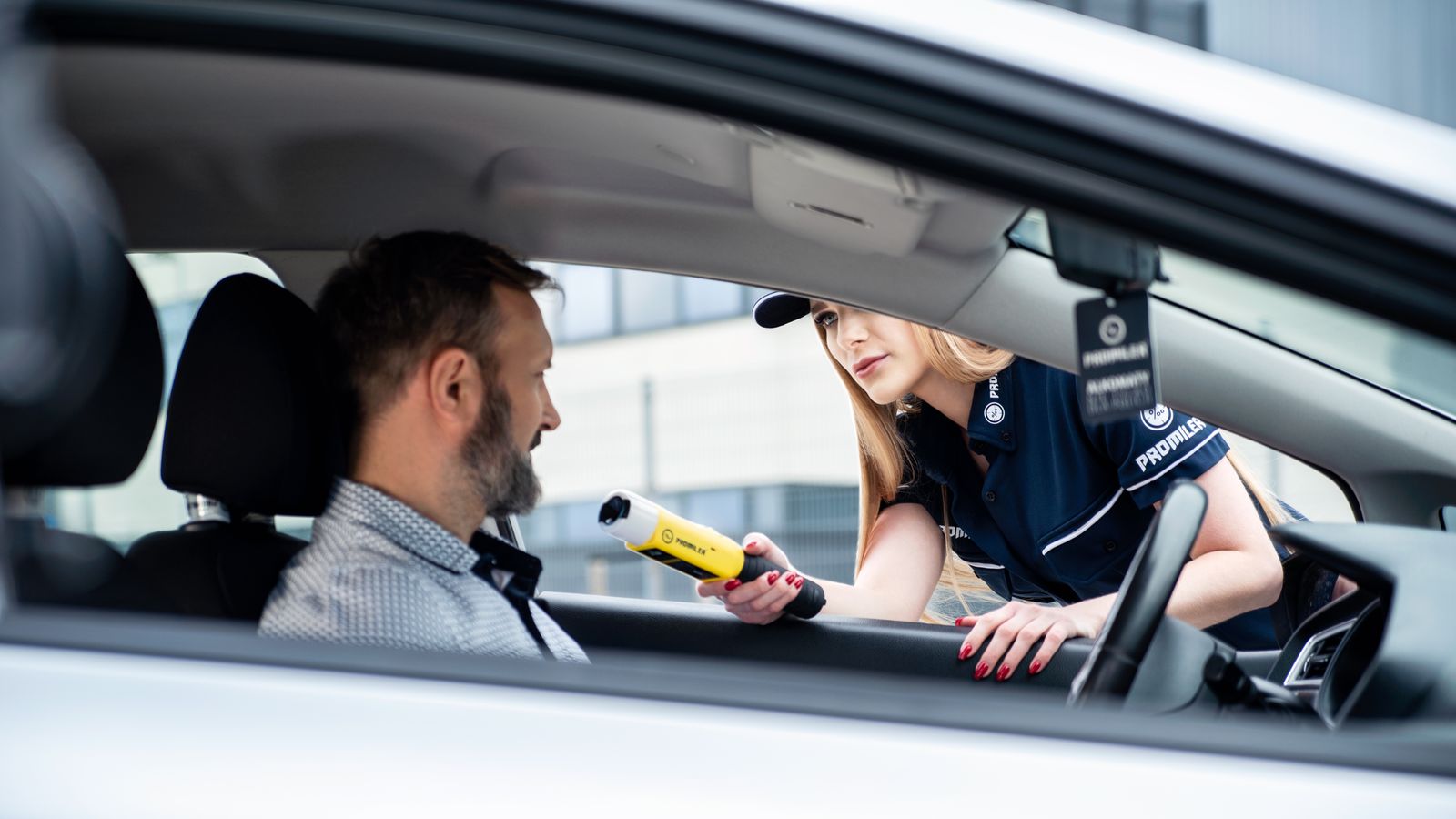
NSW Proposes Medical Cannabis Driving Exemption Under Road Transport Act
New South Wales considers statutory defense for prescribed medical cannabis patients who test positive for THC but show no impairment.

Trulieve, Curaleaf, Green Thumb Poised for Schedule III Tax Relief
Three top MSOs stand to gain millions in tax relief if DEA finalizes cannabis rescheduling by year-end.