New York Hosts Reported First U.S. Cannabis Chronic Pain Trial
Cannabis Equipment News reports a New York trial of cannabis for chronic pain; sponsor, design and federal approvals were not in the report CannIntel reviewed.

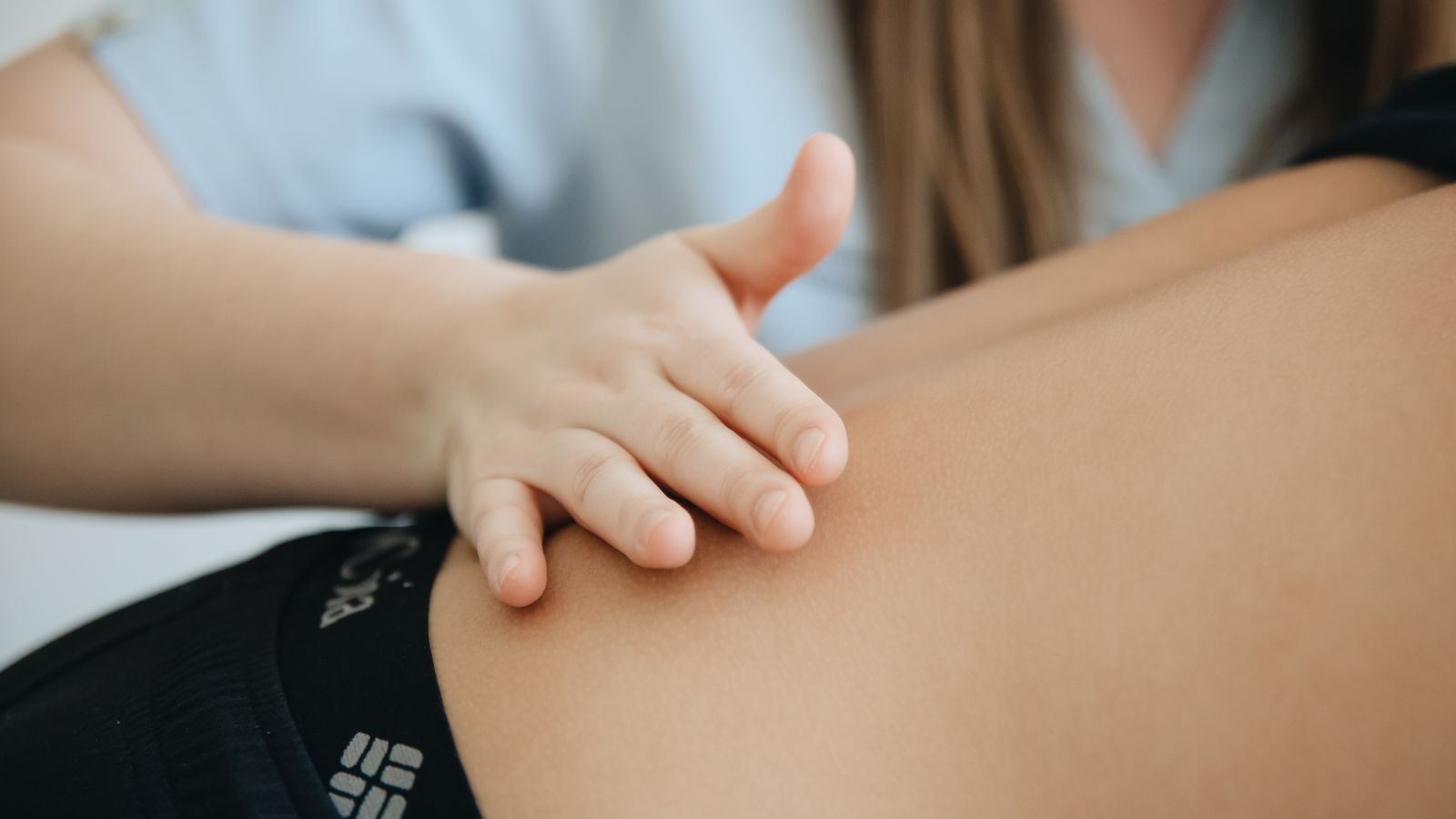
A therapist stretches a patient's back during a physical therapy session indoors.
A New York trial, billed as a first, enters the record
Cannabis Equipment News reported on Oct. 5, 2026, that New York is hosting what it described as the first U.S. trial of cannabis for chronic pain.
Chronic pain is the condition that drives more medical cannabis certifications than almost any other, and the evidence base behind that demand is thin. A trial that tests the plant, rather than an isolated drug, would speak directly to that gap.
That's the headline. The details are another matter, and CannIntel is separating what has been reported from what has not.
What the report confirms, and what it leaves out
The signal CannIntel reviewed carries a headline and an attribution, but no sponsor, site, enrollment figure, product specification or registry number.
The material available to this newsroom doesn't identify the principal investigator or the institution running the study. It doesn't say how many patients will enroll, whether the study is randomized or placebo-controlled, or what THC-to-CBD ratio participants will receive. Funding is also unstated.
Those gaps aren't cosmetic. A small open-label pilot and a multi-site, double-blind trial are different animals, and they carry different weight with regulators, insurers and physicians. Until the underlying documents surface, treat the study's scale as unknown.
CannIntel hasn't independently verified the report. We'll update this story when a registry entry, institutional statement or protocol is available.
Why 'first' needs an asterisk
U.S. researchers have studied cannabis for pain before, so the 'first' label likely rests on a narrow definition.
Earlier American work, including studies run through the California-based Center for Medicinal Cannabis Research, tested smoked and vaporized cannabis in neuropathic pain populations. Those studies didn't happen in New York, and they weren't necessarily framed around chronic pain as a broad category.
So the superlative could be accurate in a limited sense: first in the state, first under a certain design, first with a certain product type. It could also be loose. The study's own registration language will settle which.
Anyone quoting the claim should take note. Repeating 'first U.S. trial' without the qualifier invites a correction.
The federal gate: Schedule I and research registration
Any U.S. trial of cannabis still runs through federal law, because marijuana remains a Schedule I substance under 21 U.S.C. § 812(c).
Researchers handling Schedule I material need a DEA registration under the Controlled Substances Act, 21 U.S.C. § 823. A trial testing a product for a therapeutic claim also typically needs an investigational new drug application with FDA, authorized by the Federal Food, Drug, and Cosmetic Act at 21 U.S.C. § 355(i).
Congress eased part of that path with the Medical Marijuana and Cannabidiol Research Expansion Act, Pub. L. 117-215, signed on Dec. 2, 2022. The law directed DEA to streamline registration for marijuana researchers and to expand the supply of research-grade material.
Where the trial's cannabis comes from is the first question a careful reader should ask. Federally sourced material, state-licensed product and a manufactured formulation each carry different regulatory and scientific implications. Not yet answered.
New York's regulatory setting
New York already lets certified patients use cannabis for chronic pain, so a trial would test a practice that is legal and widespread in the state.
Chronic pain is a qualifying condition under the state's medical program, which now sits within the Cannabis Law enacted through the 2021 Marihuana Regulation and Taxation Act. The Office of Cannabis Management (OCM) oversees both the medical and adult-use markets.
That context cuts two ways. Patients can access cannabis today without a trial, which may help enrollment but complicates recruitment of participants who aren't already self-treating. And a New York site gives investigators a large pool of experienced cannabis users, which can muddy blinding.
Nothing in the signal says OCM is a sponsor or partner. CannIntel won't assume it is.
What operators, patients and investors should watch
The trial's value depends on design details that haven't yet been made public.
For licensed operators, a well-built trial could supply the first state-linked outcome data to support product claims, though claims remain tightly limited by state marketing rules and federal law. For patients, the question is simpler: does the study compare cannabis against placebo, against opioids or against usual care? The answer shapes what any result can say.
Investors should note that a single trial rarely moves policy. Yet a credible one, in a major state, would hand rescheduling advocates and medical-program defenders something they currently lack. That math is hard to argue with.
Three documents will tell the story:
- A ClinicalTrials.gov registration, with endpoints and enrollment targets
- The DEA registration and FDA IND status of the investigators
- The institutional review board approval and funding disclosure
For full background on this story, see the CannIntel topic hub on cannabis chronic pain clinical trials, which tracks registrations, results and regulatory actions as they emerge.
The next signal: a registry entry or institutional announcement naming the sponsor and protocol. Without it, 'first' is a headline, not a finding.
For complete background, history, and our ongoing coverage of this story:
Open the CannIntel topic hub →Frequently asked questions
Is New York hosting the first U.S. trial of cannabis for chronic pain?
Cannabis Equipment News reported it as such. CannIntel hasn't verified the claim, and earlier U.S. studies tested cannabis for pain, including neuropathic pain. The 'first' label likely depends on a narrow definition of design, product or location.
Does a cannabis trial need federal approval?
Generally, yes. Marijuana is Schedule I under 21 U.S.C. § 812(c), so researchers need DEA registration under 21 U.S.C. § 823. Trials testing therapeutic claims typically also need an FDA investigational new drug application under 21 U.S.C. § 355(i).
Is chronic pain a qualifying condition for medical cannabis in New York?
Yes. Chronic pain is a qualifying condition in New York's medical cannabis program, which is overseen by the Office of Cannabis Management under the state Cannabis Law enacted through the 2021 Marihuana Regulation and Taxation Act.
What did the Medical Marijuana and Cannabidiol Research Expansion Act do?
Signed Dec. 2, 2022 as Pub. L. 117-215, it directed DEA to streamline registration for marijuana researchers and to expand the supply of research-grade cannabis. It did not change marijuana's Schedule I status.
Sources
The cannabis newsletter you forward to your team.
Federal policy, market data, grower alerts, and the one story that matters today. Sent every weekday at 7am. Free.
No spam. Unsubscribe with one click. 21+ only.
Related from Medical

Survey of 7,913 German Patients Finds Pharmacy Cannabis Preferred
A survey of 7,913 German medicinal cannabis patients, nearly 90% with experience of both channels, points to the illegal market as a major source of stress.

ASA Announces 2026 Cannabis Safety Awards as Rescheduling Looms
Americans for Safe Access named its 2026 Cannabis Safety Awards honorees, tying the recognition to rescheduling-era debates over youth access, impaired driving and product safety.
High Times Reframes Cannabis Pain Debate Around Patient Fit
A High Times Magazine piece published Oct. 21 shifts the chronic pain question from whether cannabis works to which patients it works for.
More from the newsroom
AG Blanche Says DOJ Won't Interfere With State-Legal Cannabis
Attorney General Todd Blanche said the Justice Department isn't seeking to interfere with state-legal marijuana operators, but no written policy or rule change accompanied the reported remarks.

Blanche Says Lucas Charges Aren't Aimed at State Cannabis Laws
The attorney general framed the federal case against Virginia's Senate president pro tem as conduct-based, not a move against state marijuana policy.

DOJ indicts Virginia lawmaker, six others over hemp THC shop
Federal prosecutors charged a Virginia state lawmaker and six others over a hemp THC operation, testing where hemp ends and marijuana begins.