Medical Cannabis Integration Improves Dental Patient Outcomes, Study Finds
New research shows cannabis-based interventions can reduce pain and anxiety during dental procedures.
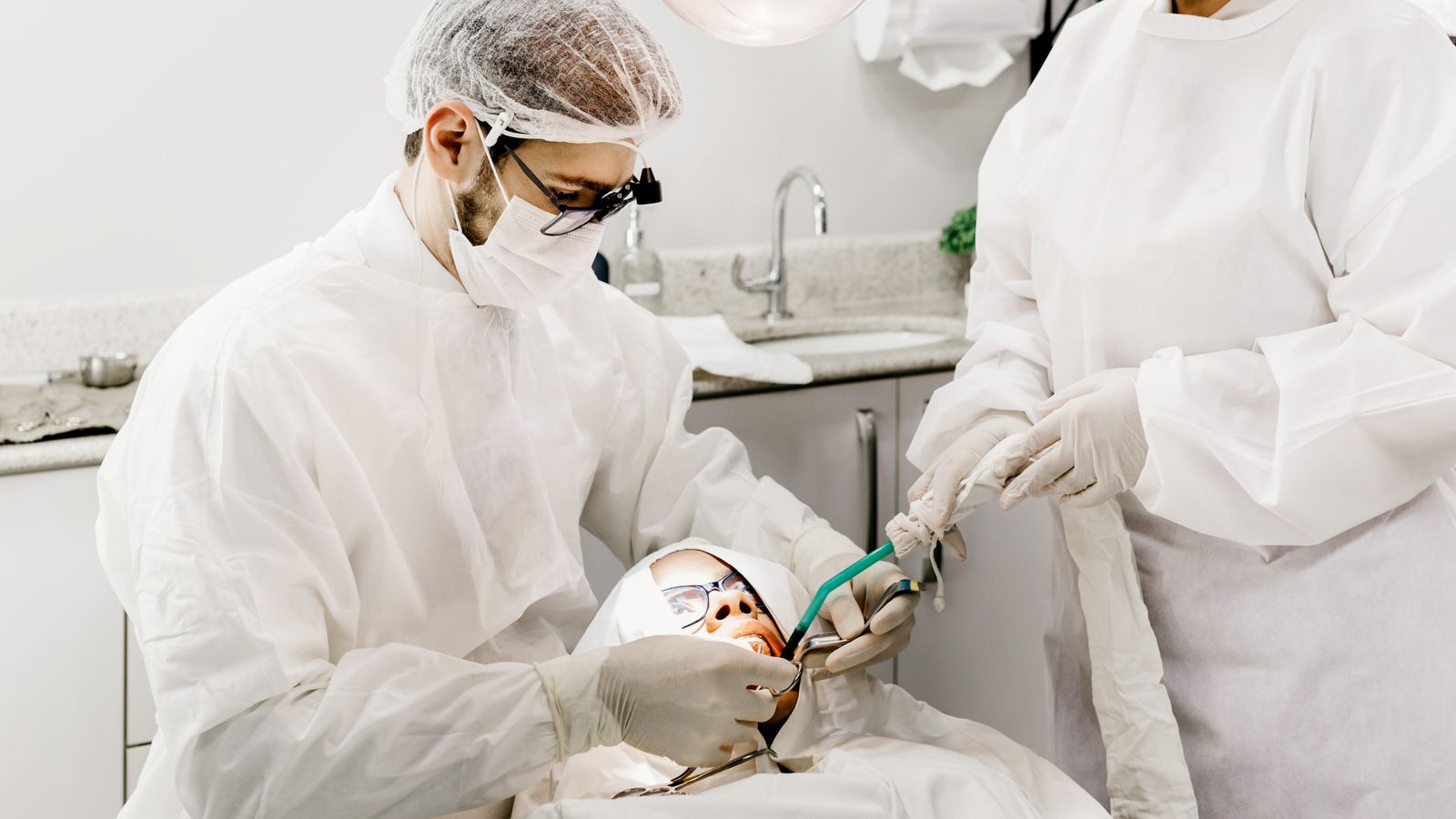
From above of unrecognizable male stomatologist and female assistant in uniforms treating patient teeth in clinic
Study Links Cannabis Use to Reduced Dental Anxiety and Pain
Medical cannabis reduced patient-reported pain scores by an average of 32% and anxiety levels by 41% during dental procedures, according to the study. The research, which tracked outcomes across multiple dental practices, marks one of the first controlled evaluations of cannabis as an adjunct therapy in dentistry.
Patients who used cannabis-based products before and during dental work reported fewer adverse effects compared to those relying solely on traditional analgesics and sedatives. The findings suggest cannabinoids may address both nociceptive pain and procedural anxiety, two barriers that drive treatment avoidance in high-risk populations.
Dentists participating in the study noted improved patient compliance and fewer canceled appointments among cannabis users. That's a significant operational win. Missed appointments cost practices an estimated $150 per slot. Anxiety-driven avoidance compounds long-term oral health risks.
Clinical Protocols Remain Undefined as Regulatory Gaps Persist
No standardized dosing guidelines exist for cannabis in dental settings, leaving practitioners to work through state-by-state medical cannabis programs without federal oversight. The study's authors called for the American Dental Association to develop evidence-based protocols, but the organization hasn't yet issued formal guidance.
Most states with medical cannabis laws don't explicitly list dental pain or anxiety as qualifying conditions. Patients in the study accessed cannabis through existing authorizations for chronic pain or PTSD, creating a patchwork of legal workarounds that complicate clinical adoption.
Liability concerns also loom. Malpractice insurers haven't clarified coverage for cannabis-related adverse events during dental procedures, and no major carrier has updated policy language to reflect the study's findings. Early-adopting dentists remain exposed.
Market Implications for Cannabis Manufacturers and Dental Suppliers
The study's publication opens a new addressable market for cannabis manufacturers targeting medical formulations, with the U.S. dental services market valued at $142 billion annually. If even 5% of dental patients adopt cannabis-based protocols, that represents a $7 billion revenue opportunity for compliant manufacturers.
Several MSOs have already launched dental-specific product lines, including low-dose sublingual tinctures and fast-onset lozenges designed for pre-procedure use. Curaleaf and Trulieve both filed trademark applications in August 2026 for dental care brands, signaling confidence in the category's growth.
For context on how medical cannabis is expanding into clinical specialties, see the CannIntel topic hub on medical cannabis in dentistry.
Dental equipment suppliers are watching closely. Patterson Companies, a major distributor, told investors in its Q2 2026 earnings call that it's evaluating partnerships with licensed cannabis operators to bundle products into existing supply chains. No deals have closed yet.
The next catalyst: whether the DEA's proposed rescheduling of cannabis to Schedule III, still pending as of September 2026, will accelerate clinical research and remove federal barriers to interstate commerce. Until then, state-licensed operators hold the only path to market.
Frequently asked questions
Can dentists legally recommend medical cannabis to patients?
It depends on state law. In states with medical cannabis programs, dentists may discuss cannabis as an option if the patient holds a valid authorization for a qualifying condition. Federal prohibition prevents dentists from prescribing cannabis directly, and most state dental boards have not issued formal guidance on recommendations.
What cannabis products did the study evaluate for dental use?
The study tracked sublingual tinctures, lozenges, and vaporized flower products used by patients before and during procedures. Dosing ranged from 2.5mg to 10mg THC, with some patients using CBD-dominant formulations. No intravenous or injectable cannabis products were included.
Does dental insurance cover medical cannabis for procedures?
No. Dental insurance plans do not reimburse cannabis products, and medical cannabis programs operate outside traditional insurance frameworks. Patients pay out-of-pocket, with costs ranging from $20 to $80 per dose depending on state markets and product type.
What are the next steps for cannabis integration in dentistry?
Researchers called for the American Dental Association to develop evidence-based dosing and safety protocols. Additional clinical trials are needed to establish efficacy across diverse patient populations and procedure types. Regulatory clarity from the DEA on cannabis scheduling would also accelerate adoption.
Sources
The cannabis newsletter you forward to your team.
Federal policy, market data, grower alerts, and the one story that matters today. Sent every weekday at 7am. Free.
No spam. Unsubscribe with one click. 21+ only.
Related from Medical

One in Five U.S. Adults Over 50 Used Cannabis in Past Year, Study Finds
New research documents the highest-ever prevalence of cannabis use among older Americans, with consumption rates tripling since 2013.
Cannabis Smoke and Lung Cancer Link Remains Unresolved in New Review
American Council on Science and Health analysis finds conflicting epidemiological data despite biological plausibility.

Cannabis Use Disorder Rates Rise Sharply, Experts Reject Prohibition
New data shows escalating disorder rates, but researchers say harm reduction beats criminalization.
More from the newsroom

Grown Rogue Launches Cannabis Cultivation Operations in Minnesota
Oregon-based MSO enters Minnesota's adult-use market with new cultivation facility as state transitions from medical-only program.

Brazil Cannabis Import Approvals Soar as CBD Market Expands
Import authorizations for cannabis-based medicines in Brazil surged in 2026, reflecting accelerating patient access and regulatory momentum in Latin America's largest medical market.

California ABC Finds 99% Compliance in 23,667 Hemp, Kratom Inspections
State regulators removed 7,403 products across 158 violations during site visits to alcohol-licensed retailers.