Consano Bio Receives FDA Clearance for C-1101 Sciatica Trials in US
The IND approval opens US enrollment for the cannabinoid pain candidate after Australian Phase 2 data.

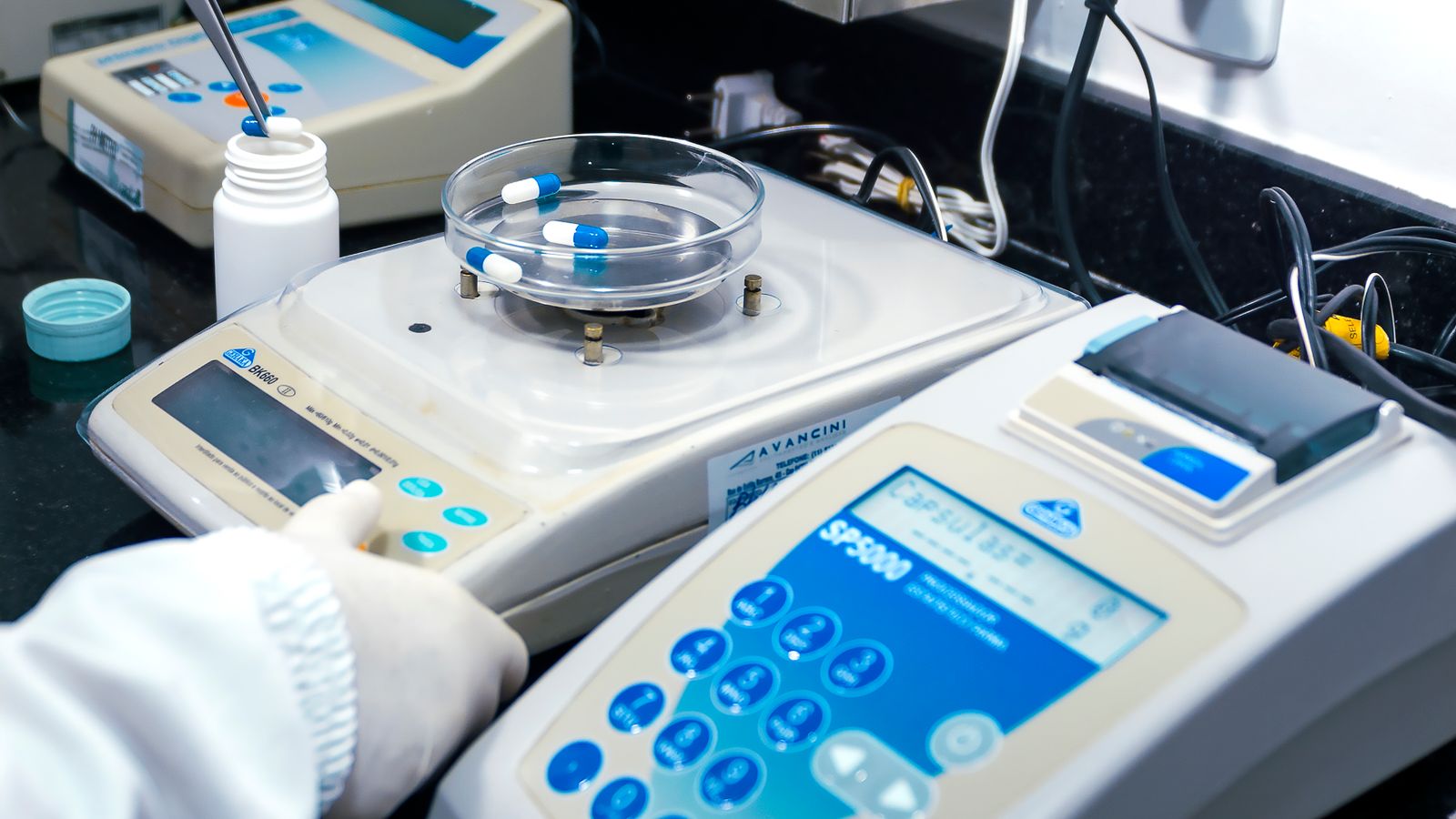
Scientists in protective gear manage medical samples in a lab setting, ensuring safety and precision.
IND Clearance Unlocks Domestic Enrollment
The FDA's IND clearance permits Consano Bio to initiate US-based patient recruitment for C-1101, expanding the trial footprint beyond Australia. The Investigational New Drug application process typically requires preclinical safety data, manufacturing protocols, and clinical trial design documentation. Consano submitted its IND following completion of Australian Phase 2 trials, though the company hasn't disclosed topline efficacy or safety results from those studies.
The US expansion matters for enrollment velocity. Sciatica affects an estimated 40% of Americans at some point in their lives, creating a large addressable patient pool. Domestic sites cut operational friction. They're easier to monitor than international-only trials.
C-1101 Mechanism and Formulation
C-1101 is a proprietary cannabinoid formulation designed for chronic neuropathic pain, with sciatica as the lead indication. The company hasn't disclosed the specific cannabinoid ratio or delivery method, though most neuropathic pain candidates in late-stage development use oral or sublingual routes to achieve sustained plasma levels. Sciatica, caused by lumbar nerve compression, produces shooting leg pain that often resists opioid and NSAID treatment, leaving a gap for non-opioid alternatives.
Cannabinoid receptors CB1 and CB2 modulate pain signaling in the dorsal root ganglion, the anatomical site of sciatica pathology. Preclinical models show dose-dependent analgesia, but human efficacy data remain mixed across trials. The FDA's willingness to issue an IND suggests Consano's preclinical package met safety thresholds.
Australian Phase 2 Data Timeline
Consano completed its Australian Phase 2 program prior to the IND submission, but hasn't released efficacy endpoints or adverse event rates. Australian Therapeutic Goods Administration trials often serve as proof-of-concept studies before US expansion, particularly for cannabinoid drugs facing Schedule I regulatory friction. The company's decision to file the IND before publishing Phase 2 results suggests internal confidence in the dataset, though investors lack visibility into pain reduction scores or discontinuation rates.
The Australian trials likely enrolled 50 to 150 patients, standard for Phase 2 pain studies. Primary endpoints in sciatica trials typically measure change in Numeric Rating Scale pain scores over 8 to 12 weeks.
Regulatory Path and Schedule I Constraints
C-1101 faces Schedule I cannabinoid restrictions unless it qualifies as a synthetic analog or uses DEA-registered cannabis sources. The FDA's IND clearance doesn't override DEA scheduling; Consano must either use cannabis from federally licensed cultivators or demonstrate that its formulation falls outside Schedule I definitions. Most cannabinoid INDs since 2020 have used synthetic cannabinoids or isolated compounds to sidestep sourcing constraints.
The regulatory timeline from IND to New Drug Application typically spans 4 to 7 years for pain indications, assuming Phase 3 success. Consano hasn't disclosed Phase 3 trial design or powering assumptions.
Competitive Landscape in Cannabinoid Pain Trials
At least six cannabinoid pain programs are in Phase 2 or later trials as of mid-2026, targeting neuropathic pain, fibromyalgia, and osteoarthritis. None have reached FDA approval. The most advanced, a CBD-dominant formulation for diabetic neuropathy, reported mixed Phase 2b results in 2025 with a 1.2-point pain reduction versus placebo, below the 2.0-point threshold most payers consider clinically meaningful.
Sciatica presents a narrower indication than general neuropathic pain, which may improve trial design precision but limits peak sales potential. Analysts estimate the US sciatica treatment market at $2.1 billion annually, with most revenue from physical therapy, steroid injections, and surgery rather than pharmaceuticals. For context on cannabinoid pain trial design, see the CannIntel topic hub on cannabinoid pain clinical trials.
Investor and Payer Implications
The IND clearance de-risks Consano's regulatory pathway but doesn't address efficacy uncertainty or reimbursement strategy. Cannabinoid pain drugs face payer skepticism absent head-to-head data against gabapentin or duloxetine, the current standard of care for neuropathic pain. Medicare Part D plans have historically required prior authorization for non-opioid pain drugs priced above $300 per month, a threshold most cannabinoid formulations exceed in early commercial forecasts.
Consano hasn't disclosed financing terms or cash runway. IND-stage biotechs in the pain space typically burn $8 million to $15 million per quarter during Phase 2 enrollment.
Next Milestones
Consano's next disclosure trigger is US site activation and first-patient enrollment, expected within 90 days of IND clearance based on typical timelines. The company hasn't announced whether it'll publish Australian Phase 2 data at a medical conference or in a peer-reviewed journal. Investors will be watching for pain score deltas, discontinuation rates, and any signals on optimal dosing.
The FDA's willingness to clear the IND suggests the safety profile is manageable. Efficacy remains the gating variable. We'll be tracking site activation announcements and any Australian data releases through Q4 2026.
Frequently asked questions
What is an IND clearance?
An Investigational New Drug clearance from the FDA permits a company to begin human clinical trials in the United States. It requires submission of preclinical safety data, manufacturing protocols, and trial design documentation. IND clearance doesn't imply efficacy or guarantee future approval.
What is C-1101?
C-1101 is Consano Bio's proprietary cannabinoid formulation designed to treat chronic sciatica, a neuropathic pain condition caused by lumbar nerve compression. The company hasn't disclosed the specific cannabinoid ratio, delivery method, or mechanism of action beyond general CB1/CB2 receptor modulation.
Why does sciatica matter as a clinical indication?
Sciatica affects an estimated 40% of Americans at some point and often resists standard treatments like opioids and NSAIDs. The condition produces shooting leg pain from lumbar nerve compression, creating demand for non-opioid alternatives. The US sciatica treatment market is estimated at $2.1 billion annually.
Has any cannabinoid pain drug received FDA approval?
No. As of mid-2026, no cannabinoid-based analgesic has received FDA approval for any pain indication. At least six programs are in Phase 2 or later trials, but efficacy results have been mixed, with most failing to reach the 2.0-point pain reduction threshold considered clinically meaningful by payers.
What are the next steps for Consano Bio?
Consano must activate US clinical trial sites and enroll the first patient, typically within 90 days of IND clearance. The company hasn't disclosed whether it'll publish Australian Phase 2 data or announce Phase 3 trial design. Investors are awaiting efficacy signals and dosing guidance from the Australian studies.
Sources
The cannabis newsletter you forward to your team.
Federal policy, market data, grower alerts, and the one story that matters today. Sent every weekday at 7am. Free.
No spam. Unsubscribe with one click. 21+ only.
Related from Medical

Cannabis Shows Promise for Dementia Agitation in New Research
Emerging clinical data positions cannabinoids as a potential non-pharmaceutical intervention for behavioral symptoms in dementia patients.

THC-CBD Combo Reduces Agitation in 90% of Alzheimer's Patients, Study Finds
New clinical data shows cannabinoid therapy calms severe behavioral symptoms in dementia patients where antipsychotics often fail.

Patient Outcomes Data Emerges as Key Battleground for Cannabis Medicine
Regulators and payers increasingly demand real-world effectiveness metrics, not just safety studies, to validate medical cannabis claims.
More from the newsroom
Off-Duty Cannabis Use Sparks Employer Testing Debate in Legal States
Employers face mounting legal and practical questions over testing workers for marijuana consumed outside work hours.

Texas hemp retailers scramble to comply as THC cap takes effect July 31
Central Texas shops face a 10-day deadline to pull or reformulate products exceeding the state's new 0.3% total THC limit.

Nebraska Medical Cannabis Commission Sets Application, Licensing Fees
The commission advanced a fee structure for cultivators, processors, and dispensaries as the state prepares to launch its medical program.