Cannabis Users Face Higher Anesthesia Risks During Surgery, Doctors Warn
Regular cannabis consumption complicates sedation dosing and raises perioperative complication rates, according to new clinical guidance.
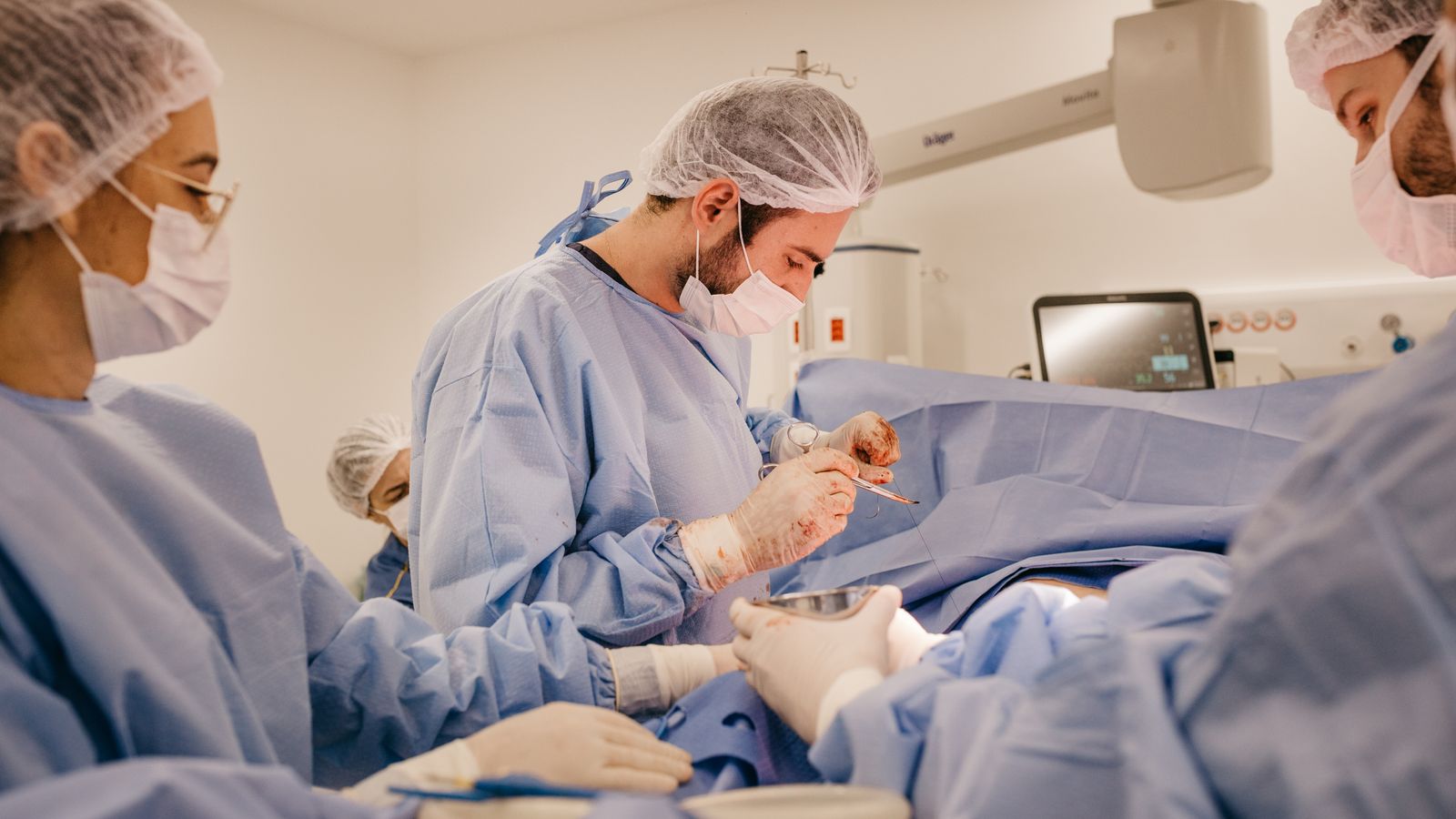
Surgeons and nurses collaborating during a surgical procedure wearing protective gear in a hospital operating room.
Anesthesia Dosing Challenges in Cannabis Patients
Regular cannabis users require 20-30% higher doses of propofol and other sedatives to achieve adequate anesthesia, creating a narrow margin between effective sedation and overdose risk. The phenomenon stems from THC's interaction with CB1 receptors in the central nervous system, which alters the brain's response to GABAergic anesthetics like propofol and benzodiazepines.
Anesthesiologists face a dosing dilemma. Underdosing leads to intraoperative awareness, where patients regain consciousness during surgery. Overdosing risks respiratory depression and cardiovascular collapse. Chronic cannabis use makes both outcomes more likely.
High-potency concentrates and daily use patterns intensify the problem. Patients consuming dabbed concentrates or vaping THC distillates multiple times daily show the most pronounced tolerance effects, according to the guidance.
Perioperative Complication Rates
Cannabis users experience airway complications at rates 50% higher than non-users, driven by chronic bronchial irritation and increased secretions during intubation. Smoking or vaping cannabis inflames airway tissues. That makes intubation more difficult and raises the risk of laryngospasm, a potentially fatal airway closure reflex.
Cardiovascular risks also climb. THC causes tachycardia and blood pressure fluctuations that complicate intraoperative hemodynamic management. When cannabis-induced tachycardia combines with anesthesia-induced vasodilation, the result can trigger myocardial ischemia in patients with underlying cardiac disease.
Postoperative pain control presents another hurdle. Cannabis users report higher pain scores and consume more opioids in recovery, likely due to cross-tolerance between cannabinoid and opioid receptor systems. Some surgical centers now require preoperative cannabis cessation protocols, though compliance remains inconsistent.
Disclosure Gaps and Clinical Protocols
Fewer than 40% of regular cannabis users disclose their consumption during preoperative assessments, creating blind spots for anesthesia teams. Stigma and legal concerns drive underreporting, even in states with legal adult-use markets. Older patients and those using cannabis for non-medical purposes show the lowest disclosure rates.
Surgical centers should adopt non-judgmental screening language and emphasize that disclosure directly affects patient safety, the guidance urges. Anesthesiologists recommend a minimum 72-hour abstinence window before elective procedures. Heavy users need longer cessation periods.
For full background on this issue, see the CannIntel topic hub on Cannabis and Anesthesia Surgery Risks. The hub tracks emerging research on cannabinoid-anesthetic interactions and state-level guidance for surgical centers.
The next variable to watch: whether states with medical cannabis programs will require dispensaries to provide surgical-risk warnings at point of sale, similar to alcohol and tobacco advisories.
Frequently asked questions
How long should I stop using cannabis before surgery?
Anesthesiologists recommend a minimum 72-hour abstinence window before elective surgery, with longer periods for daily or heavy users. This allows THC levels to decline and reduces airway irritation. Emergency procedures proceed regardless, but disclosure helps anesthesia teams adjust dosing protocols.
Why do cannabis users need more anesthesia?
THC alters CB1 receptors in the brain, creating cross-tolerance with anesthetics that target GABA systems. Regular users develop tolerance that requires 20-30% higher doses of propofol and similar agents to achieve adequate sedation. This tolerance persists for weeks after cessation.
What are the biggest risks if I don't disclose cannabis use?
The primary risks are intraoperative awareness (waking during surgery due to underdosing), airway complications during intubation, and cardiovascular instability from THC-anesthetic interactions. Anesthesia teams can't adjust protocols safely without knowing your consumption patterns.
Does it matter how I consume cannabis before surgery?
Yes. Smoking and vaping create more airway irritation and secretions, raising intubation risks. Edibles avoid airway effects but still cause anesthetic tolerance. High-potency concentrates produce the strongest tolerance effects. All consumption methods require disclosure.
Will my doctor report my cannabis use to authorities?
No. Medical information is protected under HIPAA. Preoperative disclosures are confidential and used solely for patient safety. Even in states where cannabis remains illegal, doctors can't and don't report patient admissions to law enforcement.
Sources
The cannabis newsletter you forward to your team.
Federal policy, market data, grower alerts, and the one story that matters today. Sent every weekday at 7am. Free.
No spam. Unsubscribe with one click. 21+ only.
Related from Medical

Survey of 7,913 German Patients Finds Pharmacy Cannabis Preferred
A survey of 7,913 German medicinal cannabis patients, nearly 90% with experience of both channels, points to the illegal market as a major source of stress.

ASA Announces 2026 Cannabis Safety Awards as Rescheduling Looms
Americans for Safe Access named its 2026 Cannabis Safety Awards honorees, tying the recognition to rescheduling-era debates over youth access, impaired driving and product safety.
High Times Reframes Cannabis Pain Debate Around Patient Fit
A High Times Magazine piece published Oct. 21 shifts the chronic pain question from whether cannabis works to which patients it works for.
More from the newsroom
AG Blanche Says DOJ Won't Interfere With State-Legal Cannabis
Attorney General Todd Blanche said the Justice Department isn't seeking to interfere with state-legal marijuana operators, but no written policy or rule change accompanied the reported remarks.

Blanche Says Lucas Charges Aren't Aimed at State Cannabis Laws
The attorney general framed the federal case against Virginia's Senate president pro tem as conduct-based, not a move against state marijuana policy.

DOJ indicts Virginia lawmaker, six others over hemp THC shop
Federal prosecutors charged a Virginia state lawmaker and six others over a hemp THC operation, testing where hemp ends and marijuana begins.