Cannabis Use Disorder Tied to Higher Pain, Wound Risks After Surgery
New research finds CUD patients face elevated post-op complications in body-contouring procedures.
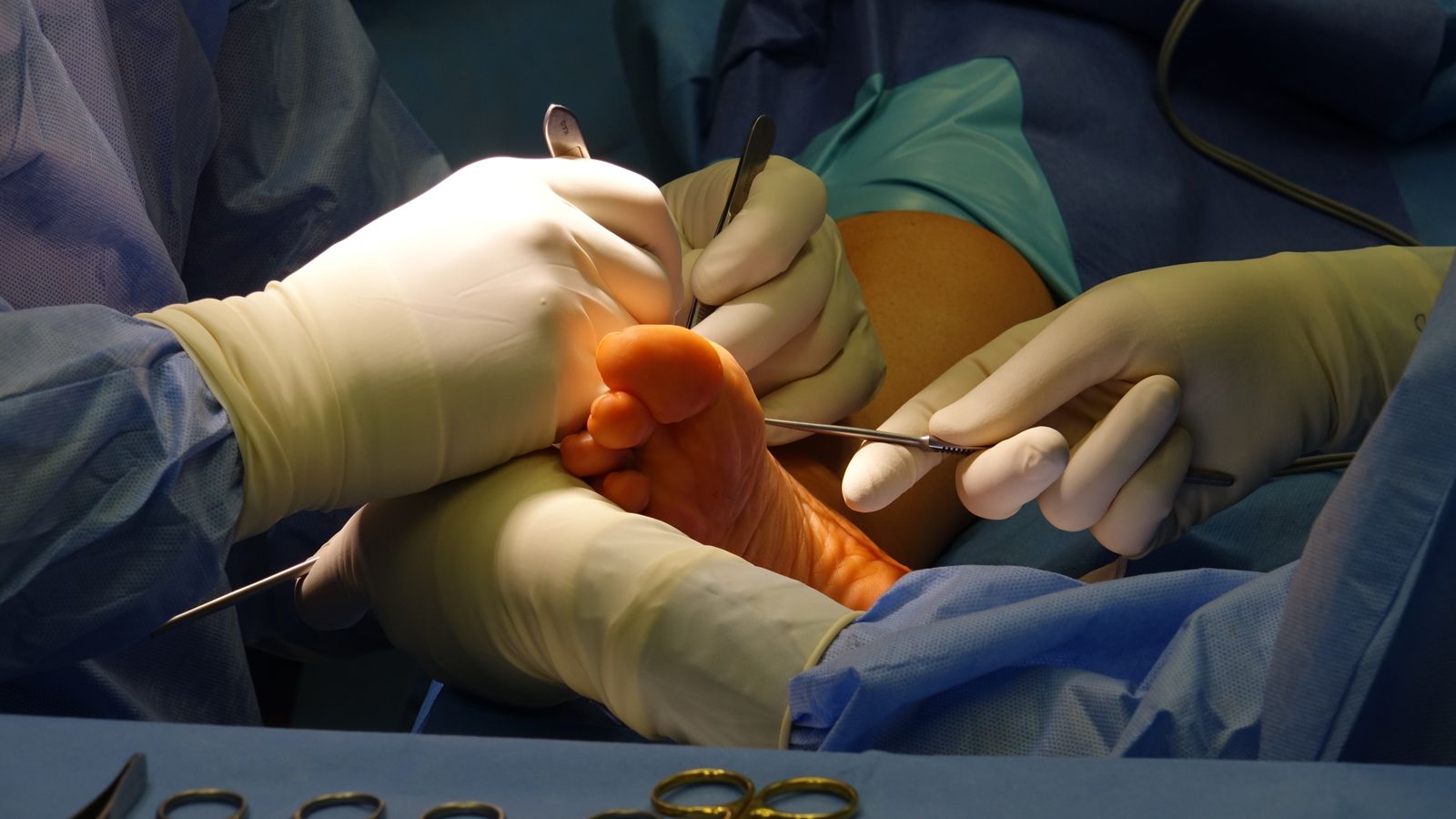
Surgeons performing intricate foot surgery in a sterile operating room environment.
Study Identifies Elevated Complication Rates in CUD Patients
Cannabis use disorder patients showed measurably higher rates of post-surgical pain and wound healing problems after body-contouring procedures. The research examined outcomes in patients who'd undergone abdominoplasty, panniculectomy, and related reconstructive surgeries, comparing complication rates between those with diagnosed CUD and control groups without the disorder.
The findings add to mounting evidence linking chronic heavy cannabis use to surgical risk factors. Body-contouring surgery carries baseline risks of wound dehiscence and infection. The procedures involve extensive tissue removal and repositioning, often after significant weight loss.
Pain Management Complications Drive Clinical Concern
Post-operative pain control emerged as a primary challenge in the CUD patient cohort. Patients with cannabis use disorder required different pain management protocols. They reported higher subjective pain scores in the immediate post-surgical period.
Chronic THC exposure downregulates CB1 and CB2 receptors, potentially altering pain perception and response to both opioid and non-opioid analgesics. Anesthesiologists have long observed that regular cannabis users often require higher doses of anesthesia and post-op pain medication. The mechanism likely involves cannabinoid receptor tolerance.
Wound Healing Deficits Linked to Immune Modulation
CUD patients demonstrated slower wound healing and higher rates of dehiscence and seroma formation. The study documented increased incidence of wound-related complications requiring secondary interventions, including drainage procedures and revision surgeries.
Cannabis compounds exert immunomodulatory effects that may impair the inflammatory phase of wound healing. THC and other cannabinoids suppress cytokine production and leukocyte migration—processes essential for debris clearance and tissue repair in the first 72 hours post-surgery.
Implications for Pre-Surgical Screening and Counseling
The findings suggest plastic surgeons should implement routine CUD screening before elective body-contouring procedures. Many surgical practices already require nicotine cessation six weeks pre-operatively due to similar wound-healing concerns. This research may prompt parallel protocols for cannabis use.
Surgeons may need to consider extended pre-operative abstinence periods for CUD patients or adjust surgical techniques to minimize tension on closure sites.
The American Society of Plastic Surgeons hasn't yet issued formal guidance on cannabis use and elective surgery. Individual practices are beginning to address the issue in informed consent discussions.
Limitations and Need for Prospective Data
The study relied on retrospective chart review and ICD-coded diagnoses of cannabis use disorder, which may undercount actual prevalence. Self-reported cannabis use is notoriously unreliable in medical settings, particularly in states where use remains illegal or stigmatized. The research didn't differentiate between combustion, vaporization, and edible consumption methods, which may have distinct pharmacokinetic effects on healing.
Prospective studies with standardized pre-operative cannabinoid testing and controlled post-op monitoring would strengthen the evidence base. These findings are observational. They can't establish causation, only association.
What Surgeons and Patients Should Watch
Plastic surgery societies will likely release updated guidance on cannabis screening within the next 12 months as more outcome data accumulates. Patients considering body-contouring surgery should disclose cannabis use frequency and recency to their surgical team. For full background on cannabis use disorder and associated health risks, see the CannIntel topic hub on Cannabis Use Disorder Health Risks.
CUD represents a modifiable surgical risk factor. It warrants the same pre-operative counseling and management as tobacco use.
Frequently asked questions
What is cannabis use disorder?
Cannabis use disorder (CUD) is a clinical diagnosis defined by problematic cannabis use causing significant impairment or distress. Criteria include tolerance, withdrawal symptoms, inability to cut down, and continued use despite negative consequences. CUD affects an estimated 9% of people who use cannabis and 17% of those who start in adolescence.
Why does cannabis use affect surgical wound healing?
Cannabis compounds like THC modulate immune function by suppressing cytokine release and white blood cell activity. This immunosuppression can slow the inflammatory phase of wound healing, which is critical in the first 72 hours after surgery. Chronic use also causes receptor downregulation, altering pain signaling and potentially increasing infection risk.
Should patients stop using cannabis before elective surgery?
Many surgeons now recommend a minimum two-week cessation period before elective procedures, though optimal abstinence duration isn't yet established by clinical guidelines. Patients should disclose all cannabis use to their surgical team, as it affects anesthesia dosing, pain management, and wound healing. Some practices are adopting six-week pre-op abstinence protocols similar to nicotine.
Does the method of cannabis consumption matter for surgical risk?
The current study didn't differentiate between smoking, vaping, and edibles, but combustion methods add respiratory risks that may complicate anesthesia. Edibles produce longer-lasting blood THC levels, which could extend immunomodulatory effects. More research is needed to determine whether consumption method independently affects surgical outcomes beyond the pharmacological effects of cannabinoids.
Sources
The cannabis newsletter you forward to your team.
Federal policy, market data, grower alerts, and the one story that matters today. Sent every weekday at 7am. Free.
No spam. Unsubscribe with one click. 21+ only.
Related from Medical

Medical Cannabis Laws Linked to Modest Drop in Opioid Prescribing for Veterans
New research finds state medical cannabis programs correlate with reduced opioid prescriptions among VA patients with chronic pain.

Cannabis Users Twice as Likely to Commit Violence, Meta-Analysis Finds
A systematic review published September 30 links cannabis use to doubled odds of violent behavior across 23 studies.
Frequent Cannabis Use Linked to More Severe Epilepsy Outcomes
New research challenges therapeutic narrative, finding higher seizure frequency among daily users.
More from the newsroom

California Governor Signs AB 2532 Adding Poison Help Line to Cannabis Edibles
Newsom approves mandatory poison-control labeling for THC edibles and beverages starting 2027.

New York's Cannabis Reinvestment Fund Faces $50M Structural Gap
The Community Reinvestment and Repair Fund collects millions but distributes little, creating a mismatch between policy intent and operational reality.

Georgia Approves USPS Medical Marijuana Delivery Rule Amid Federal Silence
State regulators finalized delivery regulations permitting USPS shipment, but the federal postal service has not confirmed participation.