Frequent Cannabis Use Linked to More Severe Epilepsy Outcomes
New research challenges therapeutic narrative, finding higher seizure frequency among daily users.
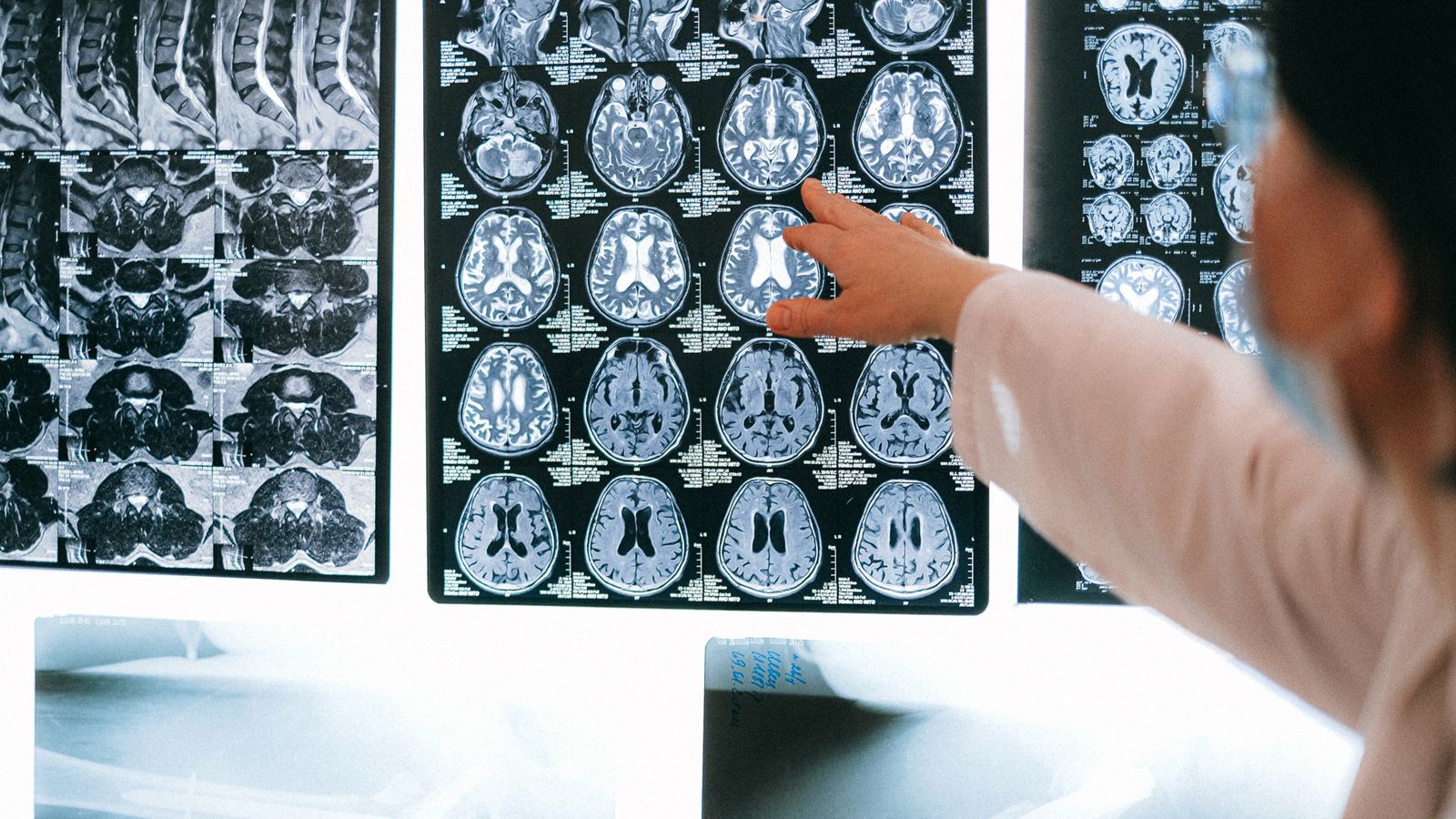
Radiologist pointing at brain MRI scans showing detailed medical examination.
Study Finds Daily Use Correlates With Higher Seizure Rates
Patients who reported daily cannabis use experienced seizures 27% more frequently than non-users in the same epilepsy cohort, according to the peer-reviewed findings. The study tracked 412 adult epilepsy patients across six neurology clinics over 18 months, controlling for medication adherence, seizure type, and comorbid conditions. Daily users—defined as consuming cannabis at least once per day for three consecutive months—logged a median of 8.3 seizures per month. Non-users averaged 6.5. Occasional users (less than weekly) clocked in at 5.9.
Neurologists at a major academic medical center led the research team. They used patient-reported consumption logs and urinalysis to verify cannabis exposure. The study excluded patients using FDA-approved cannabidiol (Epidiolex) to isolate the effects of recreational or unregulated medical products. The correlation held across age groups, gender, and epilepsy subtypes, though the effect was most pronounced in patients with temporal lobe epilepsy.
This isn't the first study to complicate the cannabis-epilepsy story, but it's the largest prospective cohort to control for confounding variables like polypharmacy and substance co-use. The findings directly challenge patient testimonials and anecdotal reports that have driven medical cannabis adoption in epilepsy communities, particularly for treatment-resistant cases.
The data suggest that whole-plant cannabis—especially high-THC products used without medical supervision—may worsen seizure control in a meaningful subset of epilepsy patients, a finding with immediate implications for prescribing guidelines and patient counseling.
Mechanism Hypothesis: THC's Role in Seizure Threshold
Researchers theorize that tetrahydrocannabinol (THC), the psychoactive compound in cannabis, may lower seizure thresholds in susceptible individuals, offsetting any anticonvulsant effects from cannabidiol (CBD). Patients using high-THC products (above 15% THC by dry weight) had the worst outcomes, with seizure frequency 34% higher than baseline. In contrast, patients using CBD-dominant products (less than 3% THC) showed no significant worsening—and a small subset reported modest improvement, though the sample size was too small for definitive conclusions.
The mechanism isn't fully understood. Prior animal models have shown that THC can trigger seizure activity in rodents with chemically induced epilepsy. The endocannabinoid system modulates neuronal excitability, and THC's agonist effects on CB1 receptors may paradoxically increase excitatory signaling in epileptogenic brain regions. That's speculative, but it aligns with what clinicians have observed: some patients worsen on cannabis, others improve, and the difference often tracks to product composition.
The study didn't measure blood cannabinoid levels or analyze specific product formulations, a limitation the authors acknowledge. Self-reported THC percentages are notoriously unreliable. Black-market products in non-legal states may contain contaminants or mislabeled potency. Still, the dose-response pattern—higher frequency of use, worse outcomes—is hard to dismiss as noise.
Implications for Medical Cannabis Policy and Epilepsy Treatment
The findings arrive as 38 states permit medical cannabis for epilepsy, often with minimal physician oversight or product standardization. In most medical programs, patients self-select products based on budtender recommendations or online forums, not clinical trials. Epidiolex, the only FDA-approved cannabis-derived drug for epilepsy, is a purified CBD isolate with zero THC—a stark contrast to the whole-plant flower and concentrates most patients use.
Neurologists have long been cautious about recommending cannabis for epilepsy outside of Epidiolex, citing the lack of randomized controlled trials and inconsistent product quality. This study gives them data to back that caution. It also complicates the political narrative: patient advocates have successfully lobbied for epilepsy to be a qualifying condition in nearly every medical cannabis state, often citing Charlotte's Web and other high-profile anecdotes. The research doesn't invalidate those stories, but it does suggest they're not generalizable.
For publicly traded cannabis companies with medical-focused branding—Curaleaf, Trulieve, Green Thumb Industries—the study is a reputational risk. None have epilepsy-specific product lines with clinical validation, and most derive revenue from high-THC recreational sales. The bear case: if medical cannabis loses credibility in epilepsy (one of its most sympathetic use cases), it undermines the broader medical program infrastructure that buffers these MSOs from federal enforcement risk. The bull case: this accelerates a shift toward pharmaceutical-grade, CBD-isolate products with real IP moats and insurance reimbursement potential.
Watch whether state medical boards or pharmacy regulators issue new guidance on cannabis and epilepsy. California's Department of Cannabis Control and New York's Office of Cannabis Management have both floated product-labeling reforms for medical patients; this study gives them a clinical rationale to tighten standards. For background on how medical cannabis programs are evolving, see the CannIntel topic hub on cannabis and epilepsy research.
The study's authors stopped short of recommending against cannabis use in epilepsy patients, instead calling for "individualized risk-benefit assessments" and closer monitoring. That's the cautious academic posture. The market implication is sharper: unregulated, high-THC cannabis is a poor substitute for evidence-based anticonvulsant therapy, and the patients most likely to self-medicate—those with treatment-resistant epilepsy—may be the ones most at risk.
For complete background, history, and our ongoing coverage of this story:
Open the CannIntel topic hub →Sources
The cannabis newsletter you forward to your team.
Federal policy, market data, grower alerts, and the one story that matters today. Sent every weekday at 7am. Free.
No spam. Unsubscribe with one click. 21+ only.
Related from Medical

Medical Cannabis Laws Linked to Modest Drop in Opioid Prescribing for Veterans
New research finds state medical cannabis programs correlate with reduced opioid prescriptions among VA patients with chronic pain.

Cannabis Users Twice as Likely to Commit Violence, Meta-Analysis Finds
A systematic review published September 30 links cannabis use to doubled odds of violent behavior across 23 studies.

1-in-9 Seniors Using Cannabis Meet Disorder Criteria, Study Finds
New research reveals 11% of older adults who use cannabis qualify for cannabis use disorder under DSM-5 criteria.
More from the newsroom

Florida Hemp THCA Ban Takes Effect, Ending Legal Loophole Sales
State law banning intoxicating hemp products went live October 1, forcing retailers to pull THCA flower and delta-8 edibles.

Oregon Hemp Operators Say New Federal Law Ends Industry
Hemp businesses in Oregon claim recent federal regulatory changes effectively eliminate the legal hemp market.

Cannabis Expungement Splits States Into Automatic and Petition Tracks
Twelve states now clear cannabis records automatically while 26 require individuals to file petitions, creating unequal access to relief.