Cannabis Hyperemesis Syndrome Gains Clinical Attention Amid Rising Cases
Emergency departments report uptick in cyclic vomiting disorder linked to chronic cannabis use as legalization expands.
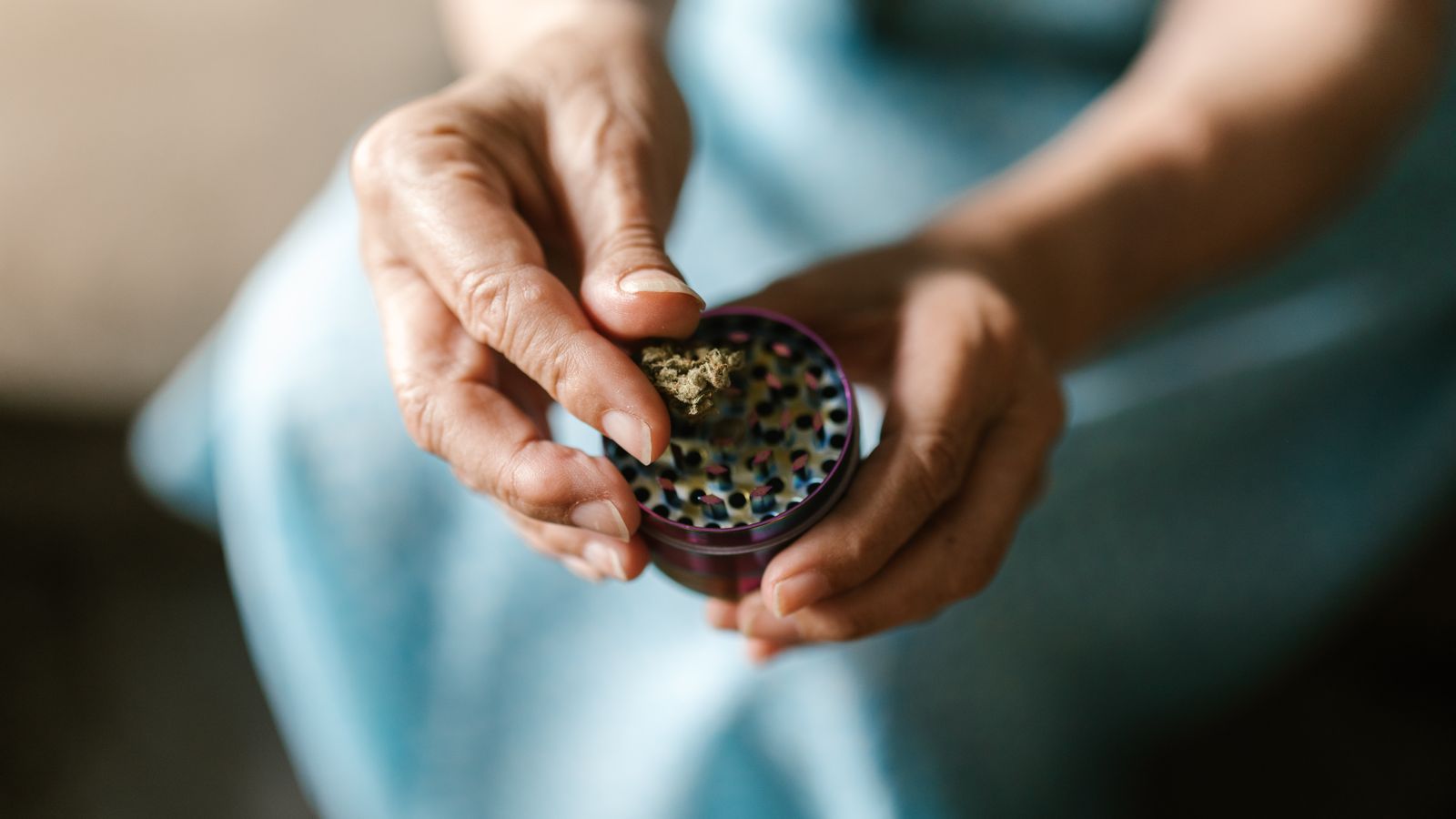
A close-up image showing hands using a weed grinder with cannabis.
Emergency Department Presentations Rise
Emergency departments across legal cannabis states are reporting more frequent presentations of Cannabis Hyperemesis Syndrome, particularly among daily users with five or more years of consumption history. The syndrome typically unfolds in three phases: a prodromal period with morning nausea, a hyperemetic phase with intractable vomiting, and a recovery phase following cannabis cessation.
Clinicians note the disorder's distinctive behavioral marker. Patients seek relief through prolonged hot showers or baths, often spending hours in scalding water. This compulsive bathing behavior, combined with chronic cannabis use history, forms the diagnostic triad that separates CHS from cyclic vomiting syndrome or cannabinoid-induced antiemetic paradox.
Pathophysiology Remains Contested
The mechanism by which chronic cannabinoid exposure triggers hyperemesis isn't fully understood, though hypotheses center on CB1 receptor desensitization in the hypothalamus and disrupted thermoregulation. Current research suggests prolonged THC exposure may paradoxically reverse the antiemetic effects of cannabinoids, particularly in the area postrema and nucleus tractus solitarius—brainstem regions that govern nausea and vomiting.
The hot-water compulsion likely reflects dysregulated TRPV1 receptors, which mediate both cannabinoid signaling and heat sensation. Capsaicin cream applied to the abdomen has shown some efficacy in case reports, supporting this receptor-overlap theory.
Prevalence Estimates Vary Widely
Published prevalence estimates range from 0.1% to 6% of regular cannabis users, with the wide variance reflecting inconsistent diagnostic criteria and underreporting. A 2023 Colorado study found CHS accounted for 18% of cyclic vomiting presentations in the emergency department. That's a sixfold increase from pre-legalization baselines.
Key risk factors include:
- Daily or near-daily use for three or more years
- High-potency concentrates or vaporized products
- Male sex (2:1 male-to-female ratio in most cohorts)
- Age under 50 at symptom onset
Diagnostic Challenges Persist
Misdiagnosis remains common, with patients often undergoing extensive gastrointestinal workups—including endoscopy, CT imaging, and empiric proton-pump inhibitor trials—before CHS is considered. The average time from symptom onset to correct diagnosis spans 16 months in retrospective case series, during which patients frequently present to emergency departments multiple times.
Here's the problem: the Rome IV criteria for cyclic vomiting syndrome don't include cannabis use as an exclusion criterion, complicating differential diagnosis. Some institutions now incorporate standardized CHS screening questions into triage protocols for recurrent vomiting presentations.
Treatment Protocols Evolve
Cannabis cessation is the only definitive treatment, with symptom resolution typically occurring within days to weeks of complete abstinence. Supportive care during acute episodes includes intravenous hydration, antiemetics (though traditional agents like ondansetron show limited efficacy), and benzodiazepines for anxiety.
Haloperidol and topical capsaicin have emerged as first-line symptomatic treatments in some emergency departments, based on small case series showing faster symptom resolution compared to standard antiemetic regimens. Propranolol has shown promise in case reports, possibly by modulating autonomic dysregulation.
Public Health Implications
The syndrome's rising profile has prompted calls for patient education in dispensaries and inclusion of CHS warnings in cannabis product labeling. For context on the broader regulatory landscape, see the CannIntel topic hub on Cannabis Hyperemesis Syndrome.
Colorado's Marijuana Enforcement Division considered adding CHS to mandatory point-of-sale health warnings in 2025, though the proposal stalled over industry concerns about stigmatizing daily users. No state currently mandates CHS disclosure on product packaging.
Research Gaps Remain
Prospective longitudinal studies tracking CHS incidence in legal markets are scarce, and no validated biomarkers exist for early identification of at-risk users. The National Institute on Drug Abuse has funded three ongoing cohort studies examining genetic polymorphisms in cannabinoid metabolism and CHS susceptibility.
Clinicians emphasize the need for patient registries to clarify true prevalence, identify dose-response thresholds, and assess whether product type—flower versus concentrate—modulates risk. The absence of standardized diagnostic criteria across studies hampers meta-analysis and guideline development.
Frequently asked questions
What is Cannabis Hyperemesis Syndrome?
Cannabis Hyperemesis Syndrome is a cyclic vomiting disorder affecting chronic cannabis users, characterized by severe nausea, abdominal pain, and compulsive hot-water bathing. Symptoms resolve with cannabis cessation. The condition typically develops after three or more years of daily use.
How common is CHS among cannabis users?
Prevalence estimates range from 0.1% to 6% of regular users, with wide variance due to inconsistent diagnostic criteria. A 2023 Colorado study found CHS accounted for 18% of emergency department cyclic vomiting cases, a sixfold increase from pre-legalization rates.
Why do CHS patients take hot showers?
The compulsive hot-water bathing likely reflects dysregulated TRPV1 receptors, which mediate both cannabinoid signaling and heat sensation. Patients report temporary symptom relief from scalding water, often spending hours in showers or baths during acute episodes.
Can you treat CHS without quitting cannabis?
No definitive treatment exists besides complete cannabis cessation. Haloperidol, topical capsaicin, and benzodiazepines provide symptomatic relief during acute episodes, but symptoms recur with continued use. Most patients achieve resolution within days to weeks of abstinence.
Do cannabis product labels warn about CHS?
No state currently mandates CHS warnings on cannabis packaging. Colorado considered adding the syndrome to point-of-sale health disclosures in 2025 but didn't implement the requirement. Patient education remains inconsistent across dispensaries.
Sources
The cannabis newsletter you forward to your team.
Federal policy, market data, grower alerts, and the one story that matters today. Sent every weekday at 7am. Free.
No spam. Unsubscribe with one click. 21+ only.
Related from Medical

Minnesota Study Shows Medical Cannabis Improves Pain Patient Life Quality
State officials document significant gains in daily enjoyment among chronic pain patients enrolled in the medical program.

CBD Shows Promise for Acne Treatment in New Scientific Review
Hemp-derived cannabidiol reduces inflammation and redness in acne patients, according to a comprehensive scientific analysis published June 2026.

Study Links Regular Cannabis Use to Slower Brain Aging in Adults Over 45
New research suggests moderate cannabis consumption may protect cognitive function in middle-aged and older adults.
More from the newsroom

Virginia's $250 Public Marijuana Fine Draws Advocate Pushback
Reform groups challenge civil penalty structure as disproportionate to decriminalization intent under Va. Code § 4.1-600.

Marijuana Moment Petitions DEA Judge to Livestream Rescheduling Hearing
The news outlet filed a motion seeking public broadcast access to the administrative hearing on cannabis's Schedule III placement.

Nebraska cultivator cleared to plant first legal medical marijuana crop
State regulators issued the first cultivation license, marking the operational launch of Nebraska's voter-approved medical cannabis program.