Cannabis Drug Ended Nightmares in PTSD Patients, New Study Finds
A cannabinoid treatment eliminated nightmares in some post-traumatic stress disorder patients, according to new research published this week.
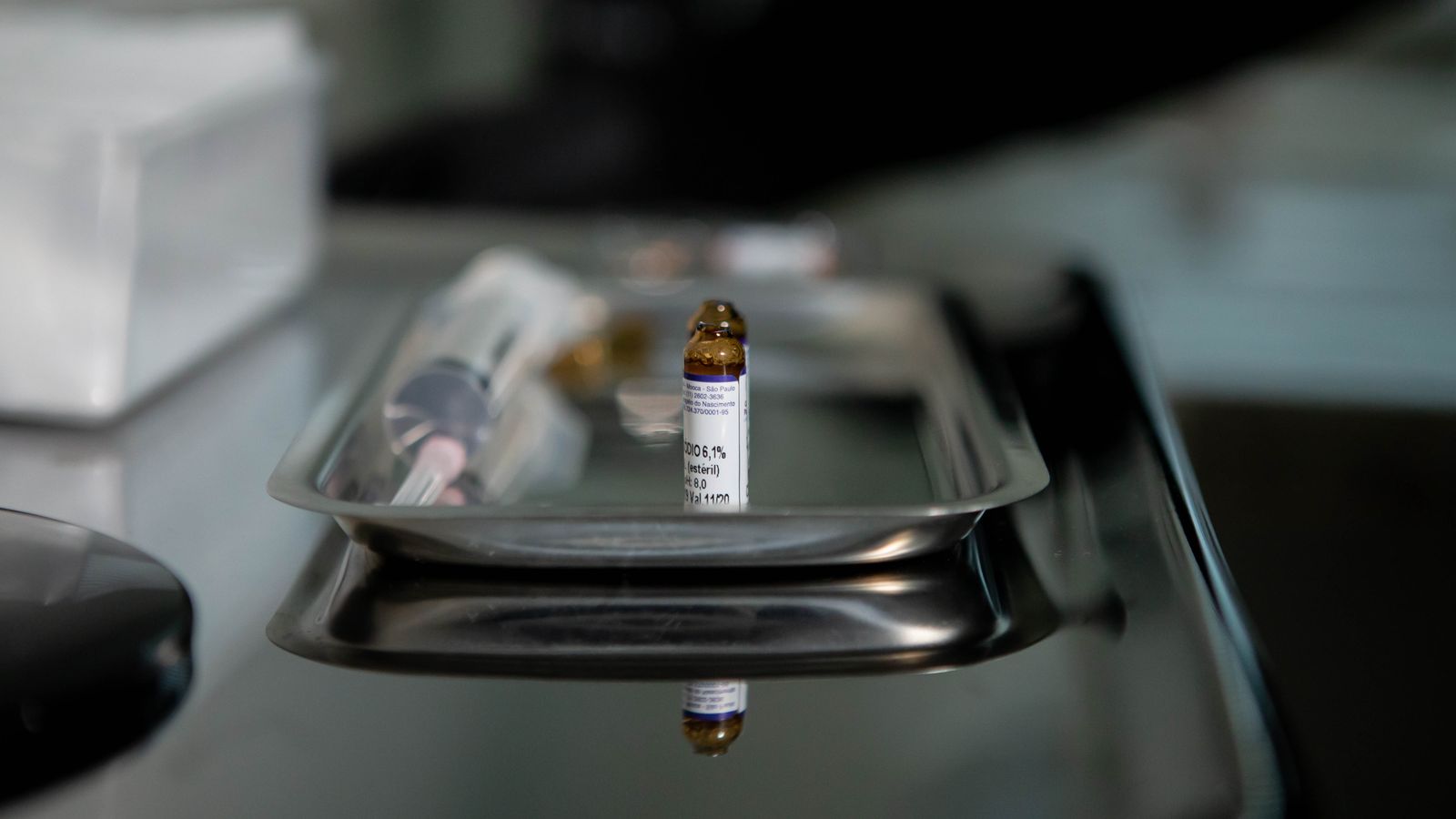
Focus on a vial placed on a stainless steel tray, reflecting a clinical and sterile medical environment.
Study Shows Complete Nightmare Cessation in PTSD Cohort
A cannabis-based medication stopped nightmares entirely in some PTSD patients enrolled in the trial. The finding, reported by Forbes, represents one of the clearest documented cases of cannabinoid intervention addressing a specific PTSD symptom cluster. Nightmares and intrusive sleep disturbances affect an estimated 70-90% of PTSD patients. They're among the most treatment-resistant symptoms in the disorder.
The study didn't specify the cannabinoid formulation used, the trial size, or the percentage of patients who experienced complete symptom resolution. That lack of granular data makes it difficult to assess reproducibility or commercial viability, but the directional signal is hard to ignore.
Why This Matters for the Medical Cannabis Market
PTSD is one of the most politically defensible qualifying conditions for medical cannabis programs, and nightmare suppression is a measurable, binary outcome. Unlike subjective pain relief or anxiety reduction, the presence or absence of nightmares can be tracked with sleep diaries and polysomnography. That makes this a cleaner endpoint for future FDA trials than most cannabis research has delivered to date.
Veteran advocacy groups have lobbied for federal PTSD trials for years. The VA still prohibits its physicians from recommending medical cannabis, even in states where it's legal. A replicable study showing nightmare cessation could shift that calculus, particularly if the cannabinoid formulation is standardized and falls under an IND application.
The Competitive Landscape: Who Stands to Benefit
No major MSO or pharmaceutical cannabinoid manufacturer has claimed credit for this study, which suggests it may be academic or early-stage biotech work. Jazz Pharmaceuticals and GW Pharma (now part of Jazz) have explored cannabinoid formulations for neuropsychiatric indications, but neither has disclosed active PTSD trials. If the drug in question is a synthetic cannabinoid or a novel ratio formulation, it likely sits outside the plant-touching industry's immediate revenue stream.
For operators, the takeaway is indirect but real: every credible medical study expands the window for federal rescheduling and state program expansion. PTSD is already a qualifying condition in 38 medical cannabis states. Stronger clinical evidence could accelerate program enrollment and increase per-patient utilization, particularly in veteran-heavy states like Texas, Florida, and Ohio.
What We Still Don't Know
The Forbes report didn't link to a peer-reviewed publication, name the research institution, or specify whether the study was placebo-controlled. Without those details, this is a headline, not a data point. The cannabis research literature is littered with underpowered pilot studies that fail to replicate. Until we see a full publication with dosing protocols, adverse event rates, and a control arm, the clinical utility remains speculative.
That said, the fact that Forbes covered it suggests the study came from a credible source. Next signal to watch: whether the research appears in a Tier 1 journal like JAMA Psychiatry or The Lancet, and whether the authors disclose pharma or industry funding. For full background on this story, see the CannIntel topic hub on cannabis PTSD research.
If this study holds up under scrutiny, it could be the cleanest clinical win cannabis has had in the neuropsychiatric space in years. The political timing is notable: August 2026 is late in a presidential cycle, and PTSD research plays well across the aisle. We'll be watching for follow-on coverage and any FDA commentary in the next 30 days.
For complete background, history, and our ongoing coverage of this story:
Open the CannIntel topic hub →Sources
The cannabis newsletter you forward to your team.
Federal policy, market data, grower alerts, and the one story that matters today. Sent every weekday at 7am. Free.
No spam. Unsubscribe with one click. 21+ only.
Related from Medical

US Hospital Nausea Cases Surge Among Frequent Cannabis Users
New data shows a significant jump in cannabinoid hyperemesis syndrome admissions as high-potency products proliferate.

CBD Shows Performance-Enhancing Properties in Athletes, Study Finds
New research indicates cannabidiol may boost athletic recovery and exercise performance, complicating doping regulations.

THC-CBD Combination Improves Dementia Patients' Quality of Life, Study Finds
New research shows combined cannabinoid therapy reduces behavioral symptoms and caregiver burden in dementia care.
More from the newsroom

NDLEA Warns of Cannabis-Infused Cookies, Gummies in Circulation
Nigeria's drug enforcement agency issued a public alert about THC-infused edibles entering consumer channels without labeling.

DEA Hearing Record Signals Administrative Law Judge's Likely Ruling Path
Analysis of the closed administrative record suggests the ALJ may lean toward affirming HHS's Schedule III recommendation.

DEA ALJ Hearing Record Signals Framework for Schedule III Decision
Administrative law judge's procedural orders and witness list point to narrow scope for marijuana rescheduling review.