Virginia Judge Declines to Block Hemp THC Restrictions; Industry Pushes for Special Session
A Richmond judge refused to halt Virginia's new hemp THC product limits, prompting industry groups to lobby for emergency legislative intervention.
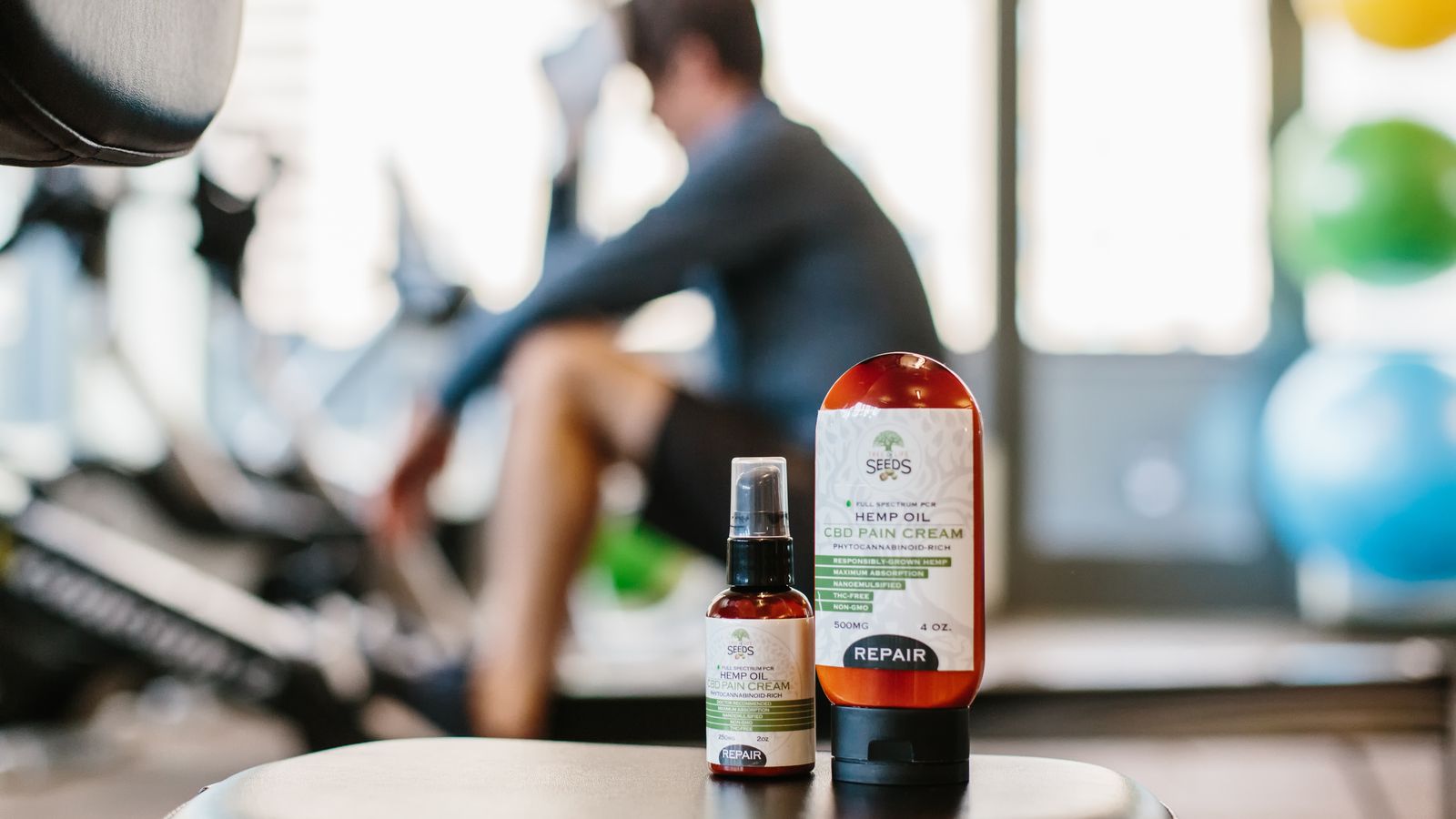
Close-up of hemp oil products in a gym focus on wellness and recovery.
Court Denies Emergency Relief for Hemp Retailers
A Richmond Circuit Court judge on August 16 denied a motion for preliminary injunction that would have suspended Virginia's new hemp THC product restrictions pending full litigation. The decision leaves in place regulations that cap delta-8 THC and other intoxicating hemp cannabinoids at 0.3% by weight in finished products—the same threshold applied to delta-9 THC under federal law.
The lawsuit, filed by the Virginia Hemp Coalition and several retail operators, argued the restrictions violate due process and constitute an unconstitutional taking of property. Court filings show the judge found plaintiffs failed to demonstrate irreparable harm sufficient to warrant emergency relief before trial.
The regulations took effect August 1. Retailers got a 30-day grace period. Enforcement starts September 1.
Industry Groups Mobilize for Legislative Override
Within hours of the ruling, the Virginia Hemp Coalition announced a coordinated lobbying effort to secure a special session of the General Assembly before the September 1 enforcement deadline. The group's asking Governor Glenn Youngkin and legislative leaders to convene an emergency session to either repeal or substantially revise the restrictions.
Coalition director Jason Amatucci said in a statement the organization has secured commitments from "a significant number" of delegates and senators to support emergency legislation. He wouldn't specify the count but said bipartisan support exists in both chambers.
Virginia's constitution allows the governor to call a special session, or two-thirds of each chamber can petition for one. The last special session convened in 2020 during the pandemic.
Financial Stakes for Operators and State Revenue
Industry estimates place Virginia's hemp-derived THC market at $150 million in annual sales, supporting approximately 1,200 retail jobs across 400 licensed locations. The new restrictions effectively prohibit the sale of most delta-8 THC vape cartridges, gummies, and beverages currently on shelves.
- Retailers report inventory losses ranging from $20,000 to $200,000 per location
- Manufacturers face writedowns on products that can no longer be sold in-state
- The state collected $4.2 million in hemp excise taxes in fiscal year 2025
Several national hemp brands have already announced they'll cease distribution to Virginia if the restrictions stand.
Regulatory Background and Federal Preemption Question
Virginia's Cannabis Control Authority issued the emergency regulations in June under authority granted by HB 1575, which passed the 2026 General Assembly session. The bill directed the CCA to establish THC limits for hemp products sold outside the state's regulated adult-use cannabis market, which remains under development.
Plaintiffs argue the restrictions conflict with the 2018 Farm Bill's definition of legal hemp as cannabis containing no more than 0.3% delta-9 THC by dry weight—the federal statute doesn't address other cannabinoids. The CCA maintains states retain authority to impose stricter standards than federal minimums.
The lawsuit remains active. A trial date hasn't been set.
Political Landscape and Governor's Position
Governor Youngkin hasn't publicly indicated whether he'd support a special session on hemp regulation. His office didn't respond to requests for comment by press time.
Youngkin signed HB 1575 in March with a statement emphasizing the need to "protect minors from unregulated intoxicating products." The bill passed with broad support: 72-27 in the House and 28-12 in the Senate.
Still, several lawmakers who voted for the bill have since expressed concern about the CCA's implementation. Delegate David Bulova, who chairs the General Laws Committee, told a local news outlet the regulations "may have overshot the intent" of the legislation.
Comparison to Other State Approaches
Virginia's 0.3% total THC cap is among the strictest in states that have moved to regulate hemp-derived intoxicants. Other approaches include:
- North Carolina: 0.3% delta-9 THC but no cap on delta-8 or other isomers
- Ohio: 10mg THC per serving for edibles; no total cap on concentrates
- Colorado: Hemp-derived THC products must meet the same testing and labeling standards as cannabis but can be sold outside dispensaries
- Oregon: All intoxicating hemp products banned; only non-intoxicating CBD allowed
At least 18 states have enacted some form of delta-8 THC restriction since 2021, according to the National Conference of State Legislatures.
Enforcement Timeline and Compliance Challenges
The CCA has stated it'll begin compliance inspections September 1, with penalties including fines up to $10,000 per violation and license suspension. Retailers selling non-compliant products after that date face potential criminal misdemeanor charges under Virginia Code § 3.2-4112.
Industry representatives report widespread confusion about testing protocols. The regulations require third-party lab certification of total THC content, but Virginia hasn't published a list of approved testing facilities. Several labs have told clients they can't guarantee turnaround times under 14 days.
The CCA published a compliance FAQ on August 10 but hasn't extended the enforcement deadline.
What Happens Next
The hemp coalition plans to deliver a formal petition for a special session to the governor's office by August 20. If Youngkin declines, advocates say they'll pursue the two-thirds legislative route, though that process typically requires several weeks to organize.
Absent legislative intervention, the case will proceed through the courts. Legal observers note preliminary injunction denials don't predict trial outcomes, but they do signal judges' initial assessment of the merits.
We'll be watching three indicators: whether Youngkin responds to the special session request by August 25, whether any retailers face enforcement actions in the first week of September, and whether national hemp brands follow through on their exit threats.
For complete background, history, and our ongoing coverage of this story:
Open the CannIntel topic hub →Frequently asked questions
What did the Virginia judge rule on hemp THC restrictions?
A Richmond Circuit Court judge on August 16 denied a preliminary injunction that would have blocked Virginia's new 0.3% total THC cap on hemp products. The ruling allows the restrictions to remain in effect while the underlying lawsuit proceeds. Enforcement begins September 1, 2026.
What products are affected by Virginia's hemp THC restrictions?
The regulations cap all intoxicating hemp cannabinoids—including delta-8 THC, delta-10 THC, THC-O, and THCP—at 0.3% by weight in finished products. Most delta-8 vape cartridges, gummies, and beverages currently sold in Virginia exceed this limit and will be prohibited after September 1.
Can Virginia's General Assembly override the hemp restrictions?
Yes. The General Assembly could convene a special session to repeal or amend HB 1575, the statute authorizing the restrictions. This requires either a gubernatorial call or a two-thirds petition from both chambers. Hemp industry groups are lobbying for emergency legislative action before the September 1 enforcement deadline.
How does Virginia's hemp THC cap compare to other states?
Virginia's 0.3% total THC cap is among the strictest. North Carolina allows unlimited delta-8 with only delta-9 capped at 0.3%. Ohio permits 10mg THC per edible serving with no concentrate cap. Colorado requires cannabis-level testing but allows broader sales. Oregon bans all intoxicating hemp products.
What penalties do Virginia hemp retailers face for non-compliance?
Starting September 1, retailers selling non-compliant hemp THC products face fines up to $10,000 per violation, license suspension, and potential misdemeanor criminal charges under Virginia Code § 3.2-4112. The Cannabis Control Authority will conduct compliance inspections beginning that date.
Sources
The cannabis newsletter you forward to your team.
Federal policy, market data, grower alerts, and the one story that matters today. Sent every weekday at 7am. Free.
No spam. Unsubscribe with one click. 21+ only.
Related from Laws
Wisconsin Democrat Sets Marijuana Legalization as Funding Plan
A Democratic candidate for Wisconsin governor said the state should legalize marijuana to pay for education and healthcare expansion, but legislative math still blocks the path.
Op-Ed: Marijuana Rescheduling Delayed, Not Derailed, Says Marijuana Moment
A Marijuana Moment op-ed argues the Schedule III effort has slowed but survives, a framing with direct 280E and compliance stakes for operators.
Forbes Says 2026 Marijuana Ballot Debate Has Changed; Hemp Is Why
A Forbes story on the 2026 ballot says the marijuana debate has shifted. The hemp-THC definition fight is one place that shift is already measurable.
More from the newsroom

Study Finds No Cognitive Gap in Epilepsy Patients Using Marijuana
A report published Oct. 12 found no significant cognitive differences between epilepsy patients with and without recent marijuana use, but the full methodology isn't yet verified.

Still River Wellness Workers Ratify 4-Year UFCW Contract
Torrington dispensary employees locked in a four-year deal with UFCW Local 371, giving Connecticut operators a rare long-dated labor cost marker.
Victoria Cannabis Psychosis Hospitalizations Rise, Report Says
Medical Xpress reported rising cannabis-related psychosis hospitalizations in Victoria, but the case counts are missing. Potency, coding and demand are the variables that matter.