Virginia Impaired-Driving PSA Highlights Marijuana's Relaxation Effects
A state public-safety campaign describes cannabis as enhancing relaxation, raising questions about messaging consistency.
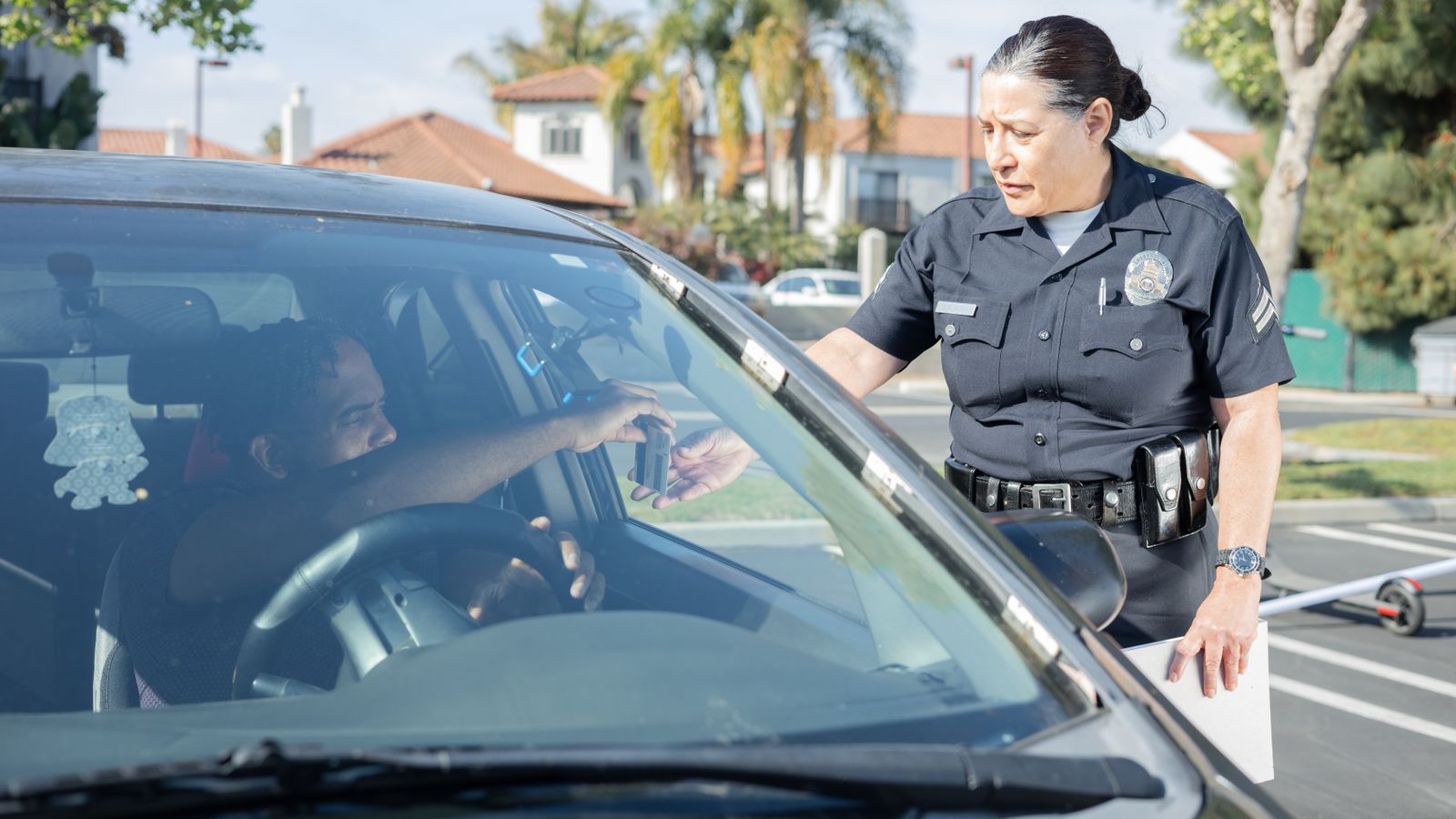
A police officer hands a traffic ticket to a driver in a parked car. Public safety interaction.
The Messaging Shift
Virginia's impaired-driving campaign describes marijuana as a relaxation enhancer rather than using traditional prohibitionist language. The PSA, released August 10, 2026, advises drivers to avoid operating vehicles after consuming cannabis but frames the drug's effects in neutral-to-positive terms. It's a departure from decades of state anti-drug messaging that emphasized danger and impairment without acknowledging therapeutic or subjective benefits.
The Virginia Department of Motor Vehicles didn't respond to requests for comment on the language choice by press time.
Legal Context in Virginia
Virginia legalized adult-use cannabis possession in July 2021 but hasn't yet launched retail sales. Residents 21 and older may possess up to one ounce and cultivate up to four plants at home. The state's delayed retail framework has created a gray market of unregulated gifting shops, complicating enforcement and public-education efforts.
Driving under the influence of marijuana remains a Class 1 misdemeanor. Penalties? Up to 12 months in jail and a $2,500 fine. Virginia law doesn't define a per-se THC limit; impairment is determined through field sobriety tests and officer testimony.
Impaired-Driving Enforcement Challenges
States without per-se THC limits face evidentiary hurdles in prosecuting cannabis DUI cases. Unlike alcohol, where blood-alcohol concentration provides a bright-line standard, THC detection doesn't correlate reliably with impairment. Active THC metabolites can remain in blood for hours after psychoactive effects subside, and chronic users may test positive days after last use.
The absence of a per-se standard forces prosecutors to rely on subjective officer observations, a weaker evidentiary foundation than BAC testing.
Virginia's approach mirrors that of 18 other states without per-se cannabis DUI thresholds, including New York and New Jersey. For background on state-level impaired-driving policy, see the CannIntel topic hub on cannabis impaired driving.
Public-Health Messaging Dilemma
Harm-reduction frameworks increasingly acknowledge cannabis's subjective benefits while discouraging specific risky behaviors. The Virginia PSA's language reflects this shift: rather than demonizing marijuana wholesale, it isolates the dangerous context (driving) from the substance itself. This aligns with public-health research showing that abstinence-only messaging loses credibility with populations already using cannabis.
Critics argue that describing marijuana as relaxation-enhancing in a safety campaign may inadvertently normalize use in contexts where impairment poses risk.
What Comes Next
Virginia's retail cannabis market remains stalled in the legislature. The next session begins January 2027, with competing bills likely to address licensing, taxation, and public-safety provisions. The state's Highway Safety Office hasn't indicated whether it'll revise the PSA language.
The tension between acknowledging cannabis's effects and discouraging impaired driving will persist as long as Virginia operates under a legalization-without-sales model — a regulatory limbo that complicates both enforcement and education. Operators and advocates will be watching whether the state adopts per-se THC limits or invests in Drug Recognition Expert training to strengthen DUI enforcement.
For complete background, history, and our ongoing coverage of this story:
Open the CannIntel topic hub →Frequently asked questions
Does Virginia have a legal limit for THC while driving?
No. Virginia does not define a per-se THC blood concentration limit. Impairment is determined through field sobriety tests and officer observations, making prosecution more subjective than alcohol DUI cases.
Is recreational marijuana legal in Virginia?
Possession and home cultivation are legal for adults 21 and older as of July 2021. However, Virginia has not yet authorized retail sales, leaving consumers to rely on home grows or unregulated gifting shops.
What are the penalties for driving under the influence of marijuana in Virginia?
Cannabis DUI is a Class 1 misdemeanor, punishable by up to 12 months in jail, a $2,500 fine, and license suspension. Penalties increase for repeat offenses or if the driver causes injury.
Why did Virginia's PSA describe marijuana as enhancing relaxation?
The Virginia Department of Motor Vehicles has not publicly explained the language choice. Public-health experts suggest harm-reduction messaging that acknowledges subjective effects may be more credible than abstinence-only warnings.
When will Virginia launch retail cannabis sales?
No launch date is set. Retail-market legislation has stalled in the General Assembly. The next session begins January 2027, with competing bills expected to address licensing and taxation.
Sources
The cannabis newsletter you forward to your team.
Federal policy, market data, grower alerts, and the one story that matters today. Sent every weekday at 7am. Free.
No spam. Unsubscribe with one click. 21+ only.
Related from Laws

Senate Hemp THC Vote Fractures Partisan Lines in Rare Coalition Split
A procedural vote on intoxicating hemp products broke traditional Republican and Democratic blocs, signaling deepening rifts over cannabis policy.

Hochul Signs Bill Expanding Microbusiness, Dispensary Pathways in NY
New law loosens ownership restrictions and creates new licensing routes for small operators in New York's cannabis market.

Monaco Bans THC Derivatives and Mushroom Edibles in Sovereign Order
The principality adds synthetic cannabinoids and psilocybin-containing products to its controlled substances list effective immediately.
More from the newsroom

THC Drug Eliminated Nightmares in 37% of PTSD Patients, German Trial Finds
Nabilone, a synthetic THC analog, outperformed placebo in reducing trauma-related nightmares in a 10-week randomized controlled trial.

US Hospital Nausea Cases Surge Among Frequent Cannabis Users
Emergency departments report sharp increase in cannabinoid hyperemesis syndrome admissions as daily consumption patterns shift nationwide.

VCU's Massey Receives $2.7M NIH Grant for Cannabis Pain Research
Federal funding will support study of cannabinoid mechanisms in chronic pain management.