UL Lawyers Publishes Explainer on Ontario Illegal Cannabis Crackdown
A law-firm explainer revives scrutiny of Ontario's enforcement against unlicensed cannabis shops. Here is the legal framework operators need to read it against.
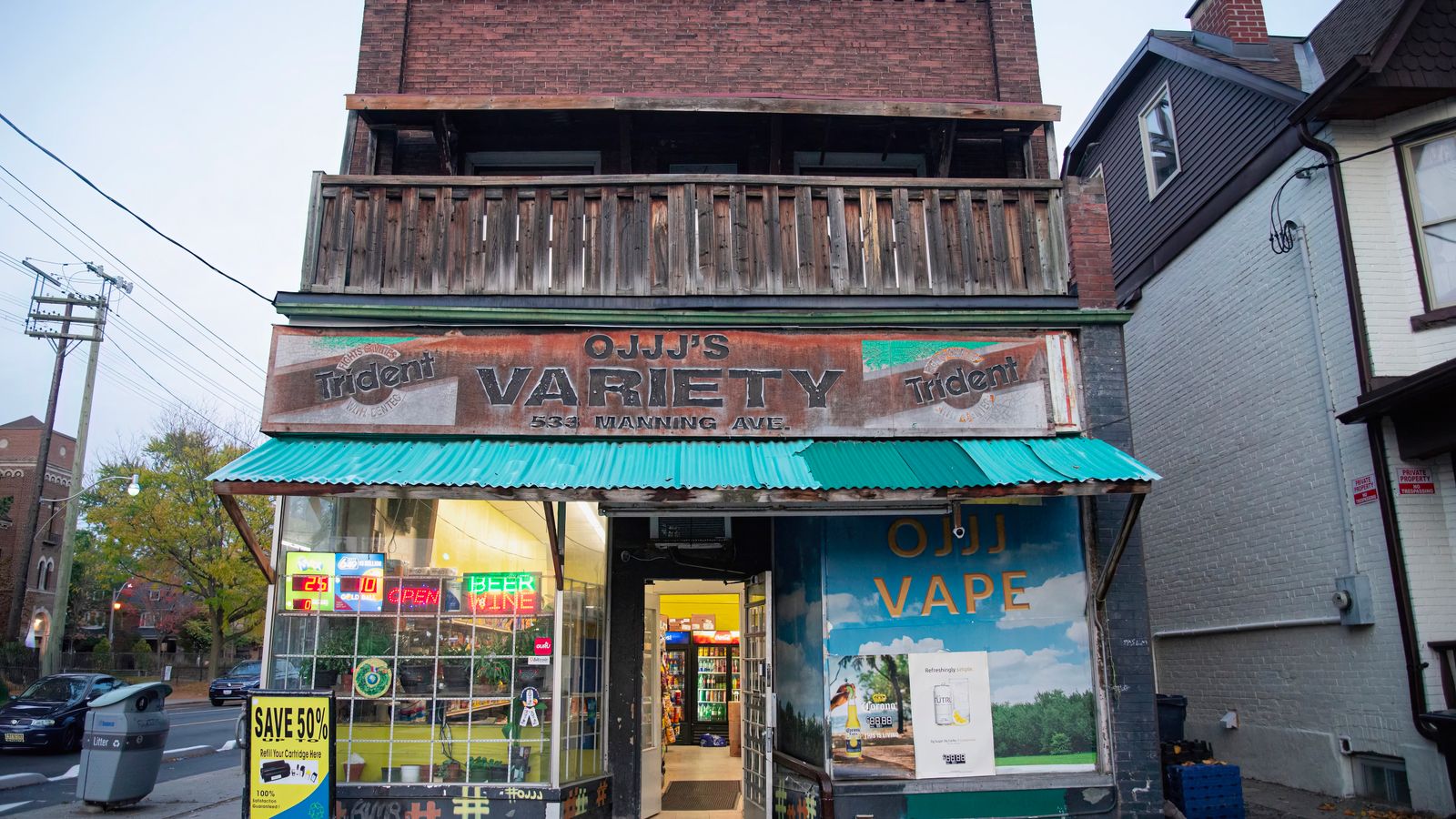
Facade of a quaint city convenience store on a day in autumn.
What the UL Lawyers explainer covers
UL Lawyers published an explainer titled "Ontario's Crackdown on Illegal Cannabis Stores Explained" on Nov. 1, 2026.
The signal supplies a headline and a publisher, nothing more. We haven't verified the firm's specific claims, case counts or penalty figures, so this report doesn't repeat any of them.
What we can do is lay out the statutory framework the explainer sits on. That framework is public, and it determines who is exposed when Ontario enforces.
The three-layer legal taxonomy
Ontario's retail cannabis market is governed by three separate layers of law, and enforcement can run through any of them.
- Federal: the Cannabis Act, which sets the national ban on unlicensed sale.
- Provincial: Ontario's licensing and wholesale regime, administered by the Alcohol and Gaming Commission of Ontario (AGCO) and supplied through the Ontario Cannabis Store (OCS).
- Municipal: local land-use, zoning and business-licence rules, plus each municipality's retail opt-in or opt-out decision.
Most explainers collapse these into one. They shouldn't. Each layer has its own regulator and its own remedies, and each puts the burden of proof in a different place.
Federal layer: the Cannabis Act
On a strict reading, the federal Cannabis Act makes sale by an unlicensed person an offence regardless of what Ontario does.
The Act carries indictable penalties of up to 14 years for illicit sale or distribution. Prosecution is a criminal matter, which means police and Crown counsel, not the AGCO.
That distinction matters. A shop can face provincial administrative action and criminal exposure at the same time.
Provincial layer: licensing and the OCS
Ontario's retail licence, issued by the AGCO, is the line between a lawful store and an illegal one.
Licensed retailers must buy product from the Ontario Cannabis Store, the province's wholesaler. An unlicensed store sits outside that supply chain by definition, so its inventory has no lawful provenance.
The provincial statutes at issue are the Cannabis Licence Act, 2018 and the Cannabis Control Act, 2017. We'd advise reading the operative sections directly rather than relying on a summary, ours included.
Municipal layer: opt-outs and local rules
Municipalities in Ontario decided whether to allow retail cannabis stores within their borders, which shapes where enforcement is even a local question.
A store in a municipality that opted out has a second problem on top of any licensing defect, and zoning and business-licence bylaws add their own enforcement tools to the pile.
For full background on this story, see the CannIntel topic hub on Ontario illegal cannabis store enforcement.
What licensed retailers should check
Licensed operators have indirect exposure to a crackdown, mostly through supply-chain and landlord risk.
- Confirm every SKU on your shelf traces to the OCS.
- Review lease terms for clauses triggered by neighbouring enforcement actions.
- Check that signage, staffing and sales records match your AGCO licence conditions.
- Document your compliance file now, not after a notice arrives.
None of this is novel. It's the checklist that turns a rumour of enforcement into a non-event.
The tax read: why illegal sales distort the market
Unlicensed sales sit outside the excise and sales-tax system that licensed Ontario retailers carry in their prices.
Licensed producers pay federal excise duty on cannabis products, and licensed retailers collect HST. An illicit store collects and remits neither. That gap lets it undercut on price while legal operators absorb the full tax load.
Contrast the U.S., where IRC §280E denies deductions to plant-touching businesses and compresses legal margins. Ontario's licensed stores don't face that rule, but the price-competition pressure from untaxed sales is a comparable squeeze. That math is hard to ignore.
The next signal: whether the AGCO or Ontario's finance ministry publishes enforcement figures that let anyone test the explainer's framing against hard numbers.
Sources
The cannabis newsletter you forward to your team.
Federal policy, market data, grower alerts, and the one story that matters today. Sent every weekday at 7am. Free.
No spam. Unsubscribe with one click. 21+ only.
Related from Laws

Report Says Massachusetts Could Reverse Legal Marijuana; Data Unverified
A voz.us report cites healthcare costs, accidents and weak tax receipts, but the underlying figures weren't supplied, and CannIntel is testing each claim against public records.

Malta Rejects Cannabis Tourism, Grants First Production Licenses
A Sechat report says Malta licensed its first cannabis growers while ruling out tourism, but the underlying documents haven't surfaced.

Massachusetts Question 8 Puts Marijuana Repeal Before Voters Tuesday
Massachusetts voters decide Tuesday on Question 8, a marijuana repeal measure local coverage frames as a teen-protection play against a risky rollback of legal sales.
More from the newsroom
High Times Flags December Start for Federal Hemp Redefinition
A Nov. 1 High Times consumer guide puts the federal hemp redefinition in December. CannIntel lays out what is confirmed and what buyers should verify.
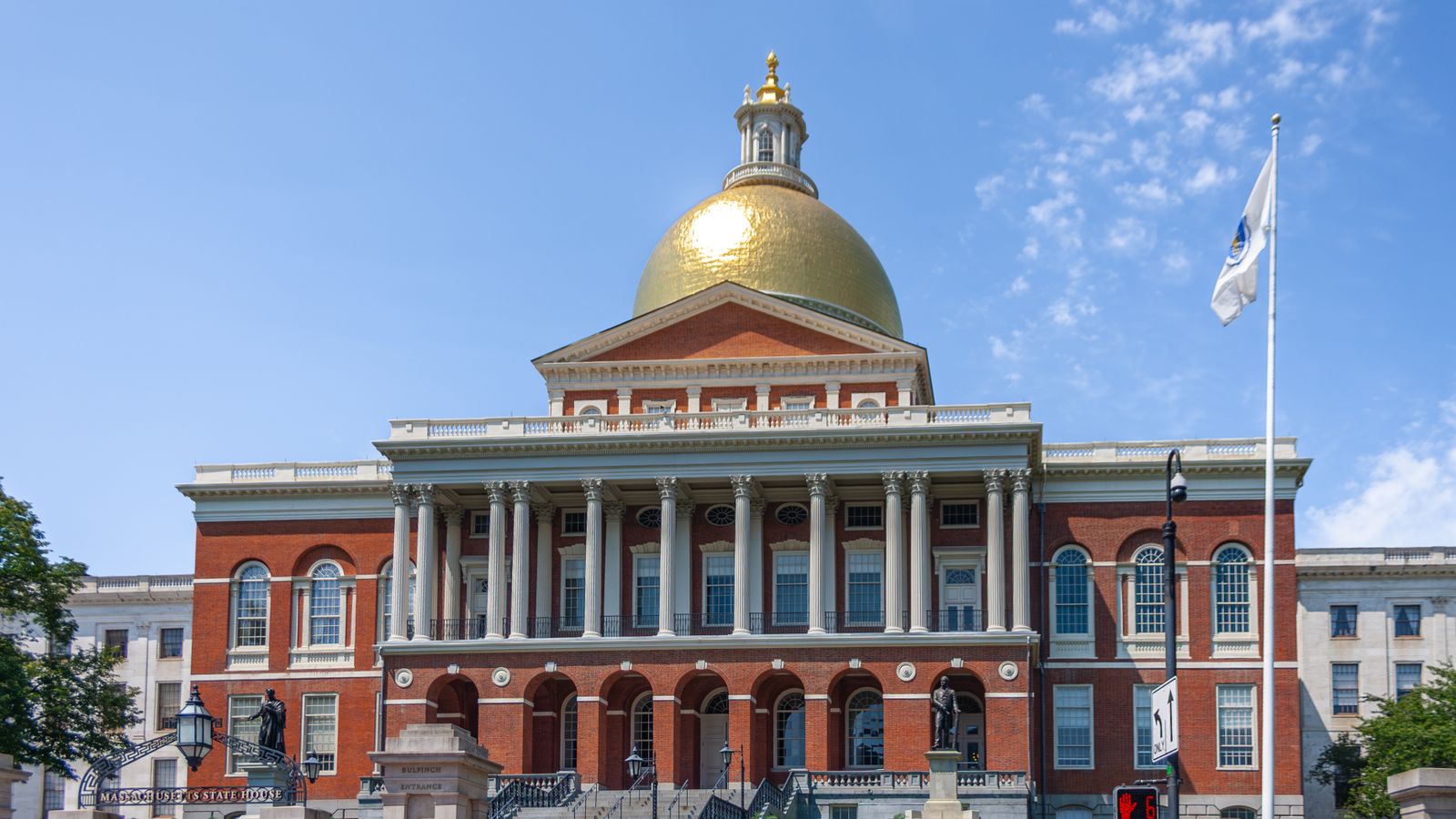
Retired Cops Urge Massachusetts Voters to Keep Marijuana Sales Legal
Law Enforcement Action Partnership authors Diane Goldstein and Karen Hawkes argue in an op-ed that renewed cannabis enforcement would burden Massachusetts police.

Antigua and Barbuda Eyes Cannabis Tourism Market, Report Says
Tourism Review Media reported the twin-island nation is eyeing cannabis tourism, but the real test is whether licensing rules for visitors exist.