Retired Cops Urge Massachusetts Voters to Keep Marijuana Sales Legal
Law Enforcement Action Partnership authors Diane Goldstein and Karen Hawkes argue in an op-ed that renewed cannabis enforcement would burden Massachusetts police.
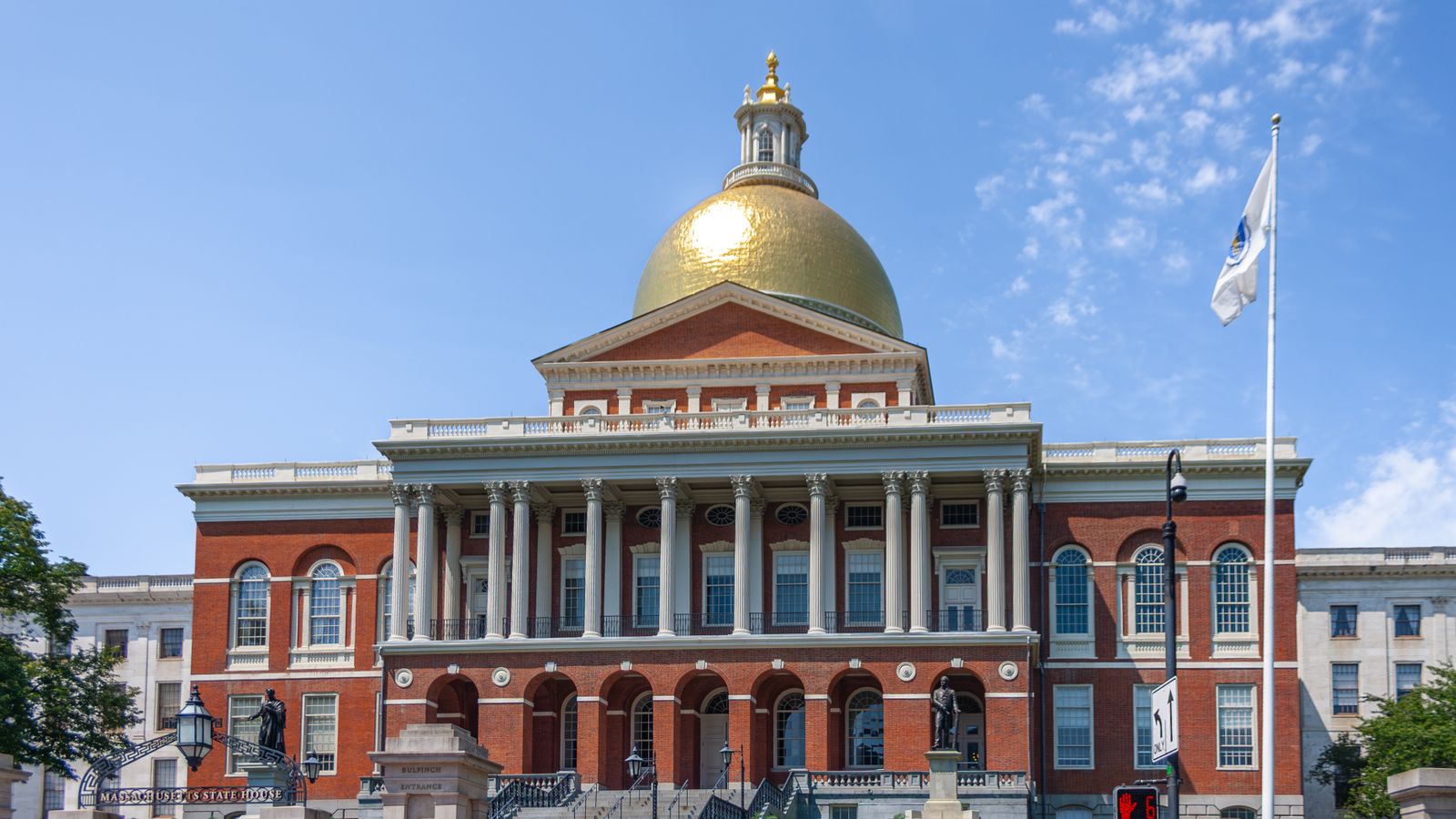
Exterior view of Massachusetts State House in Boston with iconic golden dome under a clear blue sky.
Two retired officers make an enforcement-cost argument
Diane Goldstein and Karen Hawkes argued that rolling back legal sales would pull Massachusetts police back into marijuana enforcement. The op-ed ran in CommonWealth Beacon and was republished by Marijuana Moment on Nov. 1.
Their thesis is simple. Police already juggle heavy demands on time and money, and enforcement would pile more on top.
The authors and their affiliation
Both writers are identified with the Law Enforcement Action Partnership, and that byline is the only credential the signal supplies. The Marijuana Moment item identifies them as retired police.
That's thin sourcing for a policy claim, but it's an op-ed, not a study. The authors are advocates. Read the piece that way.
The ten-year framing
The op-ed opens by casting the current fight as a test of a decision voters made a decade ago. According to the excerpt, Massachusetts voters chose a new approach ten years ago, after decades of policy defined by prohibition.
That framing treats the sales question on this year's ballot as a referendum on the original vote. It's a smart rhetorical move, since it asks voters to defend their own past choice.
In the authors' telling, the burden of renewed cannabis enforcement would fall on the same police departments that already say they're stretched thin.
What the signal does not establish
The available text contains no enforcement-cost figures, arrest data, or ballot language. CannIntel hasn't independently verified any operational claim in the piece. Here's what's missing from the excerpt:
- Dollar estimates of what renewed enforcement would cost departments
- Arrest or citation counts from before the 2016 vote
- The exact wording and legal effect of the ballot question
- Any response from campaigns on the other side
Until those appear, the argument rests on plausibility, not documents.
Why a police messenger matters
Law enforcement voices carry unusual weight with voters who are undecided on cannabis. A campaign built around public safety gains credibility when retired officers make the case.
For licensed operators in Massachusetts, the stakes are existential if sales were ended, and an op-ed from former cops is a cheap way to widen the coalition. That math is hard to argue with. For background, see the CannIntel topic hub on the Massachusetts marijuana sales ballot question.
What to watch before Election Day
The next signals are campaign finance filings, any opposing law enforcement statements, and the vote itself. Election Day is Nov. 3.
Watch whether opponents answer with their own police voices, and whether the Cannabis Control Commission weighs in on enforcement capacity. Two days isn't much time.
Frequently asked questions
Who wrote the Massachusetts marijuana sales op-ed?
Diane Goldstein and Karen Hawkes wrote it, identified as retired police and affiliated with the Law Enforcement Action Partnership. It ran in CommonWealth Beacon and was republished by Marijuana Moment on Nov. 1, 2026.
What is the op-ed's main argument?
The authors argue that police already face considerable demands on their time and resources, and that renewed cannabis enforcement would add to that burden. They urge voters to keep marijuana sales legal.
Does the op-ed include enforcement cost data?
The excerpt available to CannIntel does not include cost figures, arrest data, or ballot text. The piece is advocacy, and its operational claims have not been independently verified.
When is the Massachusetts vote?
Election Day is Nov. 3, 2026. The op-ed was republished two days earlier, on Nov. 1.
Sources
The cannabis newsletter you forward to your team.
Federal policy, market data, grower alerts, and the one story that matters today. Sent every weekday at 7am. Free.
No spam. Unsubscribe with one click. 21+ only.
Related from Laws

Report Says Massachusetts Could Reverse Legal Marijuana; Data Unverified
A voz.us report cites healthcare costs, accidents and weak tax receipts, but the underlying figures weren't supplied, and CannIntel is testing each claim against public records.

Malta Rejects Cannabis Tourism, Grants First Production Licenses
A Sechat report says Malta licensed its first cannabis growers while ruling out tourism, but the underlying documents haven't surfaced.

Massachusetts Question 8 Puts Marijuana Repeal Before Voters Tuesday
Massachusetts voters decide Tuesday on Question 8, a marijuana repeal measure local coverage frames as a teen-protection play against a risky rollback of legal sales.
More from the newsroom
High Times Flags December Start for Federal Hemp Redefinition
A Nov. 1 High Times consumer guide puts the federal hemp redefinition in December. CannIntel lays out what is confirmed and what buyers should verify.
UL Lawyers Publishes Explainer on Ontario Illegal Cannabis Crackdown
A law-firm explainer revives scrutiny of Ontario's enforcement against unlicensed cannabis shops. Here is the legal framework operators need to read it against.

Antigua and Barbuda Eyes Cannabis Tourism Market, Report Says
Tourism Review Media reported the twin-island nation is eyeing cannabis tourism, but the real test is whether licensing rules for visitors exist.