Trump Administration Sends Mixed Signals on Federal Marijuana Policy
White House statements and agency actions diverge on cannabis enforcement and rescheduling timeline as industry awaits clarity.
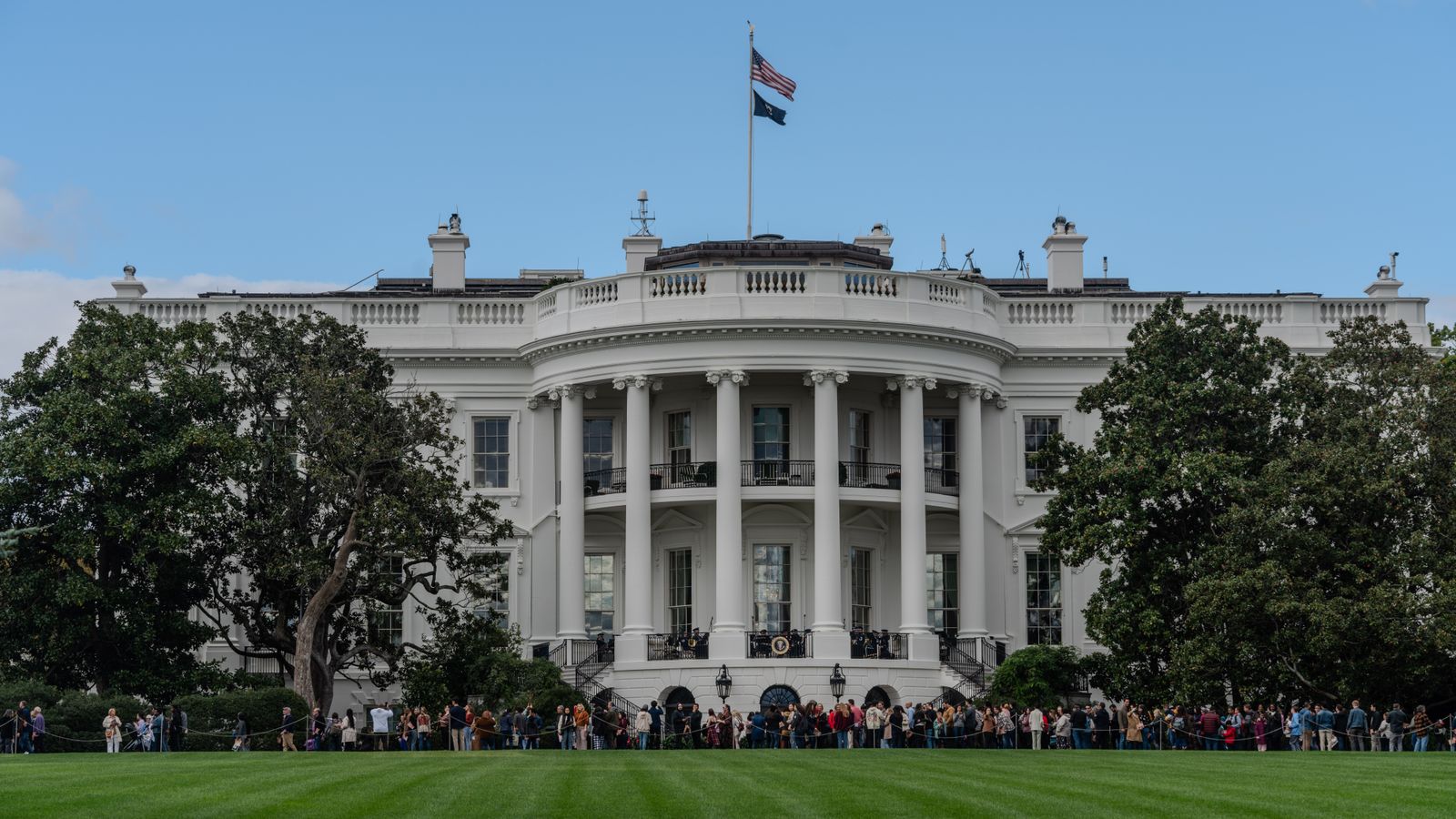
A picturesque view of the White House with the American flag in daylight.
White House Signals Enforcement Discretion
White House press statements this week emphasized federal deference to state cannabis programs, a departure from earlier Trump-era enforcement rhetoric. According to a May 17 briefing transcript, Press Secretary indicated the administration wouldn't prioritize federal prosecutions in states with legal frameworks, though no formal policy memorandum has been issued. On a strict reading of the Controlled Substances Act, 21 U.S.C. § 812, cannabis remains a Schedule I substance regardless of state law. Any executive enforcement discretion is a policy choice, not a statutory mandate.
The statement didn't address whether the Department of Justice would rescind or reissue guidance comparable to the 2013 Cole Memo, which outlined federal enforcement priorities during the Obama administration. Sessions rescinded that memo in 2018.
DOJ Stays Silent on Rescheduling Timeline
The Department of Justice declined to provide a timeline for finalizing the DEA's proposed rule to reschedule cannabis to Schedule III under 21 U.S.C. § 811. The proposed rule, published in the Federal Register in 2024, remains in the notice-and-comment phase with over 43,000 public submissions recorded. DOJ spokespeople referred inquiries to the Drug Enforcement Administration. The agency hasn't issued a final rule or withdrawn the proposal.
Multi-state operators face operational uncertainty. Under current Schedule I classification, cannabis businesses face effective tax rates exceeding 70% due to IRC § 280E, which disallows deductions for expenses related to trafficking in controlled substances. Rescheduling to Schedule III would eliminate the 280E burden, as that statute applies only to Schedule I and II substances.
Treasury Maintains 280E Enforcement Posture
The Internal Revenue Service hasn't signaled any change to its enforcement of IRC § 280E, which disallows ordinary business deductions for cannabis operators. According to IRS guidance issued in 2015 (Chief Counsel Advice 201504011), the statute applies regardless of state legality. Operators may deduct only cost of goods sold under Treas. Reg. § 1.471-3. This creates a narrow compliance pathway that excludes payroll, rent, marketing, and most operational expenses.
Treasury officials haven't commented on whether the administration would support legislative repeal of 280E, as proposed in the SAFE Banking Act and other pending bills. Only congressional action or DEA rescheduling can eliminate the 280E tax burden—on a strict reading of the statute.
State Programs Face Federal Uncertainty
State regulators in California, New York, and Ohio report confusion among licensees over federal enforcement risk and tax planning assumptions. California's Department of Cannabis Control noted in a May 16 stakeholder call that operators are requesting guidance on whether to model for Schedule III tax treatment in 2027 budgets. The DCC can't provide that guidance. Federal rescheduling remains speculative.
Ohio's Division of Cannabis Control, which launched adult-use sales in January 2026, reported similar inquiries from newly licensed operators. The state's tax structure is built around a 10% excise tax and assumes continued federal prohibition and 280E treatment. A shift to Schedule III would require legislative adjustment to Ohio's revenue projections.
The divergence between White House rhetoric and DOJ silence creates a compliance gap that operators can't bridge with legal advice alone—either the administration advances rescheduling, or it clarifies enforcement priorities under Schedule I.
Industry Groups Call for Formal Policy
The National Cannabis Industry Association and the U.S. Cannabis Council issued a joint statement May 17 urging the administration to formalize its enforcement posture through written DOJ guidance. The groups noted that informal press statements don't bind U.S. Attorneys in individual districts. Operators remain exposed to prosecution under 21 U.S.C. § 841 (manufacture and distribution) and 21 U.S.C. § 846 (conspiracy).
The statement cited the 2018 rescission of the Cole Memo as precedent for how quickly enforcement policy can shift without congressional action. Operators require either a formal memo or final rescheduling to make long-term capital allocation decisions, the groups argued.
What Operators Should Watch
The next signal will come from DOJ's response to pending litigation in Americans for Safe Access v. DEA, where petitioners are seeking a court order compelling the agency to finalize the rescheduling rule. Oral arguments are scheduled for June 2026 in the D.C. Circuit. A ruling in favor of petitioners could force the administration's hand.
Until then, operators should model for continued 280E treatment and maintain compliance with both state licensing requirements and federal anti-money-laundering rules under the Bank Secrecy Act. For full background on this story, see the CannIntel topic hub on Trump Administration Cannabis Policy.
For complete background, history, and our ongoing coverage of this story:
Open the CannIntel topic hub →Frequently asked questions
What is IRC § 280E and how does it affect cannabis businesses?
IRC § 280E disallows ordinary business deductions for entities trafficking in Schedule I or II controlled substances. Cannabis operators may deduct only cost of goods sold, resulting in effective tax rates often exceeding 70%. Rescheduling to Schedule III would eliminate this burden.
What would Schedule III reclassification mean for cannabis operators?
Rescheduling cannabis to Schedule III under the Controlled Substances Act would eliminate IRC § 280E tax penalties, allowing operators to deduct ordinary business expenses like payroll and rent. It wouldn't legalize cannabis federally but would remove the primary tax compliance barrier.
Can the White House change marijuana policy without Congress?
The executive branch can adjust enforcement priorities and direct the DEA to reschedule substances under 21 U.S.C. § 811, but it can't legalize cannabis or repeal statutes like IRC § 280E without congressional action. Enforcement discretion is a policy choice, not a legal change.
What was the Cole Memo and why does it matter?
The 2013 Cole Memo was DOJ guidance outlining federal enforcement priorities in states with legal cannabis programs. It was rescinded in 2018, demonstrating that informal enforcement policy can shift rapidly without new legislation. Operators seek similar formal guidance from the current administration.
Sources
The cannabis newsletter you forward to your team.
Federal policy, market data, grower alerts, and the one story that matters today. Sent every weekday at 7am. Free.
No spam. Unsubscribe with one click. 21+ only.
Related from Laws

Virginia Gov. Spanberger Faces May 28 Deadline on Retail Marijuana Bill
The governor has until May 28 to sign, veto, or allow the retail cannabis framework to become law without signature.

Virginia Gov. Spanberger Faces Decision on Recreational Cannabis Bill
The Virginia General Assembly passed adult-use legislation, leaving final approval to the governor's desk.

DEA Marijuana Rescheduling Advances in Federal Policy Update
Justice Department moves forward on cannabis schedule change as trucking industry monitors federal drug-testing implications.
More from the newsroom

EHS Today Outlines Workplace Cannabis Strategies Amid Legalization
Industry publication releases guidance for employers navigating drug-testing policies as state laws diverge.
Indiana Governor Hopes GOP Opposition to Medical Marijuana 'Softens'
Governor Mike Braun highlighted medical cannabis benefits for veterans as he urged Republican lawmakers to reconsider their resistance.

TerrAscend Posts Solid Q1 Revenue as Market Eyes U.S. Rescheduling
Multi-state operator reports quarterly results amid investor focus on federal cannabis policy shifts.