Virginia Gov. Spanberger Faces May 28 Deadline on Retail Marijuana Bill
The governor has until May 28 to sign, veto, or allow the retail cannabis framework to become law without signature.

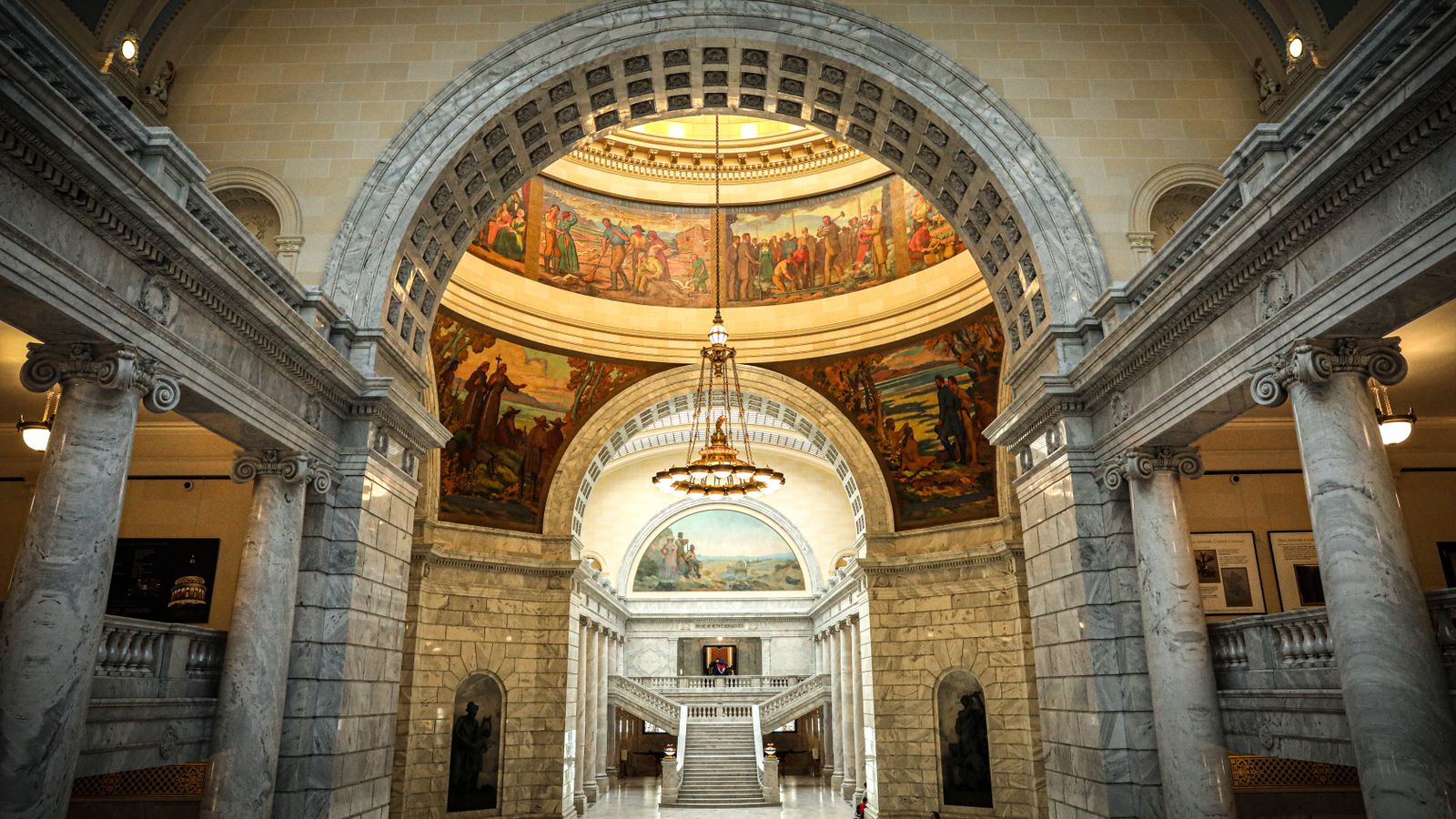
A beautiful view of the Massachusetts State House chamber with elegant decor and empty seating.
Constitutional Deadline Triggers May 28 Action Window
Under Article V, Section 6 of the Virginia Constitution, the governor has seven days (excluding Sundays) after receiving enrolled legislation to sign, veto, or allow a bill to become law without signature. The retail marijuana bill reached Spanberger's desk on May 18. That sets the May 28 deadline. If she doesn't act, the bill becomes law automatically on May 29.
Virginia's legislative session adjourned sine die on April 12, 2026. Bills passed in the final week typically reach the governor's desk within 30 days, triggering the constitutional seven-day clock.
Retail Framework Authorizes Dispensaries, Cultivation Licenses
The legislation establishes a tiered licensing system for cultivation, processing, testing, and retail sale of adult-use cannabis to residents 21 and older. The Virginia Cannabis Control Authority would issue up to 400 retail licenses statewide in the first 24 months, allocated proportionally by population density across the commonwealth's 11 health districts.
Cultivation licenses would be capped at 50 micro-tier (5,000 square feet canopy) and 25 standard-tier (30,000 square feet) permits in year one. Section 4.1-1603(B) bars the Authority from issuing a retail license to any applicant with a disqualifying felony conviction under Virginia Code §18.2-248 (manufacture or distribution of Schedule I or II substances) within the prior 10 years.
Tax Structure Sets 15% Excise, 5.3% Sales Tax
The bill imposes a 15% excise tax on wholesale transactions between cultivators and processors, plus Virginia's standard 5.3% retail sales tax at point of sale. The Joint Legislative Audit and Review Commission projects $112 million in combined tax receipts in fiscal year 2027, climbing to $287 million by FY2030.
Sixty percent of excise revenue flows to the Cannabis Equity Reinvestment Fund, established under the bill to fund expungement services, small-business technical assistance, and substance-abuse treatment in communities with historically disproportionate enforcement of cannabis prohibition. The remaining 40% splits between K-12 education (25%) and public-health programs (15%).
Social-Equity Provisions Reserve 30% of Licenses
The legislation reserves 30% of all license types for social-equity applicants, defined as Virginia residents with prior cannabis convictions or who resided for at least five years in a designated "disproportionately impacted area." The Authority must publish the DIA map within 90 days of the bill's effective date, using arrest-rate data from the Virginia State Police and U.S. Census Bureau income statistics.
Social-equity applicants get fee waivers for the first three years and priority review. The bill doesn't establish a dedicated low-interest loan fund, a provision advocates had sought during committee markup.
Possession Limits Mirror Neighboring States
Adults 21 and older may possess up to two ounces of flower, 15 grams of concentrate, and cannabis products containing up to 1,500 milligrams of THC. Home cultivation remains prohibited under the bill, a departure from the decriminalization statute passed in 2021 that allowed up to four plants per household. Public consumption carries a Class 4 misdemeanor. Fine: $250.
Political Landscape and Next Steps
Spanberger, a Democrat elected in November 2025, hasn't publicly said where she stands on the retail bill. During her campaign, she supported "a regulated market with strong consumer protections" but didn't endorse specific legislative language. The bill passed the House of Delegates 56–44 and the Senate 22–18, falling short of the two-thirds majority needed to override a veto.
If signed, the Authority would begin accepting license applications on January 1, 2027, with the first retail sales projected for mid-2027. We'll be watching whether Spanberger signals her position before the deadline or lets the bill become law without her signature. For full background on this story, see the CannIntel topic hub on Virginia retail marijuana legalization.
For complete background, history, and our ongoing coverage of this story:
Open the CannIntel topic hub →Sources
The cannabis newsletter you forward to your team.
Federal policy, market data, grower alerts, and the one story that matters today. Sent every weekday at 7am. Free.
No spam. Unsubscribe with one click. 21+ only.
Related from Laws

Virginia Gov. Spanberger Faces Decision on Recreational Cannabis Bill
The Virginia General Assembly passed adult-use legislation, leaving final approval to the governor's desk.

DEA Marijuana Rescheduling Advances in Federal Policy Update
Justice Department moves forward on cannabis schedule change as trucking industry monitors federal drug-testing implications.
Indiana Governor Hopes GOP Opposition to Medical Marijuana 'Softens'
Governor Mike Braun highlighted medical cannabis benefits for veterans as he urged Republican lawmakers to reconsider their resistance.
More from the newsroom

EHS Today Outlines Workplace Cannabis Strategies Amid Legalization
Industry publication releases guidance for employers navigating drug-testing policies as state laws diverge.

TerrAscend Posts Solid Q1 Revenue as Market Eyes U.S. Rescheduling
Multi-state operator reports quarterly results amid investor focus on federal cannabis policy shifts.

Canada's Ad Ban Blocks Cannabis Brands from World Cup Sponsorships
Federal restrictions prohibit licensed producers from sports marketing, leaving global stage to U.S. and European rivals.