THC Beverages Sold Alongside Soft Drinks Violate State Laws Nationwide
Hemp-derived THC drinks are appearing in mainstream retail coolers next to sodas and chocolate milk, often breaching state packaging and placement rules.
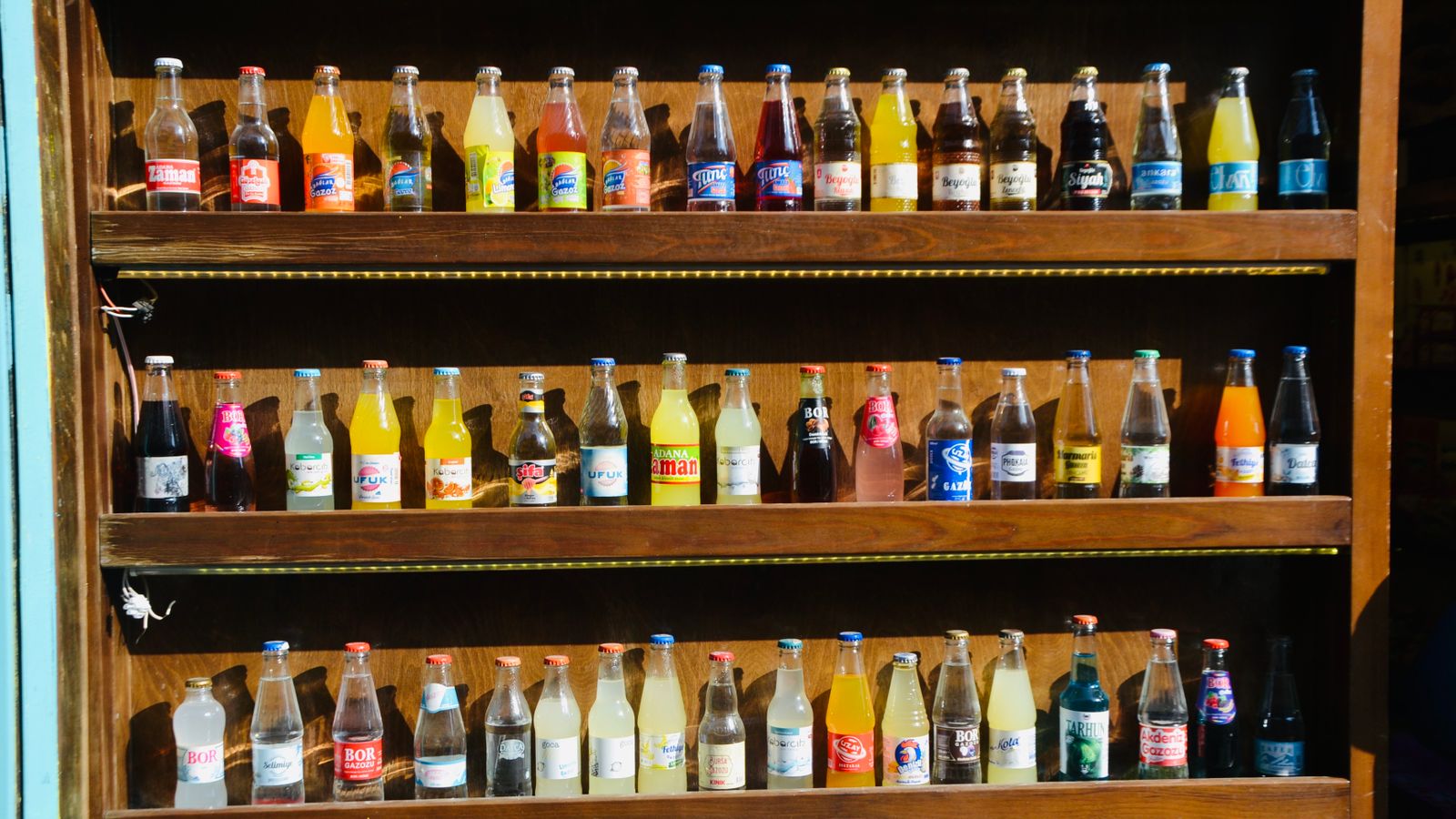
Colorful assortment of soda bottles displayed on wooden shelves in a store setting.
Retail Placement Violations Documented Across Multiple States
Hemp-derived THC drinks are routinely placed in refrigerated sections next to conventional beverages, violating state laws that mandate separate cannabis product displays. The STAT investigation documented instances in convenience stores, gas stations, and grocery chains where intoxicating hemp beverages shared cooler space with Coca-Cola, Arizona Iced Tea, and dairy products.
Most states with legal cannabis markets require licensed retailers to separate intoxicating products from non-cannabis goods. Hemp beverages exploit the 2018 Farm Bill's delta-9 THC threshold — products containing less than 0.3% delta-9 THC by dry weight are federally legal as hemp — but many contain intoxicating levels of other cannabinoids or use conversion processes that sidestep the intent of state regulations.
State Packaging and Labeling Rules Routinely Ignored
Many of the documented products lacked child-resistant packaging, clear intoxication warnings, or state-mandated testing labels. State cannabis laws typically require opaque packaging, universal THC symbols, batch testing certificates, and explicit warnings about impairment and pregnancy risks.
Beverages observed by STAT often featured bright, youth-appealing graphics and sat on open shelves or in unlocked coolers — both prohibited under most state cannabis statutes. Some products displayed no THC content information on the principal display panel. Compliance wasn't even close.
Hemp Loophole Enables Unregulated Distribution Channels
The Farm Bill's delta-9 THC limit allows manufacturers to distribute intoxicating hemp products through conventional retail channels that lack cannabis licenses. Retailers selling these beverages aren't subject to the same compliance audits, ID-check protocols, or inventory tracking systems required of licensed dispensaries.
A two-tier market has emerged: state-licensed cannabis retailers operate under strict placement, testing, and packaging rules, while hemp-derived THC products flow through gas stations and grocery stores with minimal oversight. For context on the regulatory divide, see the CannIntel topic hub on THC beverage regulation.
Enforcement Remains Fragmented and Inconsistent
State enforcement agencies have issued sporadic warnings but lack the resources or statutory clarity to systematically police hemp-derived intoxicants. Some states, including California and Colorado, have attempted to ban intoxicating hemp products outright. Retail-level enforcement remains uneven.
Other states have no explicit prohibition on hemp-derived cannabinoids like delta-8 THC, THCA, or HHC, leaving retailers uncertain whether existing cannabis laws apply to these products. Regulatory frameworks can't keep pace. The beverages proliferate faster than agencies can adapt.
Public Health Concerns Over Youth Access and Dosing
Placement next to soft drinks raises acute concerns about accidental consumption by minors and confusion among consumers unfamiliar with THC dosing. A typical hemp-derived THC beverage contains 5-10 mg of total THC per serving — a dose sufficient to intoxicate a naive user — but packaging often resembles energy drinks or flavored sparkling water.
Public health advocates have flagged the risk of children mistaking these products for conventional beverages, particularly when sold in convenience stores without age-verification systems or staff training on cannabis products. The visual cues don't signal danger.
Industry and Legislative Response Expected
State legislatures are beginning to draft bills that would explicitly regulate or ban hemp-derived intoxicants, while industry groups push for federal clarity on cannabinoid definitions. The National Cannabis Industry Association and other trade groups have called for Congress to close the Farm Bill loophole by defining intoxicating cannabinoids more broadly than just delta-9 THC.
Until federal or state action clarifies the rules, enforcement will remain inconsistent. Retailers face minimal consequences for violations, and consumers have no reliable way to distinguish compliant products from those that breach state law. Expect enforcement to vary widely by jurisdiction and to lag behind the pace of product innovation.
For complete background, history, and our ongoing coverage of this story:
Open the CannIntel topic hub →Frequently asked questions
Why are THC drinks sold next to regular sodas legal?
Hemp-derived THC beverages exploit the 2018 Farm Bill's delta-9 THC limit (0.3% by dry weight), which classifies them as legal hemp rather than controlled cannabis. This allows distribution through conventional retail channels that don't require cannabis licenses, even though the products are intoxicating.
Do these beverages violate state cannabis laws?
In most states with legal cannabis programs, yes. State laws typically require cannabis products to be sold only through licensed dispensaries, with child-resistant packaging, clear warnings, and separation from non-intoxicating goods. Hemp-derived THC drinks often breach these rules, but enforcement is inconsistent.
What cannabinoids are in these hemp-derived drinks?
Most contain delta-8 THC, delta-9 THC (below the 0.3% threshold), THCA (which converts to THC when consumed), or synthetic cannabinoids like HHC. Total THC content per serving typically ranges from 5-10 mg, enough to intoxicate a naive user, despite low delta-9 levels.
Are states cracking down on these products?
Some states, including California and Colorado, have moved to ban intoxicating hemp products, but enforcement is fragmented. Many states lack clear statutes covering hemp-derived cannabinoids beyond delta-9 THC, leaving retailers and regulators uncertain about compliance requirements.
Sources
The cannabis newsletter you forward to your team.
Federal policy, market data, grower alerts, and the one story that matters today. Sent every weekday at 7am. Free.
No spam. Unsubscribe with one click. 21+ only.
Related from Laws

Trump AG Dodges Question on Further Marijuana Rescheduling Beyond Medical Use
Attorney General declines to commit to adult-use rescheduling during Senate confirmation hearing.

Massachusetts voters to decide cannabis repeal in November ballot
A citizen-led petition forces the first statewide vote on reversing adult-use legalization since 2016.

Massachusetts Voters Face Nine Ballot Questions in November 2026
Cannabis reform, gun control, and seven other measures could appear on Massachusetts ballots this fall.
More from the newsroom

California CHP Allocates $41M in Cannabis Tax Revenue to Anti-Impaired Driving Grants
The California Highway Patrol announced statewide grant awards funded entirely by cannabis excise tax collections.

TSA cannabis discovery can trigger 10-year federal sentence, $15K fine
Federal prosecution remains possible despite state legalization when cannabis crosses airport security checkpoints.
Off-Duty Cannabis Use Sparks Employer Testing Debate in Legal States
Employers face mounting legal and practical questions over testing workers for marijuana consumed outside work hours.