Thailand Draft Bill Limits Cannabis to Medical Use Only
New legislation would end recreational access two years after decriminalization.
Stunning view of the Hungarian Parliament Building along the Danube River in Budapest.
Medical-Only Framework Reverses 2022 Decriminalization
The draft bill prohibits recreational cannabis possession and sale, limiting legal use to patients with prescriptions and licensed research institutions. Thailand's Public Health Ministry submitted the legislation to the Cabinet on July 31, 2026, according to the Bangkok Post. The proposal marks a full retreat from the country's June 2022 decision to remove cannabis from its narcotics schedule, a move that briefly positioned Thailand as Southeast Asia's most permissive cannabis jurisdiction.
Only patients holding valid medical prescriptions may possess cannabis products under the draft framework. Cultivation and distribution would require government-issued licenses tied to medical or scientific purposes. Recreational dispensaries operating since 2022 would face closure or mandatory conversion to medical-only models.
The shift follows sustained political pressure. Conservative lawmakers and public-health officials argued that the 2022 decriminalization created regulatory gaps and youth-access risks.
Licensing and Enforcement Provisions
The bill establishes a tiered licensing system for growers, processors, and dispensaries, with penalties for unlicensed activity ranging from fines to imprisonment. Cultivators must register with the Food and Drug Administration and demonstrate medical or research intent. Retail licenses would be restricted to pharmacies and certified medical clinics.
Unauthorized possession of quantities exceeding personal medical limits would trigger criminal penalties, reversing the decriminalized status that allowed home cultivation and informal sales.
The Public Health Ministry didn't specify threshold quantities for medical possession limits in the draft text reported by the Bangkok Post. Provincial health offices and the national police narcotics bureau would handle enforcement.
Economic Impact on Existing Operators
An estimated 6,000 cannabis dispensaries opened across Thailand following the 2022 decriminalization, most targeting recreational consumers and tourists. Industry groups estimate the sector generated 15 billion baht (approximately $430 million) in annual revenue, with employment exceeding 20,000 workers. The medical-only restriction threatens mass closures unless operators can pivot to prescription-based models.
Cultivators who invested in large-scale outdoor grows for the recreational market face similar disruption. No transition provisions. No compensation mechanisms. The draft bill offers nothing to businesses that complied with the 2022 framework.
For full context on Thailand's policy reversal, see the CannIntel topic hub on Thailand cannabis recriminalization.
Parliamentary Timeline and Political Outlook
The bill now moves to Thailand's National Assembly, where the governing coalition holds a majority and has signaled support for medical-only restrictions. Parliamentary review typically spans 60 to 90 days, with committee hearings and floor debate scheduled for September 2026. Passage is considered likely given the coalition's unified stance on reversing decriminalization.
Opposition parties have criticized the measure as economically disruptive but lack the votes to block it. Public polling conducted in early 2026 showed mixed sentiment: 52% of respondents favoring medical-only access and 38% supporting continued recreational availability.
If enacted, the law would take effect 90 days after royal assent, likely in early 2027. Watch the committee amendments during the September hearings, which could soften enforcement timelines or introduce operator transition windows.
Sources
The cannabis newsletter you forward to your team.
Federal policy, market data, grower alerts, and the one story that matters today. Sent every weekday at 7am. Free.
No spam. Unsubscribe with one click. 21+ only.
Related from Laws

Verano Sues New Jersey Over Cannabis Labor Peace Requirement
Multi-state operator challenges state mandate requiring labor peace agreements for cannabis licenses.

Hemp Beverage Companies Challenge Ohio's Intoxicating Hemp Law
Industry coalition files legal challenge targeting Ohio's new restrictions on hemp-derived intoxicating beverages.
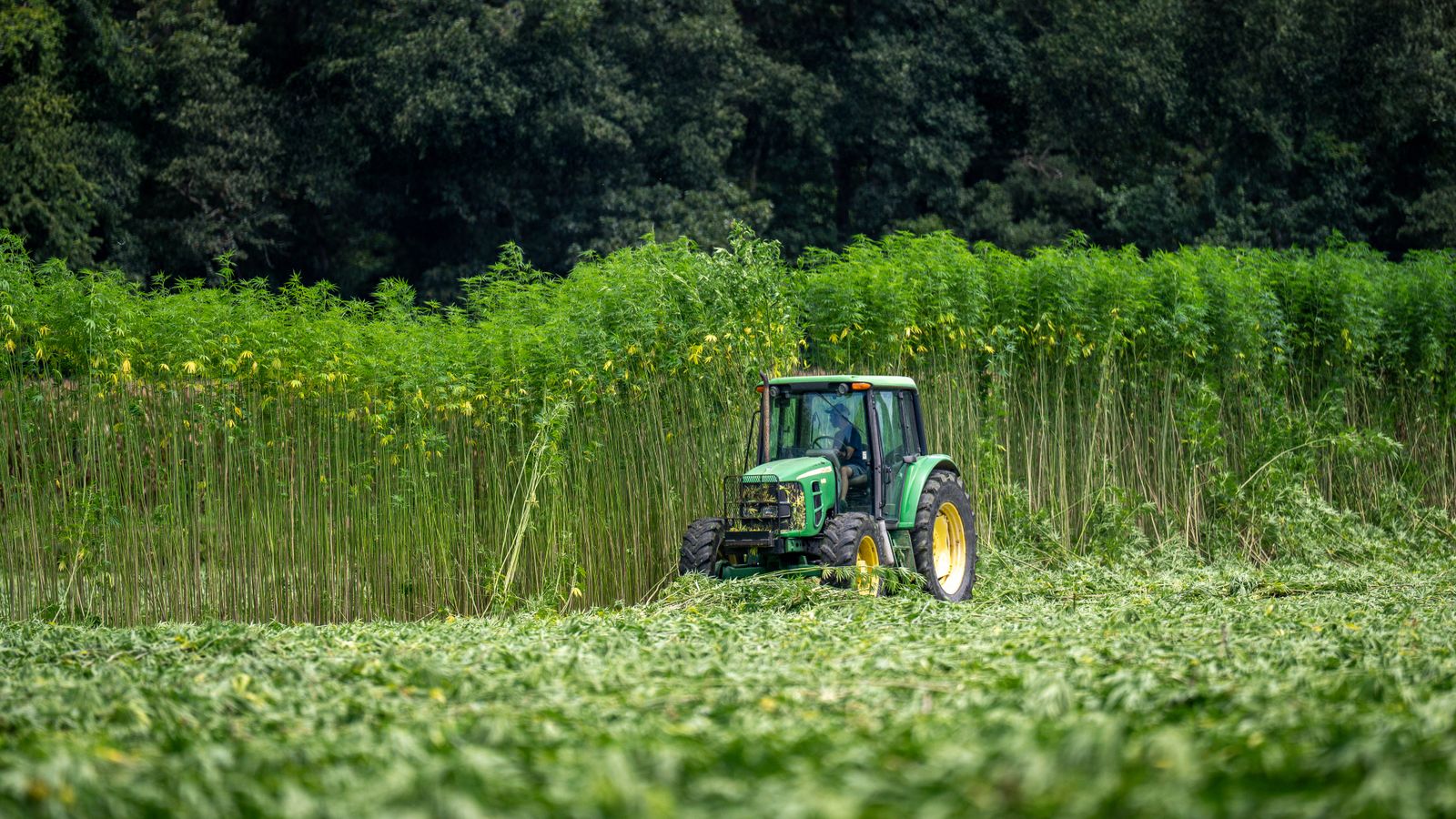
Hemp 'Loophole' Fight Creates Unusual Cannabis Lobby Alliances
State-legal cannabis operators and federal hemp producers are forming cross-sector coalitions as Congress weighs closing regulatory gaps.
More from the newsroom

Colorado Cannabis Industry Faces Persistent Operational Challenges
Thirteen years after recreational legalization, Colorado operators report ongoing regulatory and market pressures.

Jain: Interstate Commerce Could Unlock Next Growth Wave Post-Rescheduling
Hirsh Jain sees federal rescheduling as the trigger for cross-border cannabis trade and MSO consolidation.

Jefferson County Cannabis ER Visits Exceed State Average, Report Shows
New York county's cannabis-related emergency department visits outpace statewide rate in latest public health data.