Texas Bans Delta-8 and Hemp-Derived THC Sales Starting August 1
Retailers have 48 hours to pull products as state enforcement begins Friday under new DSHS rules.
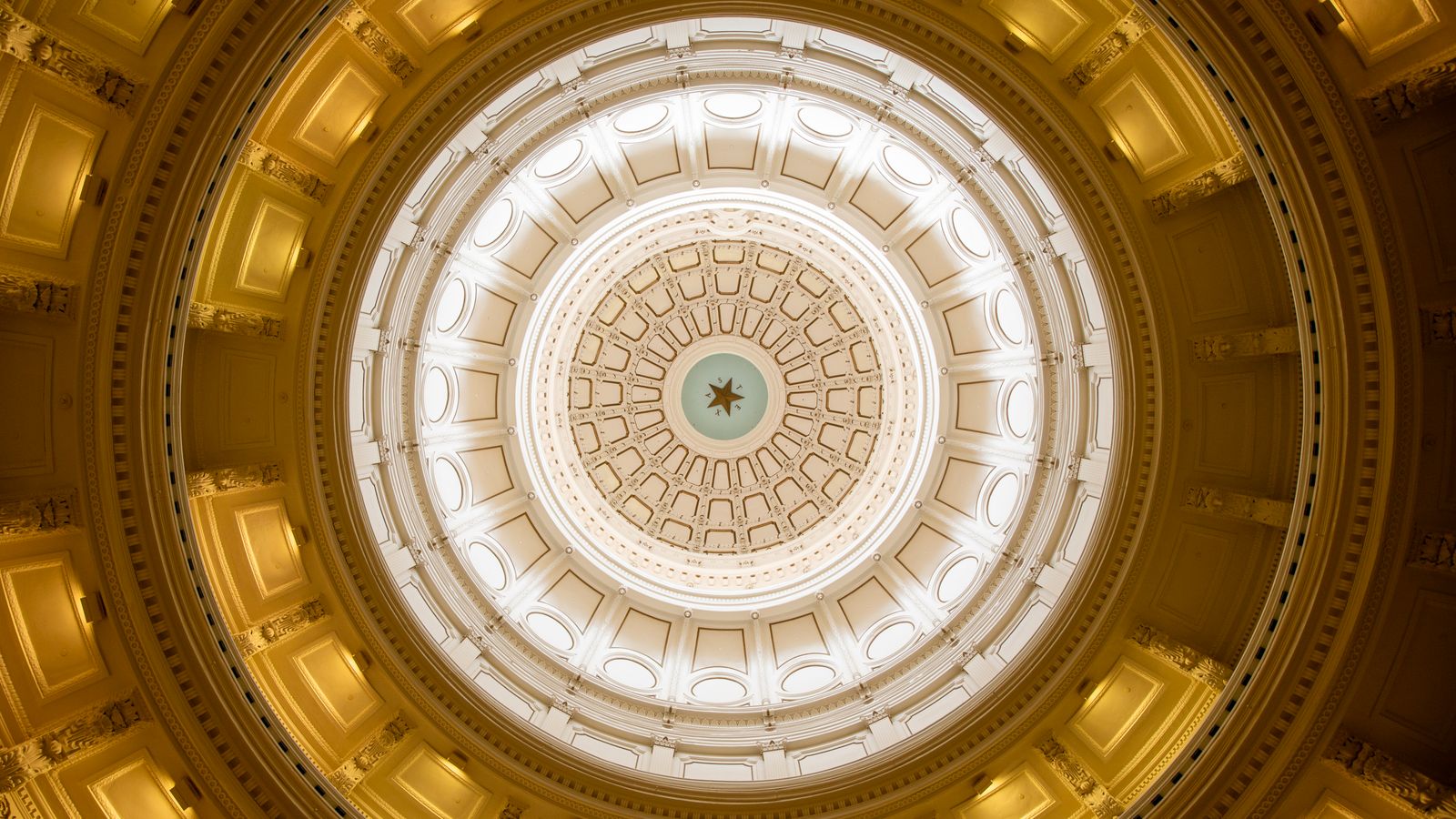
Stunning view of the Texas Capitol dome showcasing intricate architectural design and illumination.
Enforcement Deadline Arrives Friday
Texas retailers must remove all delta-8 THC, delta-10 THC, THC-O, and THCP products from shelves by midnight August 1, 2026. The Texas Department of State Health Services finalized its Consumable Hemp Program rules on June 15, 2026, establishing a 0.3 percent total THC limit that effectively bans intoxicating hemp products sold in gas stations, smoke shops, and online retailers across the state.
The rule change stems from House Bill 1325, passed during the 2019 legislative session to legalize hemp cultivation. DSHS interpreted the statute's "total THC" language to include all tetrahydrocannabinol isomers—not just delta-9 THC.
What Products Are Banned
The prohibition covers any hemp-derived product exceeding 0.3 percent total THC by dry weight, measured as the sum of delta-9 THC and other intoxicating cannabinoids. This includes delta-8 THC gummies, vapes, tinctures, and flower products that have flooded Texas retail since 2020. Delta-10 THC, THC-O acetate, and hexahydrocannabinol products also fall under the ban.
CBD products remain legal. They must contain only cannabidiol and trace delta-9 THC below the 0.3 percent threshold. The DSHS rules don't affect the state's existing medical cannabis program, which allows low-THC cannabis prescriptions for qualifying patients under the Texas Compassionate Use Act.
Industry Pushback and Legal Challenges
Texas hemp retailers filed a lawsuit in Travis County District Court on July 10, 2026, seeking to block enforcement of the DSHS rules. Plaintiffs argue the agency exceeded its statutory authority by redefining "total THC" to include isomers Congress didn't intend to regulate under the 2018 Farm Bill. A hearing on a temporary restraining order is scheduled for August 5, but no injunction has been granted as of July 31.
The Texas Hemp Coalition estimates the ban will eliminate 3,200 retail jobs and close 800 small businesses statewide. Industry groups have called on the Texas Legislature to clarify the legal status of hemp-derived cannabinoids when it reconvenes in January 2027.
Penalties for Noncompliance
Retailers selling banned products after August 1 face criminal penalties under Texas Health and Safety Code § 481.120, which classifies unauthorized THC sales as a state jail felony. First-time offenders can be charged with a Class A misdemeanor carrying up to one year in jail and a $4,000 fine. Repeat violations or sales to minors escalate to felony charges with penalties ranging from 180 days to two years in state jail.
DSHS hasn't announced a grace period. Local law enforcement and health inspectors will begin compliance checks immediately after the Friday deadline.
Comparison to Other States
Texas joins 15 other states that have restricted or banned delta-8 THC sales since 2021, including Arkansas, Colorado, and Montana. Colorado reclassified delta-8 as a Schedule I controlled substance in 2022, while Arkansas banned all synthetically derived THC isomers under emergency rules issued by the state Alcoholic Beverage Control Board.
For full background on this story, see the CannIntel topic hub on Texas THC regulation. Several states have instead chosen to regulate and tax delta-8 products within existing cannabis frameworks, creating a patchwork of state-level policies that complicate interstate commerce.
What Happens Next
The August 5 court hearing will determine whether retailers receive temporary relief while the lawsuit proceeds. If the judge denies the restraining order, enforcement will continue uninterrupted. Industry advocates plan to lobby the 2027 Texas Legislature to pass clarifying language that explicitly permits delta-8 and other hemp-derived cannabinoids, similar to bills introduced unsuccessfully in 2023 and 2025.
Texas remains one of the most restrictive states for cannabis policy, with no adult-use legalization movement gaining traction in the Republican-controlled Legislature. The next legislative session begins January 13, 2027.
Sources
The cannabis newsletter you forward to your team.
Federal policy, market data, grower alerts, and the one story that matters today. Sent every weekday at 7am. Free.
No spam. Unsubscribe with one click. 21+ only.
Related from Laws

Michigan CRA Holds Hearing on Updated Cannabis Rules
The Cannabis Regulatory Agency conducted a public hearing on proposed rule changes affecting state licensees.
Hemp Businesses and Consumers Brace for Federal Ban Fallout
Industry stakeholders warn of job losses and supply-chain chaos as federal hemp restrictions loom.

Texas THC limits take effect, capping consumable hemp products at 0.5%
New state rules restrict delta-8, delta-9, and THCA concentrations in edibles and beverages starting July 31.
More from the newsroom

Ghana's NACOC Grants Two Companies Cannabis Cultivation Licenses
Ghana's Narcotics Control Commission issues its first pair of cultivation permits, marking a cautious entry into regulated cannabis production.
Greentank Closes $20M Strategic Investment from AIR Global
Toronto vaporization hardware maker secures capital from UK-listed distributor in equity deal.
Vireo Announces $208M Ohio Acquisition Including CEO Asset Purchase
Minneapolis-based MSO enters four definitive agreements to acquire Ohio cultivation and dispensary assets, including two entities owned by CEO George Archos.