Texas Sets New THC Rules Effective August 1, 2026
State regulators impose total-THC limits on hemp products as enforcement begins Friday.

Interior view of the Texas State Capitol's rotunda showcasing its neoclassical architecture.
Total-THC Standard Replaces Delta-9 Loophole
Texas regulators will measure total THC after decarboxylation, not just delta-9 THC by weight. The new standard captures THCA, delta-8 THC, and other cannabinoids that convert to delta-9 when heated or metabolized. Products exceeding 0.3% total THC on a dry-weight basis will be classified as marijuana and prohibited under state law.
The shift closes the loophole that allowed THCA flower and high-potency delta-8 edibles to proliferate under the 2018 Farm Bill's delta-9-only definition. Most THCA flower contains 15-25% THCA by weight. That converts nearly 1:1 to delta-9 THC upon combustion or vaporization.
Effective Date and Compliance Window
Enforcement begins August 1, 2026, with no grace period for existing inventory. Retailers must remove non-compliant products from shelves by Friday. The Texas Department of State Health Services hasn't announced a sell-through period or amnesty window for distributors holding pre-rule stock.
State health inspectors will conduct spot checks at smoke shops, convenience stores, and hemp retailers starting next week, according to guidance issued to county health departments in July.
Impact on THCA and Delta-8 Markets
The rules eliminate the legal sale of THCA flower, delta-8 concentrates, and most hemp-derived edibles above 5mg total THC per serving. Texas became one of the largest THCA markets in the U.S. after the 2018 Farm Bill passed, with an estimated 2,000+ retail locations selling high-THCA products by mid-2025.
Industry groups estimate the Texas hemp-derived cannabinoid market generated $400-500 million in annual sales before the rule change. Most of that revenue will shift to the state's licensed medical cannabis program. Or it'll disappear entirely.
For full background on this story, see the CannIntel topic hub on Texas THC regulation.
Testing and Labeling Requirements
All hemp products must carry third-party lab results showing total THC measured after decarboxylation. The testing protocol requires heating samples to convert THCA and other precursors before quantification. Labs must be ISO 17025 accredited and registered with the state.
Acceptable testing methods include:
- High-performance liquid chromatography (HPLC) with post-decarboxylation analysis
- Gas chromatography-mass spectrometry (GC-MS), which decarboxylates samples during heating
- THCA-to-THC conversion using the 0.877 molar mass ratio, then summing with native delta-9
Labels must list total THC in milligrams per serving and as a percentage of dry weight. Products that pass the 0.3% threshold after conversion can't be sold, even if delta-9 THC alone is compliant.
Retail and Distributor Reaction
Hemp retailers report pulling 60-80% of their inventory ahead of the Friday deadline. Several Austin and Dallas smoke shops told local media they're discontinuing THCA flower entirely and pivoting to CBD-only products or closing. National hemp distributors have stopped shipping THCA and delta-8 products to Texas addresses since mid-July.
The Texas Hemp Coalition, a trade group representing growers and processors, hasn't announced legal challenges to the rule. The group lobbied unsuccessfully for a 1% total-THC threshold during the public comment period.
Enforcement Mechanisms and Penalties
Violations carry civil penalties up to $25,000 per incident and potential criminal charges for repeat offenders. The Texas Department of State Health Services can issue cease-and-desist orders, seize non-compliant inventory, and refer cases to local district attorneys for prosecution under the Texas Controlled Substances Act.
County sheriffs and municipal police have authority to enforce the rules during routine inspections. Seized products won't be returned. That holds even if the retailer can demonstrate compliance with federal hemp law.
Federal-State THC Definition Conflict
Texas now uses a stricter THC definition than the USDA's hemp rules, which measure delta-9 THC only. This creates a compliance gap: a product legal under federal law (THCA flower with 0.2% delta-9) is illegal in Texas (20% THCA converts to 17.5% total THC).
The conflict mirrors enforcement patterns in states like Minnesota, Colorado, and Oregon, which adopted total-THC or THCA-specific limits between 2023 and 2025. Expect enforcement to vary—some jurisdictions will prioritize high-volume distributors, others will target retail storefronts, and interstate hemp shipments remain legal under the Farm Bill, but possession and sale in Texas are now state crimes for non-compliant products.
The next signal: whether Texas prosecutors charge retailers under marijuana statutes or treat violations as administrative health code offenses. That distinction determines whether convictions carry felony exposure.
Sources
The cannabis newsletter you forward to your team.
Federal policy, market data, grower alerts, and the one story that matters today. Sent every weekday at 7am. Free.
No spam. Unsubscribe with one click. 21+ only.
Related from Laws

Michigan CRA Holds Hearing on Updated Cannabis Rules
The Cannabis Regulatory Agency conducted a public hearing on proposed rule changes affecting state licensees.
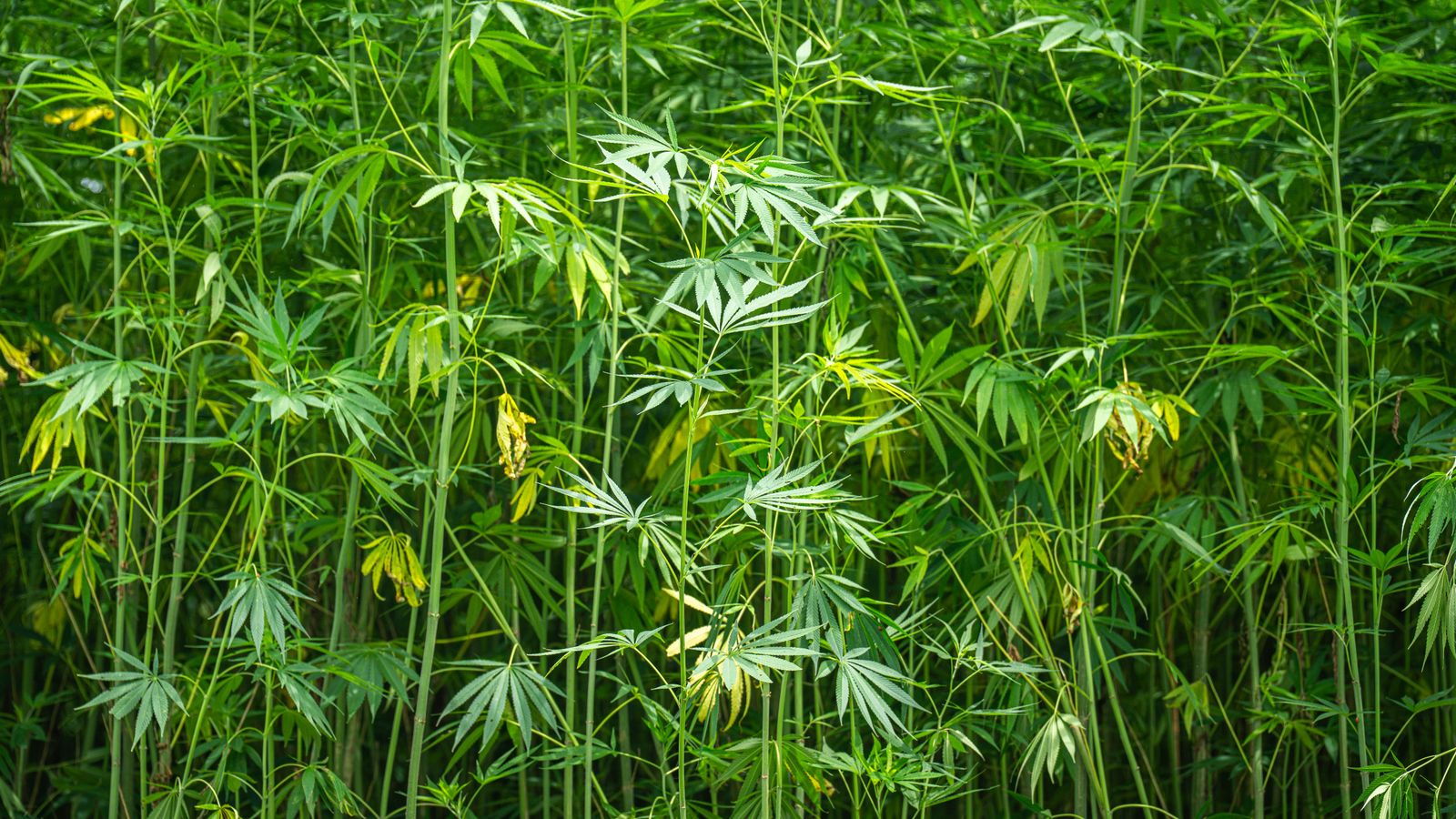
Hemp Businesses and Consumers Brace for Federal Ban Fallout
Industry stakeholders warn of job losses and supply-chain chaos as federal hemp restrictions loom.

Texas THC limits take effect, capping consumable hemp products at 0.5%
New state rules restrict delta-8, delta-9, and THCA concentrations in edibles and beverages starting July 31.
More from the newsroom

Illinois MSO ends 'largest strike' in cannabis history with union deal
Cresco Labs reached a tentative agreement with UFCW Local 881, ending a work stoppage that halted production at multiple Illinois facilities.

Ghana's NACOC Grants Two Companies Cannabis Cultivation Licenses
Ghana's Narcotics Control Commission issues its first pair of cultivation permits, marking a cautious entry into regulated cannabis production.
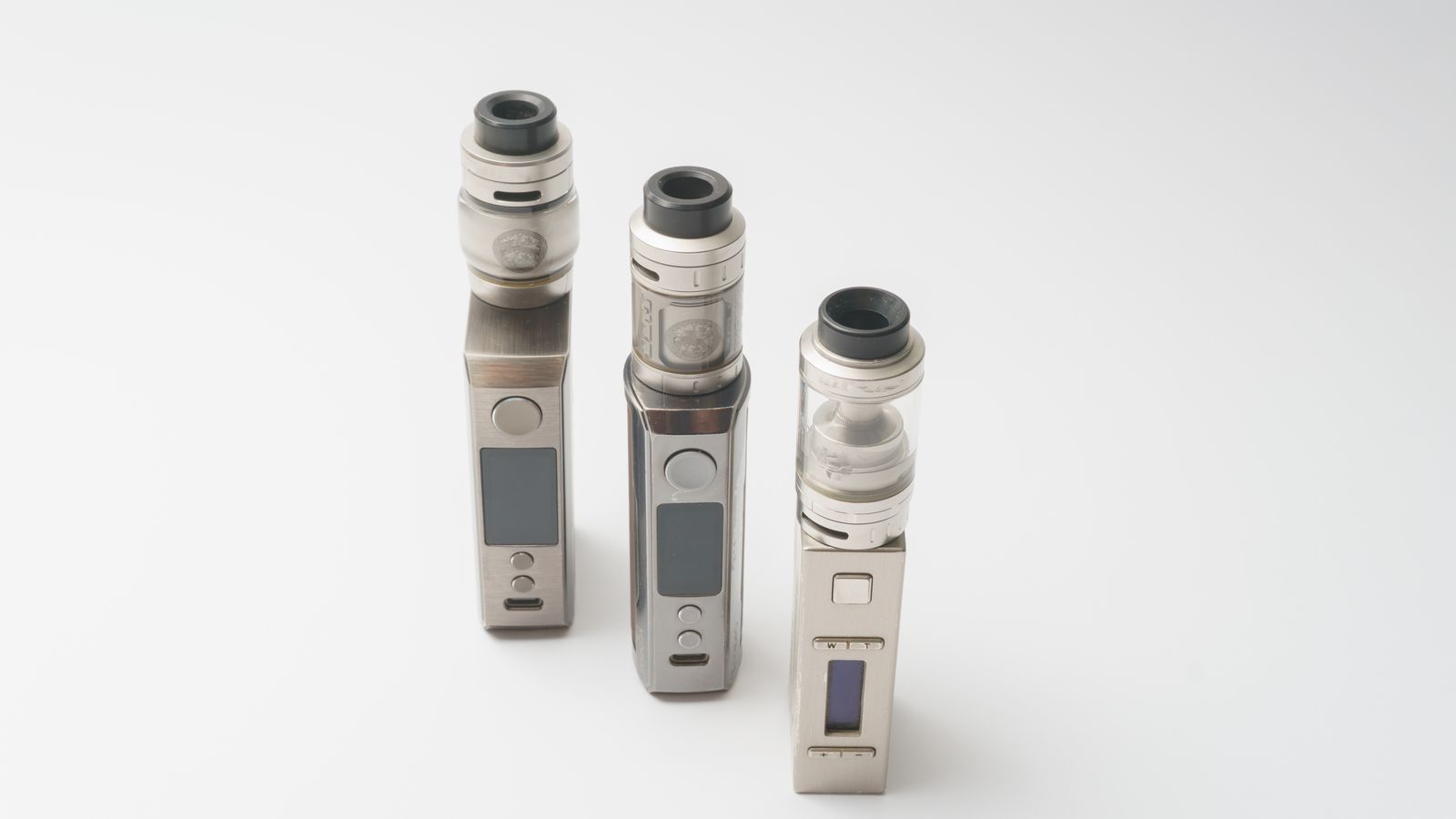
Greentank Closes $20M Strategic Investment from AIR Global
Toronto vaporization hardware maker secures capital from UK-listed distributor in equity deal.