Texas Lt. Gov.-elect Goodwin Puts Marijuana on 2027 Agenda
Vikki Goodwin, Texas's lieutenant governor-elect, listed marijuana alongside education, gambling and Medicaid as priorities ahead of the 2027 legislative session, according to KSAT.
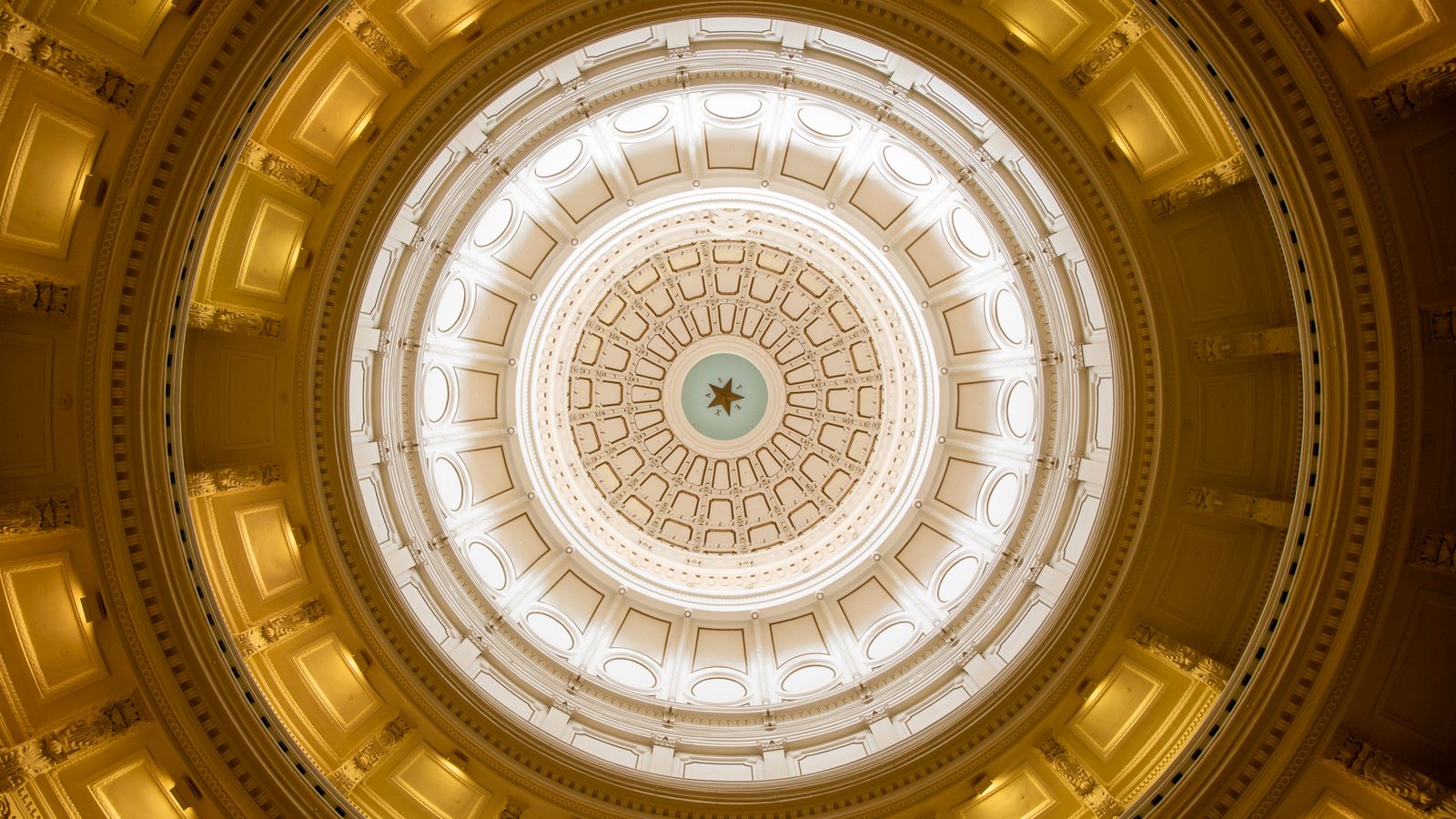
Stunning view of the Texas Capitol dome showcasing intricate architectural design and illumination.
Goodwin Lists Marijuana Among Four Headline Issues
KSAT reported Nov. 11 that Lt. Gov.-elect Vikki Goodwin discussed marijuana, education, gambling and Medicaid as the central bills and challenges ahead of the 2027 session.
What CannIntel has is the headline and publication data of that interview, not a transcript. It doesn't include Goodwin's specific positions, bill numbers or any statutory language. We aren't attributing any stance to her beyond what the headline supports: marijuana is on her list.
That alone is a notable shift in posture. In Texas, the lieutenant governor presides over the Senate, appoints committee chairs and controls which bills reach the floor. Historically, the office has been the main chokepoint for cannabis legislation.
Why the Lieutenant Governor's Office Matters for Cannabis
In Texas, the Senate's presiding officer decides committee assignments and floor access, which makes the office the gatekeeper for any cannabis bill.
On a strict reading of the Texas legislative process, a bill can pass the House and still die without a hearing in a Senate committee whose chair the lieutenant governor appointed. Cannabis measures have repeatedly followed that path. A lieutenant governor who publicly names marijuana as a priority changes the odds of a hearing, though not necessarily the outcome of a vote.
Not yet a policy. A signal.
What the Current Texas Framework Looks Like
Texas currently permits only a restricted medical program and treats most other cannabis activity under its criminal code and its hemp statutes.
The state's Compassionate Use Program covers a limited set of qualifying conditions and low-THC formulations. Adult-use sales aren't authorized. Hemp-derived products occupy a contested space governed by the state's hemp framework, where regulators and lawmakers have debated testing, age limits and sales channels.
CannIntel hasn't verified how Goodwin's remarks relate to any of these existing programs. The headline names marijuana generally, and it doesn't say whether she is addressing medical expansion, decriminalization, hemp regulation or adult-use legalization. Those are materially different bills with different fiscal notes.
The Tax and Compliance Questions Any Bill Would Trigger
Any Texas cannabis expansion would raise state revenue-code questions on excise structure and federal tax questions under IRC §280E.
On the state side, lawmakers would have to choose among a potency-based tax, a weight-based tax or an ad valorem excise, and decide how proceeds are allocated. Texas has no personal income tax, so sales and excise structure would carry the whole revenue case. That's a different fiscal profile than states that layered cannabis levies on top of income taxes.
Federal law adds its own wrinkle. Section 280E denies business deductions to anyone trafficking in Schedule I or II substances, so unless and until marijuana is rescheduled, a Texas licensee would face the same effective-tax-rate problem as operators in every other state: federal tax computed on gross profit rather than net. Any Texas operator's business plan has to model that cost regardless of what Austin passes.
Timing matters too. Texas's legislature meets in regular session only every other year, which makes the 2027 session unforgiving. A bill that misses the 2027 window waits until 2029 absent a special session called by the governor.
What to Watch Before January
The first concrete signals will be pre-filed bills and Senate committee assignments, which will show whether Goodwin's stated interest becomes a hearing schedule.
Operators and investors tracking Texas should watch three items before the session opens: bill pre-filing, the composition of the Senate committees that handle health and criminal justice, and any fiscal estimate attached to a cannabis measure. For full background on this story, see the CannIntel topic hub on Texas cannabis legislation in 2027.
Texas remains a market where intent and outcome diverge. The headline moves the conversation. It doesn't move a single licensing rule. The next signal: the first pre-filed Texas cannabis bill, and which committee draws it.
Sources
The cannabis newsletter you forward to your team.
Federal policy, market data, grower alerts, and the one story that matters today. Sent every weekday at 7am. Free.
No spam. Unsubscribe with one click. 21+ only.
Related from Laws

Newswire Item Says DEA Restricts State Medical Marijuana Operators
A Nov. 11 headline describes DEA action against state medical programs, but names no state, rule or docket, so the claim awaits a primary document.

Peoria City Council votes to allow drive-through cannabis sales
Peoria's council approved drive-through and curbside cannabis sales, a local zoning move that still has to square with Illinois dispensary rules.

Texas Democrats Put Marijuana Push on Five-Item Agenda
A Christian Post list of Democratic priorities in Texas pairs a marijuana push with red flag laws and Medicaid expansion, without bill text.
More from the newsroom

Israel Still Alone in Acting on Canadian Cannabis Dumping Claims
Israel remains the only country to take formal action over below-cost export allegations against Canadian licensed producers, putting export pricing and cost records under scrutiny.

Israel Still Alone in Acting on Canadian Cannabis Dumping Claims
MJBizDaily reports Israel remains the only country to take formal action over allegations that Canadian licensed producers sell cannabis abroad below cost.

Texas Rep. Joe Moody Files Bill to Legalize Marijuana
The El Paso Democrat's filing opens the 2027 session's cannabis fight early, but the bill's text, number and tax structure remain unconfirmed.