Newswire Item Says DEA Restricts State Medical Marijuana Operators
A Nov. 11 headline describes DEA action against state medical programs, but names no state, rule or docket, so the claim awaits a primary document.

Male pharmacist with a turban standing and smiling in a pharmacy, working at the counter.
What the signal actually says
The only confirmed fact is a headline: a newswire.com item dated Nov. 11, 2026, says the DEA has restricted state medical marijuana operators.
According to that headline, the DEA "fenced in" state-licensed medical operators "one state at a time." The item came through newswire.com, a press release distribution service, and reached CannIntel through a Google News feed at 22:30 UTC.
The signal names no state, no rule and no enforcement action. It cites no docket number. Not yet.
What would count as confirmation
A genuine DEA action against state medical programs would leave a paper trail in the Federal Register, DEA registration records or a court docket.
A rulemaking under the Controlled Substances Act would appear as an NPRM with a docket number, and a contested scheduling question would go before a DEA administrative law judge. Enforcement would show up as letters to state regulators or registration decisions, and in civil or criminal filings.
None of those is cited here. A headline isn't a filing.
The legal baseline operators already work under
Marijuana's federal status turns on the schedules in 21 U.S.C. § 812 and on an appropriations rider that limits Justice Department spending against state medical programs.
Under § 812, marijuana has historically been listed in Schedule I. The signal says nothing about any change to that listing. Separately, a rider first enacted in the fiscal 2015 spending package bars the Justice Department from using funds to interfere with state medical marijuana laws, and Congress must renew it with each appropriations cycle.
The Ninth Circuit read that rider in United States v. McIntosh (2016) as limiting prosecutions of operators who comply with state law. Any DEA move that cut against that reading would mean a significant legal fight. Filings would follow.
Why the claim matters to licensees
If the DEA were narrowing state programs state by state, the exposure would fall on licensees, their lenders and their patients.
Scheduling also drives tax treatment: Section 280E of the Internal Revenue Code denies ordinary business deductions to businesses trafficking in Schedule I and II substances. A genuine shift in federal posture, in either direction, would reprice every medical operator's cost of capital and compliance. That's why the claim needs a primary document before anyone acts on it.
For full background on federal scheduling and oversight, see the CannIntel topic hub on DEA rescheduling and medical marijuana oversight.
What to check next
Operators and counsel can verify the claim in three places: the Federal Register's DEA page, the agency's own announcements and their state regulator's bulletins.
State medical programs that received DEA correspondence would typically hear through their licensing agency first, so a regulator notice would be the earliest corroboration.
The next signal: a Federal Register notice or DEA letter that names a state. Until one appears, treat the headline as unverified.
For complete background, history, and our ongoing coverage of this story:
Open the CannIntel topic hub →Sources
The cannabis newsletter you forward to your team.
Federal policy, market data, grower alerts, and the one story that matters today. Sent every weekday at 7am. Free.
No spam. Unsubscribe with one click. 21+ only.
Related from Laws

Peoria City Council votes to allow drive-through cannabis sales
Peoria's council approved drive-through and curbside cannabis sales, a local zoning move that still has to square with Illinois dispensary rules.

Texas Democrats Put Marijuana Push on Five-Item Agenda
A Christian Post list of Democratic priorities in Texas pairs a marijuana push with red flag laws and Medicaid expansion, without bill text.

Texas Rep. Joe Moody Files Bill to Legalize Marijuana
The El Paso Democrat's filing opens the 2027 session's cannabis fight early, but the bill's text, number and tax structure remain unconfirmed.
More from the newsroom

Israel Still Alone in Acting on Canadian Cannabis Dumping Claims
Israel remains the only country to take formal action over below-cost export allegations against Canadian licensed producers, putting export pricing and cost records under scrutiny.

Israel Still Alone in Acting on Canadian Cannabis Dumping Claims
MJBizDaily reports Israel remains the only country to take formal action over allegations that Canadian licensed producers sell cannabis abroad below cost.
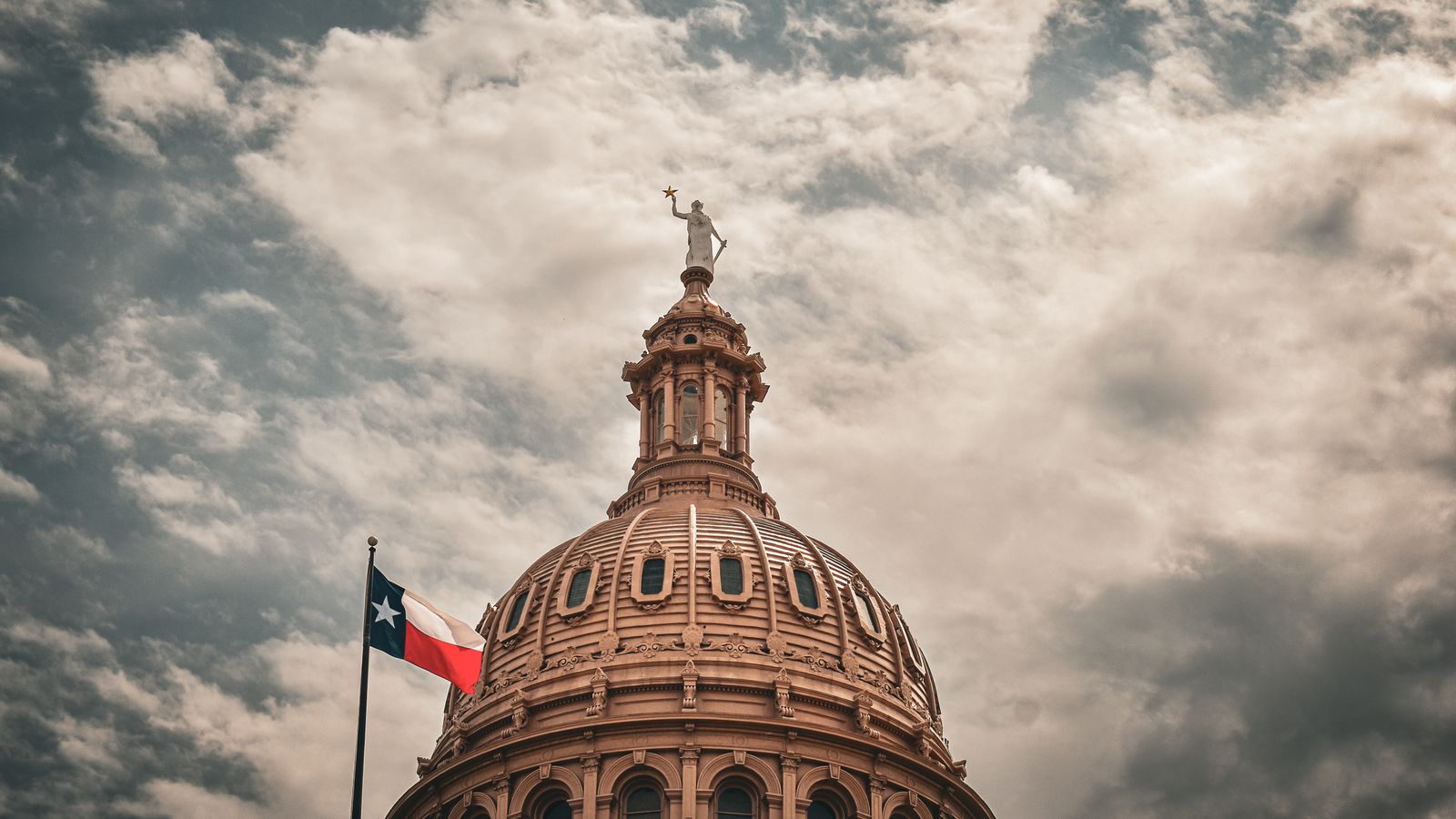
Texas Democrats, Republicans Preview Cannabis Cooperation for 2027
Lawmakers from both parties signaled they'll work together on cannabis policy before the Texas Legislature reconvenes, according to Marijuana Moment.