Tennessee Hemp Retailers Face Major Revenue Losses as New Laws Take Effect July 1
State's revised hemp statute restricts intoxicating cannabinoid sales, forcing retailers to pull products or face compliance penalties.

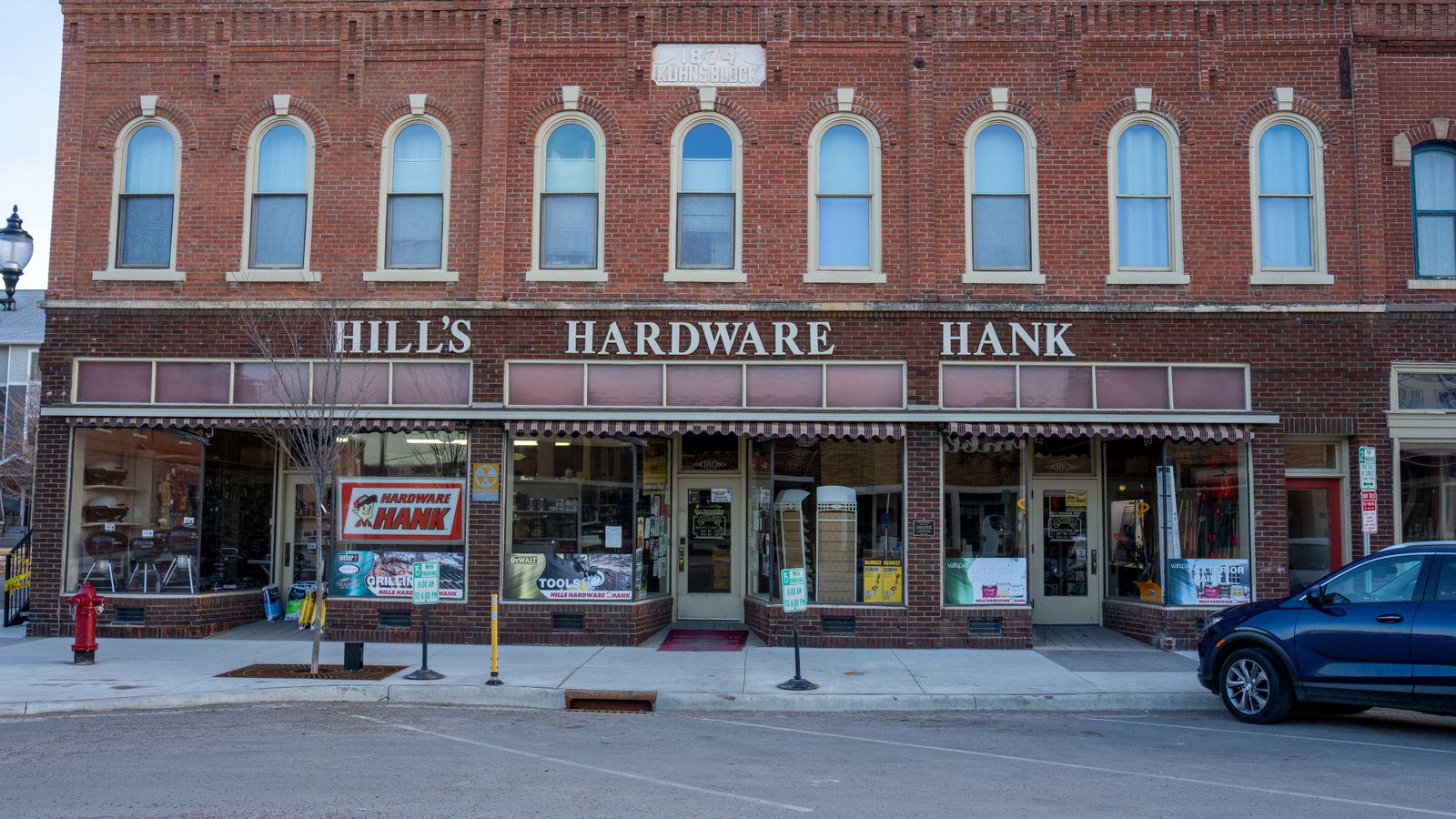
Street view of a CBD and vape store with decorative balcony in an urban area.
Statutory Changes Impose Hard Potency Caps and Product Restrictions
Tennessee's revised hemp law establishes a 0.3% total THC limit on hemp products, measured on a dry-weight basis, and bans the sale of intoxicating hemp-derived cannabinoids in retail channels outside the state's medical cannabis framework. The statute, which passed the Tennessee General Assembly in April 2026, closes the regulatory gap that previously allowed delta-8 THC, delta-10 THC, THCA, and HHC products to be sold as compliant hemp derivatives. Any product containing total THC above 0.3%—including THCA that converts to delta-9 THC when heated—is no longer classified as legal hemp.
The law also mandates third-party lab testing for all hemp products sold in Tennessee. Certificates of analysis must accompany each batch. Retailers must obtain a state-issued hemp retailer license by July 1, 2026, or cease sales. The Tennessee Department of Agriculture will administer the licensing program, with annual fees set at $500 per location.
Retailers who continue selling non-compliant products after July 1 face civil penalties of up to $10,000 per violation and potential criminal misdemeanor charges for repeat offenses. No grace period exists for existing inventory.
Revenue Impact: Retailers Report 40-70% Sales Decline Projections
Hemp retailers in Tennessee estimate that intoxicating cannabinoid products—primarily delta-8 THC vapes, THCA flower, and HHC edibles—account for 40% to 70% of total sales, according to interviews conducted by WGNS Radio with shop owners in Murfreesboro and Nashville. One Murfreesboro retailer told WGNS that delta-8 vapes alone represent 50% of monthly revenue, with THCA flower adding another 15%. He projected a 65% revenue drop if those product lines are removed on July 1.
A Nashville-based hemp shop owner reported similar figures. Customers specifically seek intoxicating hemp products as a legal alternative to marijuana in Tennessee, where adult-use cannabis remains prohibited. The owner said the shop has already begun liquidating delta-8 and THCA inventory at discounted prices to avoid holding non-compliant stock after the effective date.
Many Tennessee hemp retailers operate on thin margins and can't absorb a 40-70% revenue decline without layoffs or closures. Several retailers told WGNS they're considering exiting the hemp market entirely and pivoting to CBD-only products, which remain legal under the new statute but generate significantly lower sales volume.
Compliance Costs: Licensing, Testing, and Inventory Write-Offs
The new law imposes direct compliance costs that will further strain retailer finances, including a $500 annual license fee per location, mandatory third-party lab testing for each product batch, and the write-off of existing non-compliant inventory. For a retailer with three locations, the licensing fees alone total $1,500 annually. Lab testing costs range from $150 to $300 per batch depending on the cannabinoid panel, adding another expense layer for retailers who source products from multiple suppliers.
Retailers must also absorb the cost of unsold inventory that becomes illegal on July 1. One Murfreesboro shop owner estimated $25,000 in delta-8 and THCA inventory that can't be sold after the effective date. The statute doesn't provide a buyback program or amnesty period for existing stock, leaving retailers to either liquidate at a loss or destroy the inventory.
The Tennessee Department of Agriculture hasn't yet published final rules for the licensing application process, leaving retailers uncertain about additional requirements such as background checks, bonding, or insurance mandates. The department's website states that licensing applications will open on June 20, 2026. That gives retailers less than two weeks to complete the process before the July 1 deadline.
Legal Ambiguity: THCA Flower and the 'Total THC' Calculation
The statute's definition of 'total THC' creates legal ambiguity for THCA flower, which contains negligible delta-9 THC in its raw form but converts to delta-9 THC when heated or combusted. Tennessee's law defines total THC as the sum of delta-9 THC and 87.7% of THCA, using the standard decarboxylation conversion factor. Under this formula, raw THCA flower with 20% THCA content would calculate to approximately 17.5% total THC—far exceeding the 0.3% legal threshold.
This interpretation effectively bans THCA flower from the legal hemp market in Tennessee, even though THCA itself is non-intoxicating in its raw form. Retailers have argued that the total THC calculation conflates potential intoxication with actual intoxication, but the statute doesn't provide an exception for non-decarboxylated products. The Tennessee Attorney General's office hasn't issued guidance clarifying whether THCA flower can be sold if labeled 'not for combustion,' leaving retailers to interpret the statute conservatively.
Several Tennessee hemp retailers told WGNS they plan to cease THCA flower sales entirely on July 1 to avoid enforcement risk, despite the product's popularity with customers. THCA flower is often marketed as a legal alternative to marijuana flower, but the new law closes that loophole by measuring total THC rather than delta-9 THC alone.
Enforcement Timeline: Department of Agriculture Ramps Up Inspections
The Tennessee Department of Agriculture has announced plans to conduct unannounced retail inspections beginning July 1, 2026, targeting shops that continue to sell intoxicating hemp products after the law takes effect. According to a department spokesperson quoted by WGNS, inspectors will focus on delta-8 vapes, THCA flower, and HHC edibles—the three product categories most commonly sold in Tennessee hemp shops. Retailers found selling non-compliant products will receive a cease-and-desist order and face civil penalties.
The department has hired six additional compliance officers to support the inspection program, funded by the new licensing fees. Inspectors will request certificates of analysis for all hemp products on-site and may seize inventory that lacks proper documentation or exceeds the 0.3% total THC limit. Repeat violations can result in license suspension or revocation.
Retailers have criticized the department's enforcement approach as overly aggressive. The two-week window between license application opening and the July 1 effective date leaves insufficient time to achieve full compliance, they argue. One Nashville retailer told WGNS that the compressed timeline suggests the state is prioritizing enforcement over education, creating a 'gotcha' environment for small businesses.
Market Consolidation: Independent Retailers Exit, CBD Chains Expand
Industry observers expect the new law to accelerate consolidation in Tennessee's hemp retail market, with independent shops closing and national CBD chains expanding their footprint. Independent retailers, which typically rely on intoxicating cannabinoid sales for the majority of revenue, face a stark choice: pivot to low-margin CBD products or exit the market. National CBD chains, which already focus on compliant CBD topicals, tinctures, and wellness products, are better positioned to absorb the regulatory shift.
One Murfreesboro retailer told WGNS that the shop is considering closing permanently rather than attempting to compete in a CBD-only market dominated by larger chains with better supplier pricing and brand recognition. CBD products generate approximately 30% of the revenue per square foot compared to delta-8 vapes, making it difficult to cover rent and payroll with a compliant product mix.
For context on Tennessee's evolving hemp regulatory landscape, see the CannIntel topic hub on Tennessee hemp regulation, which tracks legislative developments, enforcement actions, and market impacts.
What Retailers Are Watching: Potential Legal Challenges and Federal Preemption
Some Tennessee hemp retailers are exploring legal challenges to the new statute, arguing that the state's total THC definition conflicts with the federal 2018 Farm Bill's delta-9 THC standard and may be preempted by federal law. The Farm Bill defines legal hemp as cannabis containing no more than 0.3% delta-9 THC on a dry-weight basis, with no reference to total THC or THCA. Tennessee's more restrictive definition could be challenged as an impermissible state regulation of interstate commerce in federally legal hemp.
Legal experts note that states retain broad authority to regulate intrastate hemp sales under the Farm Bill's state plan framework. Courts have generally upheld state bans on intoxicating hemp products. A similar challenge in Kentucky failed in 2024, with the state court ruling that Kentucky's delta-8 ban didn't conflict with federal hemp law. Tennessee retailers considering litigation face long odds and high costs, with no guarantee of a preliminary injunction before July 1.
Retailers are also monitoring potential federal action on intoxicating hemp products. The U.S. Food and Drug Administration has signaled interest in regulating delta-8 THC and other hemp-derived cannabinoids, but hasn't issued final rules. A federal regulatory framework could preempt Tennessee's law, but any such action is unlikely before the July 1 state deadline.
Frequently asked questions
What hemp products will be illegal in Tennessee after July 1, 2026?
Products containing intoxicating hemp-derived cannabinoids—including delta-8 THC, delta-10 THC, THCA, and HHC—will be illegal if they exceed 0.3% total THC on a dry-weight basis. The total THC calculation includes delta-9 THC plus 87.7% of THCA, effectively banning THCA flower and most delta-8 vapes.
Do Tennessee hemp retailers get a grace period for existing inventory?
No. The statute doesn't include a grace period or amnesty window for existing inventory. Retailers must remove all non-compliant products by July 1, 2026, or face civil penalties up to $10,000 per violation and potential criminal charges for repeat offenses.
How much will Tennessee's new hemp licensing cost retailers?
The Tennessee Department of Agriculture charges $500 per location annually for a hemp retailer license. Retailers must also pay for mandatory third-party lab testing, which costs $150-$300 per product batch depending on the cannabinoid panel. Multi-location retailers face proportionally higher costs.
Can Tennessee retailers challenge the new hemp law in court?
Some retailers are exploring legal challenges based on federal preemption, arguing Tennessee's total THC definition conflicts with the 2018 Farm Bill's delta-9 THC standard. However, similar challenges in other states have failed, and courts generally uphold state authority to regulate intrastate hemp sales under the Farm Bill's state plan framework.
What is the difference between delta-9 THC and total THC under Tennessee law?
Delta-9 THC is the primary intoxicating cannabinoid in cannabis, measured in its active form. Total THC includes delta-9 THC plus 87.7% of THCA, which converts to delta-9 THC when heated. Tennessee's 0.3% limit applies to total THC, not just delta-9 THC, making the threshold more restrictive than the federal Farm Bill standard.
Sources
The cannabis newsletter you forward to your team.
Federal policy, market data, grower alerts, and the one story that matters today. Sent every weekday at 7am. Free.
No spam. Unsubscribe with one click. 21+ only.
Related from Laws

Milwaukee Cannabis Buyers Still Cross Illinois Border as Wisconsin Holds Out
Wisconsin remains one of twelve states with full adult-use prohibition, driving Milwaukee consumers to Illinois dispensaries.

Texas Expands Medical Cannabis Access for Veterans Under New Policy
State officials clarify eligibility rules as veteran enrollment in the Compassionate Use Program reaches new highs.

Ohio Hemp THC Ban Takes Effect, Ending Legal Intoxicating Products
New state law prohibits intoxicating hemp-derived cannabinoids and THC beverages as of June 13, 2026.
More from the newsroom

South Africa's Cannabis Exports Surge as Legal Dagga Industry Scales
Export volumes jumped sharply in 2025-26, powered by licensed growers targeting EU and North American markets.
Crystal, Minnesota Mayor Opens City's First Cannabis Dispensary
Jim Adams becomes the first sitting mayor in the Twin Cities metro to operate a retail cannabis store.

EC and PPM Meters for Cannabis: What You Actually Need
The $20 TDS pen works until it doesn't. Here's what breaks, what matters, and when Bluelab's $200 premium actually pays off in commercial grows.