Crystal, Minnesota Mayor Opens City's First Cannabis Dispensary
Jim Adams becomes the first sitting mayor in the Twin Cities metro to operate a retail cannabis store.
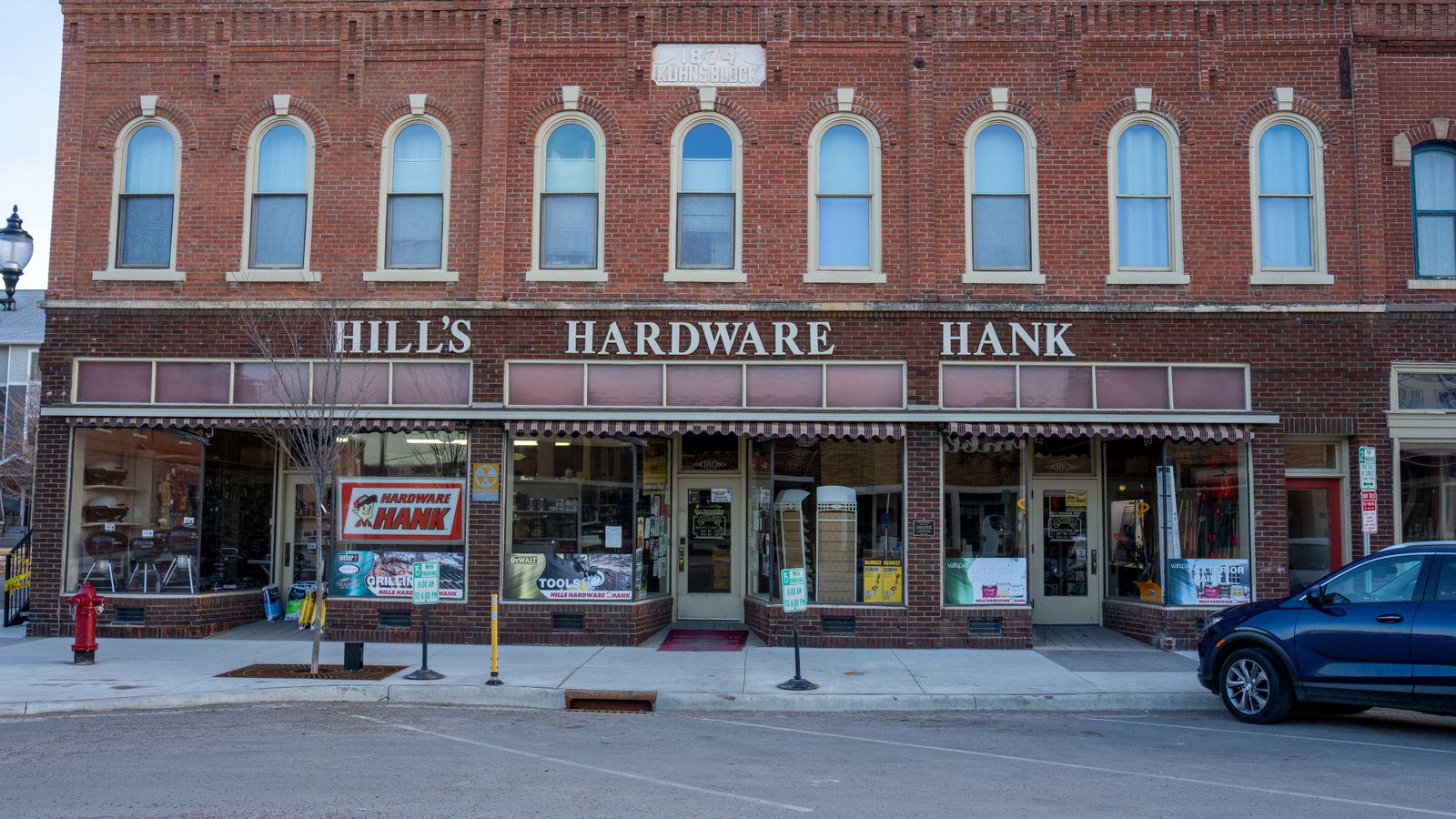
Charming brick facade of Hill's Hardware Hank in Wabasha, Minnesota.
Mayor Operates Dispensary in Twin Cities Suburb
Crystal Mayor Jim Adams launched the city's inaugural adult-use cannabis dispensary on June 13, operating the retail location while serving in elected office. The store marks the first dispensary in Crystal, a Minneapolis suburb of approximately 23,000 residents. Adams is now the only sitting mayor in the seven-county metro operating a licensed cannabis retail business.
Minnesota's adult-use program began issuing retail licenses in early 2026 following the state's 2023 legalization statute. Crystal's city council approved cannabis retail zoning in late 2025, clearing the path for licensed operators.
Dual Role Raises Municipal Governance Questions
Adams' simultaneous roles as mayor and dispensary owner create a novel governance scenario in Minnesota's rollout. He'll oversee municipal cannabis policy while operating a business subject to those same local regulations—zoning restrictions, operating-hour ordinances, and tax collection mechanisms.
Minnesota statute doesn't prohibit elected officials from holding cannabis retail licenses. The state's Office of Cannabis Management (OCM) reviews applicants for criminal history and financial compliance but doesn't bar public officeholders from licensure.
Crystal Joins Growing Twin Cities Dispensary Map
The Crystal location adds to a Twin Cities metro dispensary count that reached 14 stores across seven counties by mid-June 2026. Minneapolis leads with five operational dispensaries. St. Paul has three. Suburban cities including Bloomington, Edina, and now Crystal account for six locations.
OCM data shows 127 retail license applications submitted statewide as of June 1, with 41 licenses issued and 29 stores operational. The agency projects 60-75 dispensaries open by year-end 2026.
Retail Model and Product Sourcing
Adams' dispensary sources inventory from Minnesota-licensed cultivators under the state's vertical integration rules, which allow retailers to purchase from any licensed grower. Minnesota doesn't require vertical integration, unlike Illinois and New York, enabling independent retailers to operate without owning cultivation facilities.
The Crystal store's product menu and pricing structure weren't disclosed in available reporting. Minnesota's 10% retail cannabis tax applies to all adult-use sales, with revenue split between state general funds (60%) and local jurisdictions (40%).
What to Watch in Minnesota's Rollout
Crystal's dispensary launch occurs as Minnesota regulators finalize delivery and online-ordering rules expected by August 2026. The OCM's next license lottery, scheduled for July 15, will award 30 additional retail permits. Priority scoring goes to social-equity applicants.
Adams hasn't announced whether he'll seek re-election in 2027. Crystal's next municipal election cycle begins candidate filing in May 2027, six months before voters decide whether a dispensary-operating mayor remains in office.
For ongoing coverage of Minnesota's cannabis program, see the CannIntel topic hub on Minnesota Cannabis Rollout.
Frequently asked questions
Can elected officials own cannabis dispensaries in Minnesota?
Yes. Minnesota law does not prohibit elected officials from holding cannabis retail licenses. The Office of Cannabis Management reviews applicants for criminal history and financial compliance but does not bar public officeholders from licensure.
How many cannabis dispensaries are open in the Twin Cities metro?
As of mid-June 2026, 14 adult-use dispensaries operate across the seven-county Twin Cities metro area. Minneapolis has five stores, St. Paul has three, and suburban cities including Crystal, Bloomington, and Edina account for six locations.
What is Minnesota's cannabis retail tax rate?
Minnesota applies a 10% retail cannabis tax to all adult-use sales. Revenue is split with 60% going to state general funds and 40% distributed to local jurisdictions where sales occur.
Does Minnesota require vertical integration for cannabis retailers?
No. Minnesota allows independent retailers to purchase inventory from any state-licensed cultivator without owning grow facilities, unlike vertically integrated markets such as Illinois and New York.
When will Minnesota issue more retail cannabis licenses?
The Office of Cannabis Management will conduct its next retail license lottery on July 15, 2026, awarding 30 additional permits with priority scoring for social-equity applicants.
Sources
The cannabis newsletter you forward to your team.
Federal policy, market data, grower alerts, and the one story that matters today. Sent every weekday at 7am. Free.
No spam. Unsubscribe with one click. 21+ only.
Related from Business

South Africa's Cannabis Exports Surge as Legal Dagga Industry Scales
Export volumes jumped sharply in 2025-26, powered by licensed growers targeting EU and North American markets.

Curaleaf Launches Premium Flower in Germany as Market Matures
U.S. MSO debuts Select Elite brand in German pharmacies, signaling shift from medical-only access to premium consumer positioning.
Virginia Marijuana Sales Deal Could Reshape Danville, Pittsylvania Markets
A proposed retail agreement threatens to redraw competitive lines in southern Virginia's nascent cannabis market.
More from the newsroom

Texas Expands Medical Cannabis Access for Veterans Under New Policy
State officials clarify eligibility rules as veteran enrollment in the Compassionate Use Program reaches new highs.

Ohio Hemp THC Ban Takes Effect, Ending Legal Intoxicating Products
New state law prohibits intoxicating hemp-derived cannabinoids and THC beverages as of June 13, 2026.

EC and PPM Meters for Cannabis: What You Actually Need
The $20 TDS pen works until it doesn't. Here's what breaks, what matters, and when Bluelab's $200 premium actually pays off in commercial grows.