Switzerland Expands Pharmacy-Led Cannabis Pilot to 20 Cities
Federal regulators extend pharmacy distribution model through 2028 as early data shows safety gains over street-market access.
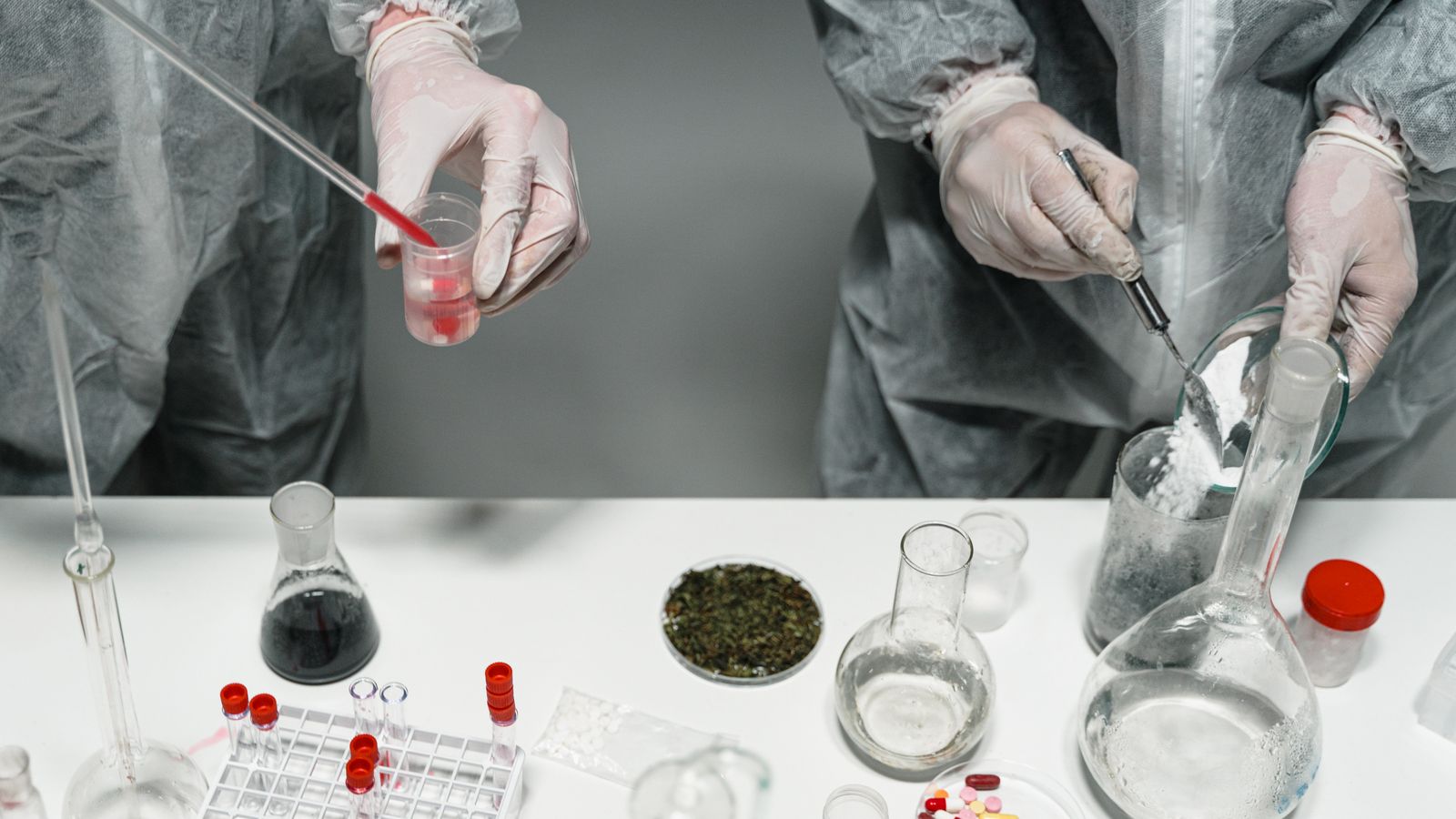
Scientists in protective gear conducting experiments in a modern laboratory setting.
Pilot Now Covers Fifth of Swiss Population
The expanded pilot includes Basel, Bern, Geneva, Lausanne, and Zurich, reaching roughly 20% of Switzerland's population. Participants aged 18 and older register with a participating pharmacy, undergo a health screening by a pharmacist or physician, and receive a purchase card allowing up to 10 grams per month. Federal Office of Public Health (FOPH) approved the expansion based on interim safety data from the initial Basel and Zurich trials, which began in August 2023.
Each pharmacy sources cannabis from one of four licensed Swiss cultivators operating under FOPH oversight. Products are tested for potency, pesticides, and microbial contamination before distribution. THC limits remain capped at 20% for flower and 10% for concentrates—consistent with the original pilot parameters.
Safety Data Drives Federal Approval
Preliminary findings from the Basel cohort show no increase in emergency-room visits or driving incidents among registered users compared to a matched control group. According to a September 2026 FOPH briefing document, 89% of participants reported substituting pharmacy cannabis for illicit-market purchases, and 12% reduced alcohol consumption. The agency cited these outcomes as justification for the geographic expansion.
The pharmacy model appears to reduce harm by ensuring product quality and embedding health counseling at the point of sale, according to the FOPH briefing.
Researchers at the University of Basel are tracking longitudinal health outcomes, including respiratory function, mental-health markers, and substance-use patterns. Full results? Early 2029.
Pharmacists Required to Complete Training Module
Participating pharmacies must complete a 12-hour FOPH training course covering cannabinoid pharmacology, dosing guidance, contraindications, and referral protocols for problem use. Pharmacists conduct a baseline health screen before issuing a purchase card and are required to flag high-frequency purchasers for follow-up counseling. Screening includes questions about prior substance use, mental-health history, and current medications.
Pharmacies receive a per-transaction fee of 15 Swiss francs (approximately $17 USD) to offset counseling time. FOPH hasn't disclosed total program costs but confirmed that pilot funding comes from federal public-health allocations, not cannabis tax revenue.
Four Licensed Cultivators Supply Program
Swiss cultivators Pure Production AG, Medropharm, Cannical, and Emery Pharma hold the four federal licenses to supply pilot pharmacies. Each cultivator operates under Good Manufacturing Practice (GMP) standards and submits quarterly production reports to FOPH. Flower retails between 10 and 14 Swiss francs per gram, slightly below black-market pricing in Zurich and Geneva.
Cultivators can't sell pilot-program cannabis outside Switzerland or divert it to export markets. FOPH conducts unannounced facility inspections and can revoke licenses for non-compliance. No violations have been reported since the pilot launched.
Legal Status Remains Experimental
The pilot operates under a federal exemption to Switzerland's Narcotics Act, which still classifies cannabis as a controlled substance. Participants aren't permitted to grow their own cannabis, share purchases with non-registered users, or consume in public spaces. Violations can result in removal from the program and referral to local law enforcement.
Switzerland's parliament hasn't introduced legislation to legalize adult-use cannabis outside the pilot framework. FOPH has stated that any broader reform will depend on the final evaluation of the pilot program, expected in 2029. For now, the pharmacy model remains the only legal pathway for recreational access in Switzerland. Full background on the program's origins and structure is available at the CannIntel topic hub on Switzerland's cannabis pilot.
Enforcement remains fragmented. Cantonal police in Zurich and Basel have deprioritized possession arrests for small amounts, while rural cantons continue to prosecute—creating a patchwork where legality hinges on geography and registration status, a dynamic that will likely persist until federal law changes.
For complete background, history, and our ongoing coverage of this story:
Open the CannIntel topic hub →Frequently asked questions
Who can participate in Switzerland's pharmacy cannabis pilot?
Residents aged 18 and older in the 20 pilot cities can register at participating pharmacies. Registration requires a health screening and excludes individuals with certain mental-health conditions or substance-use disorders. Participants receive a purchase card allowing up to 10 grams per month.
How much does cannabis cost in the Swiss pharmacy pilot?
Flower retails between 10 and 14 Swiss francs per gram (approximately $11-$16 USD), slightly below black-market rates in Zurich and Geneva. Pharmacies add a 15-franc counseling fee per transaction, which is covered by federal pilot funding.
Is Switzerland legalizing recreational cannabis?
Not yet. The pharmacy pilot operates under a federal exemption to the Narcotics Act, which still classifies cannabis as controlled. Full legalization will depend on the pilot's final evaluation in 2029. Possession and use outside the pilot remain illegal.
What safety measures are required for Swiss pharmacy cannabis?
All products are tested for potency, pesticides, and contaminants by FOPH-certified labs. THC is capped at 20% for flower and 10% for concentrates. Pharmacists complete 12-hour training on dosing, contraindications, and referral protocols before dispensing.
Which Swiss cities are part of the cannabis pilot?
The expanded pilot includes Basel, Bern, Geneva, Lausanne, Zurich, and 15 smaller municipalities. It covers approximately 20% of Switzerland's population and runs through December 2028. Additional cities may join pending FOPH approval.
Sources
The cannabis newsletter you forward to your team.
Federal policy, market data, grower alerts, and the one story that matters today. Sent every weekday at 7am. Free.
No spam. Unsubscribe with one click. 21+ only.
Related from Laws

Boston Mayor Joins Effort to Protect Massachusetts Legal Cannabis
Boston's mayor backed an effort to protect Massachusetts' adult-use market on Oct. 14, putting the state's largest city behind the campaign.

DEA Judge Orders Agency To Answer Rescheduling Discovery Request
A DEA hearing judge told the agency to respond to opponents' bid for new testimony and discovery, tied to a watchdog report on 'gaps' in its review process.

Boston Mayor Wu Opposes Massachusetts Marijuana Rollback Measure
Boston Mayor Michelle Wu said she will vote against the November initiative to roll back Massachusetts' legalization law, citing her 2016 support.
More from the newsroom

Woody Harrelson Says Cannabis Should Return to Its Roots
GreenState reports the actor and longtime reform advocate wants the plant's culture back to basics, a message that tests the celebrity-brand boom.

Oklahoma Lawmaker Urges Pause on Medical Marijuana Rule Changes
A state lawmaker said the Legislature should stop revising Oklahoma's medical cannabis rules and let earlier changes show results, Oklahoma Voice reported.
DEA opposes additional rescheduling briefing on GAO report
The agency told Cannabis Wire it opposes another briefing tied to a GAO report, adding friction to a rescheduling process hemp operators are watching.