States Tighten Hemp-THCA Rules While Adult-Use Access Expands
Regulatory divergence accelerated last week as states moved to restrict intoxicating hemp while expanding licensed cannabis markets.
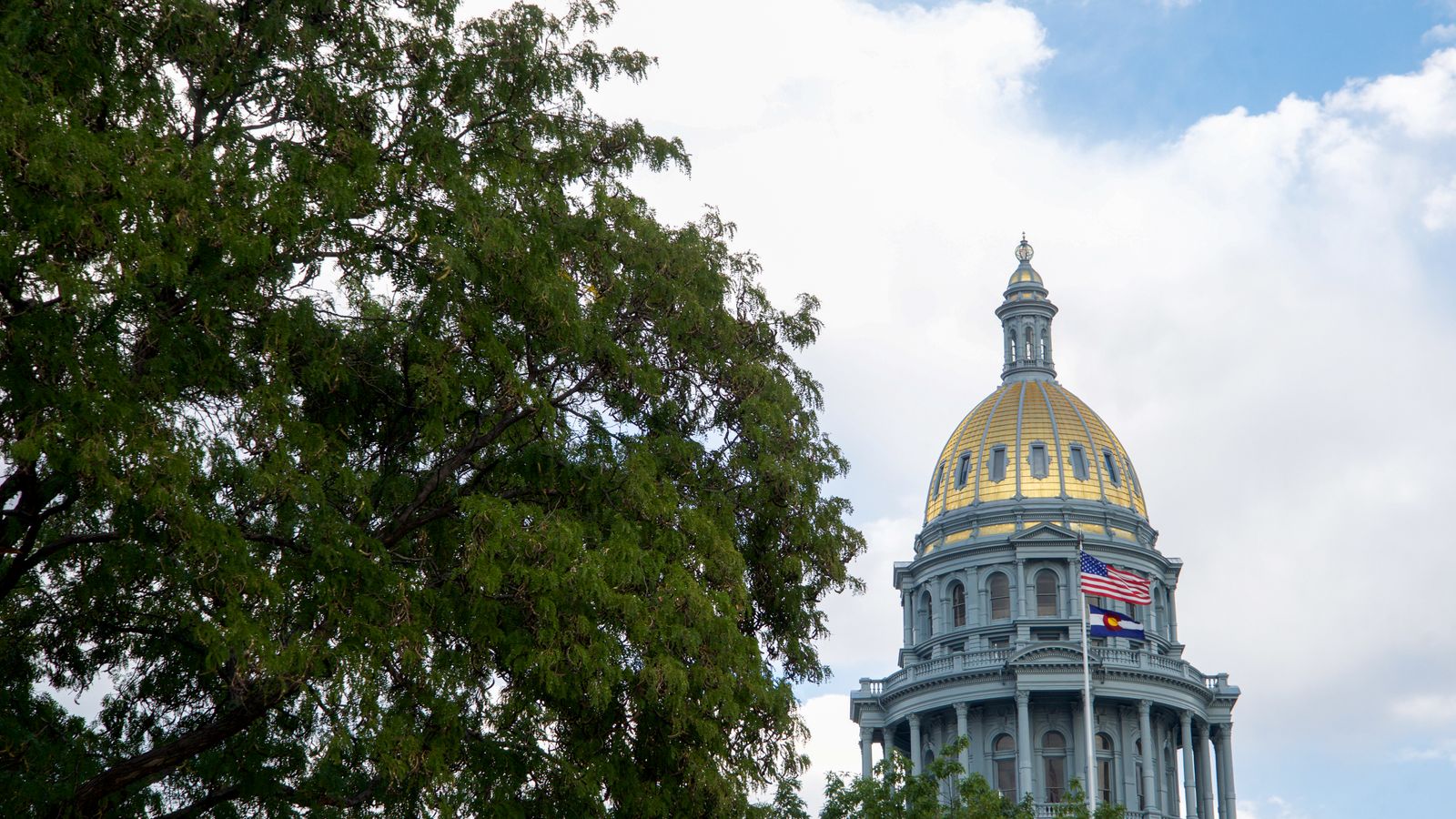
The Denver State Capitol building with its iconic gold dome under a clear blue sky.
Hemp-THCA Crackdown Accelerates Across Multiple States
At least three states moved to restrict or ban intoxicating hemp products last week, targeting delta-8 THC, THCA flower, and other synthetically derived cannabinoids. The enforcement actions reflect growing state concern over products sold outside licensed cannabis frameworks under the 2018 Farm Bill's 0.3% delta-9 THC limit.
State regulators are increasingly focused on total THC content rather than the federal statute's delta-9-only threshold. THCA (tetrahydrocannabinolic acid) converts to delta-9 THC through decarboxylation when heated. That means hemp flower sold as "THCA flower" can deliver intoxicating effects identical to traditional cannabis despite testing below 0.3% delta-9 THC in its raw state.
The regulatory gap has created a parallel market that competes directly with licensed operators. Those operators face significantly higher compliance costs, tax burdens including 280E limitations, and stricter testing requirements.
Licensed Adult-Use Markets Expand Despite Hemp Crackdown
Concurrent with hemp restrictions, multiple states advanced licensed adult-use programs through new dispensary openings, expanded cultivation licenses, or regulatory framework implementations. The dual movement suggests states are attempting to close unregulated channels while building out compliant infrastructure.
States appear to be drawing a bright line: intoxicating products must flow through licensed, taxed channels subject to testing and tracking requirements.
This enforcement posture creates operational risk for retailers who built business models around Farm Bill compliance. Conversion timelines vary. Some states issued immediate cease-and-desist orders while others announced phased compliance windows extending into 2027.
Total-THC Testing Standard Gains Momentum
The shift from delta-9-only to total-THC measurement represents the most significant technical change in hemp enforcement since the 2018 Farm Bill. Total THC calculations include both delta-9 THC and THCA multiplied by a conversion factor (typically 0.877), capturing the compound's intoxicating potential after decarboxylation.
States adopting total-THC standards effectively eliminate the THCA loophole. Hemp flower containing 10% THCA would calculate to approximately 8.77% total THC, far exceeding the 0.3% federal threshold and reclassifying the product as marijuana under state law.
This recalibration leaves hemp farmers and processors facing inventory write-offs if their flower was cultivated for THCA content. Enforcement variance across state lines creates interstate commerce complications for producers operating in multiple jurisdictions.
Enforcement Timelines and Compliance Windows Remain Unsettled
Implementation details varied widely across last week's regulatory actions, with some states offering 30-90 day compliance windows while others ordered immediate removal of non-compliant products from retail shelves. The inconsistency reflects the absence of federal guidance on intoxicating hemp derivatives.
Retailers in states with immediate bans face inventory losses and potential civil penalties. Those in jurisdictions with phased timelines have narrow windows to liquidate stock or reformulate products to meet new standards, a technical challenge given that lowering THCA content requires different cultivars or processing methods.
For comprehensive tracking of state-by-state hemp and THCA enforcement developments, see the CannIntel topic hub on State Cannabis Regulation 2026.
Enforcement approaches will likely continue diverging until federal agencies issue clearer guidance on intoxicating hemp derivatives or Congress amends the Farm Bill's THC threshold to capture total THC. Until then, operators must navigate a patchwork regulatory landscape with limited advance notice of rule changes.
Sources
The cannabis newsletter you forward to your team.
Federal policy, market data, grower alerts, and the one story that matters today. Sent every weekday at 7am. Free.
No spam. Unsubscribe with one click. 21+ only.
Related from Laws

Kentucky Op-Ed Calls Federal Hemp Ban 'Self-Inflicted Wound'
A Kentucky Lantern op-ed by Laura Freeman, republished by Marijuana Moment, blames hemp operators for the looming federal ban, citing a grandson's hospitalization.

Federal Hemp Ban Looms as Op-Ed Blames Industry's Self-Regulation Failure
A Marijuana Moment op-ed calls next month's federal intoxicating-hemp prohibition a self-inflicted wound, putting the compliance and tax consequences of the cutoff squarely on operators.
Federal Hemp THC Ban Nears; Some States Plan to Keep Selling
Washington's redefinition of hemp is set to pull most intoxicating THC products off the federal safe harbor, but state regulators are signaling they won't follow.
More from the newsroom

California Sheriff Reports 235,000-Pound Illegal Cannabis Seizure
A California sheriff's office says deputies seized roughly 235,000 pounds of illegal cannabis in a single bust, one of the larger figures reported this year.

NDLEA arrests South African golfer, Kenyan chef over 50kg cannabis
Nigeria's drug enforcement agency detained two foreign nationals over a 50kg cannabis shipment, according to a Nigerian Bulletin report, with few operational details public so far.

Judge lets Illinois hemp law proceed, per Capitol City Now
A ruling reported by Capitol City Now clears the way for Illinois' hemp law to move forward, though the signal leaves key details unconfirmed.