Federal Hemp THC Ban Nears; Some States Plan to Keep Selling
Washington's redefinition of hemp is set to pull most intoxicating THC products off the federal safe harbor, but state regulators are signaling they won't follow.
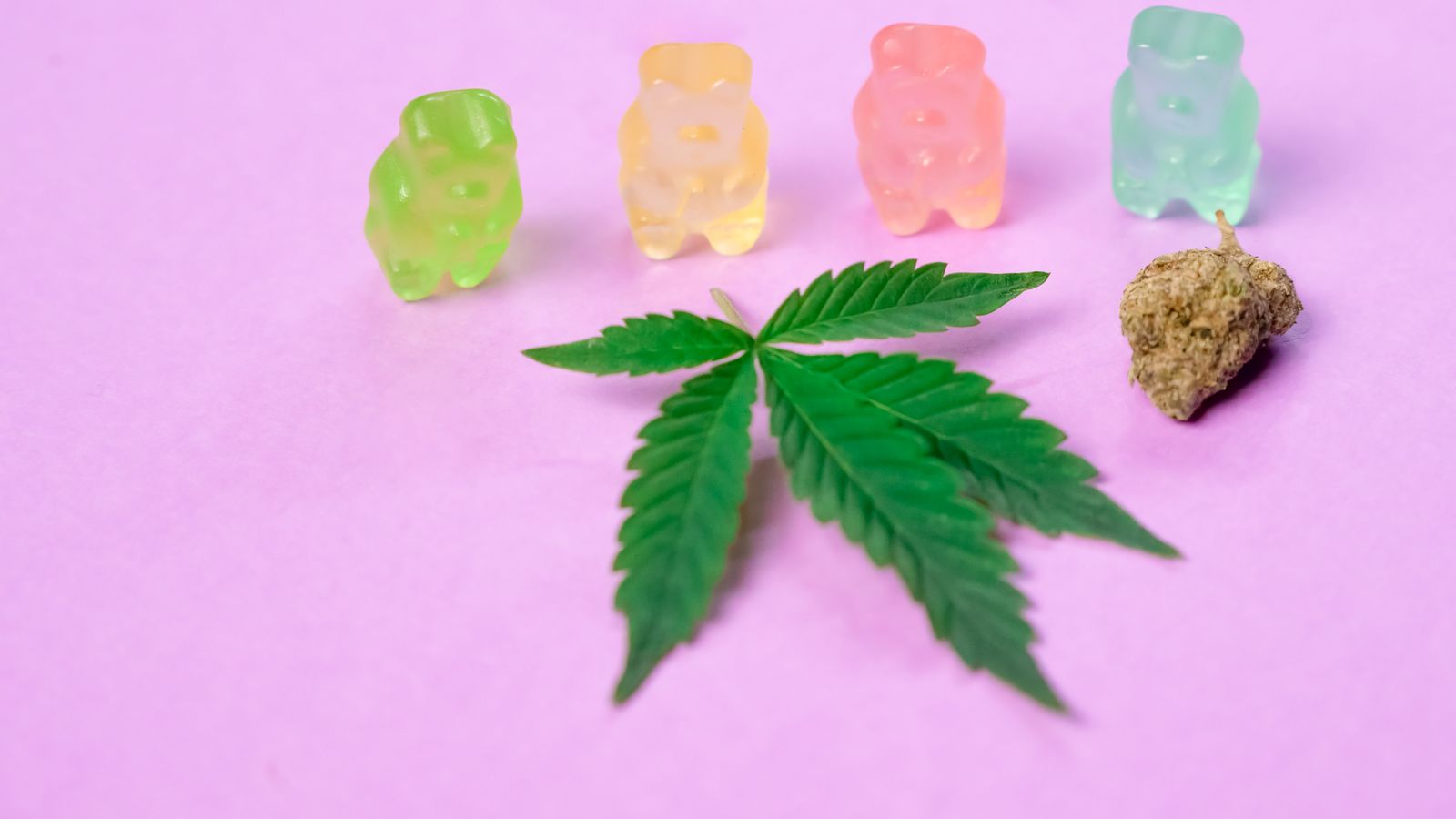
Vibrant gummy bears with a cannabis leaf and bud on a pastel pink background.
A federal definition change does the work
The ban operates through the statutory definition of hemp, not through a new scheduling action. On a strict reading, any product that falls outside the redefined term reverts to marijuana status under the Controlled Substances Act.
High Times Magazine described that mechanism in its Nov. 22 report. Most intoxicating hemp-derived THC products, including beverages, gummies, and vapes built on converted cannabinoids, would lose the 2018 Farm Bill carve-out that let them move in interstate commerce.
Details on the final text, effective date, and any grace period weren't included in the signal data reviewed for this story. Operators should read the enacted language directly before modeling exposure. Our topic hub on the federal hemp THC ban tracks those provisions as they firm up.
States are signaling they will keep selling
High Times reported that some states intend to continue allowing hemp THC sales despite the federal change. It's the same posture state-legal marijuana markets have held for more than a decade.
Texas, Ohio, and California have each wrestled with intoxicating hemp in recent sessions, through licensing proposals, emergency rules, or outright restrictions. Where a state keeps its regime in place, the product stays legal under state law while sitting in a federal gray zone. Not a stable place to build a balance sheet.
The practical question for operators is no longer whether a product is legal in their state, but whether their banks, processors, and insurers will keep treating it as legal.
The compliance and tax exposure is the real story
Reclassification would pull hemp THC sellers toward the same tax treatment marijuana operators already face. If federal law treats a product as marijuana, IRC §280E, which bars deductions and credits for businesses trafficking in Schedule I or II substances, becomes a live question for any business selling it.
Under a strict reading of §280E, only ordinary cost of goods sold would remain deductible. A hemp beverage maker that now deducts rent, payroll, and marketing as ordinary business expenses could lose most of those deductions. Whether an enforcement posture emerges is a separate matter. The signal doesn't address it.
State excise and sales tax regimes add a second layer. A state that keeps taxing hemp THC collects revenue on a product Washington says shouldn't exist. That tension will surface in audits, bank due diligence, and licensing renewals. Operators in permissive states should document their state authority now, separate hemp and marijuana inventory cleanly, and get tax counsel on 280E exposure before the effective date, not after.
What to watch next: the enacted effective date, any transition period for existing inventory, and the first state attorney general to say publicly whether it will defer to the federal definition.
For complete background, history, and our ongoing coverage of this story:
Open the CannIntel topic hub →Frequently asked questions
How would the federal ban on hemp THC work?
It works through the statutory definition of hemp. Products falling outside the revised definition lose the 2018 Farm Bill carve-out and revert to marijuana status under the Controlled Substances Act, according to High Times Magazine's reporting.
Can states still sell hemp THC products after the federal change?
Some states plan to, per High Times. State law can keep a product licensed locally, but it would remain in conflict with federal law, similar to state-legal marijuana markets.
Does IRC §280E apply to hemp THC businesses?
Potentially. If products are reclassified as marijuana under federal law, §280E's bar on deductions for trafficking in controlled substances could become a live question. Operators should consult tax counsel.
When does the federal hemp THC ban take effect?
The signal data reviewed did not specify an effective date or grace period. Operators should read the enacted statutory text directly.
Sources
The cannabis newsletter you forward to your team.
Federal policy, market data, grower alerts, and the one story that matters today. Sent every weekday at 7am. Free.
No spam. Unsubscribe with one click. 21+ only.
Related from Laws

Judge lets Illinois hemp law proceed, per Capitol City Now
A ruling reported by Capitol City Now clears the way for Illinois' hemp law to move forward, though the signal leaves key details unconfirmed.

Massachusetts Makes Drive-Thru Cannabis Sales Official
MassLive reports drive-thru weed is now officially allowed in Massachusetts, a change that raises licensing, local-control and compliance questions for operators statewide.

Schnell Takes Cannabis Expungement Board Director Post
A Wisevoter-indexed report says Schnell has taken the director job at a cannabis expungement board, but the signal omits the state, the board and the start date.
More from the newsroom

MediPharm Prepares European Launch of Cannabis Inhaler
A Newsweed report says MediPharm is readying a cannabis inhaler for European markets, but the signal supplies no launch date, country list or financial terms.

Green Wednesday Grows Into Cannabis Retail's Second 4/20
The Wednesday before Thanksgiving has become a fixture on the dispensary calendar, driven by holiday gatherings and shoppers stocking up before stores close.

Atlantic City's Cannabis Hub Bet Meets Vacancies, FBI Probe
An Inquirer investigation says Atlantic City's push to become the East Coast's cannabis hub has produced empty retail space and a federal inquiry.