State AGs Sue to Block Trump Administration Marijuana Rescheduling
Coalition of state attorneys general files federal lawsuit challenging DEA's authority to move cannabis to Schedule III.

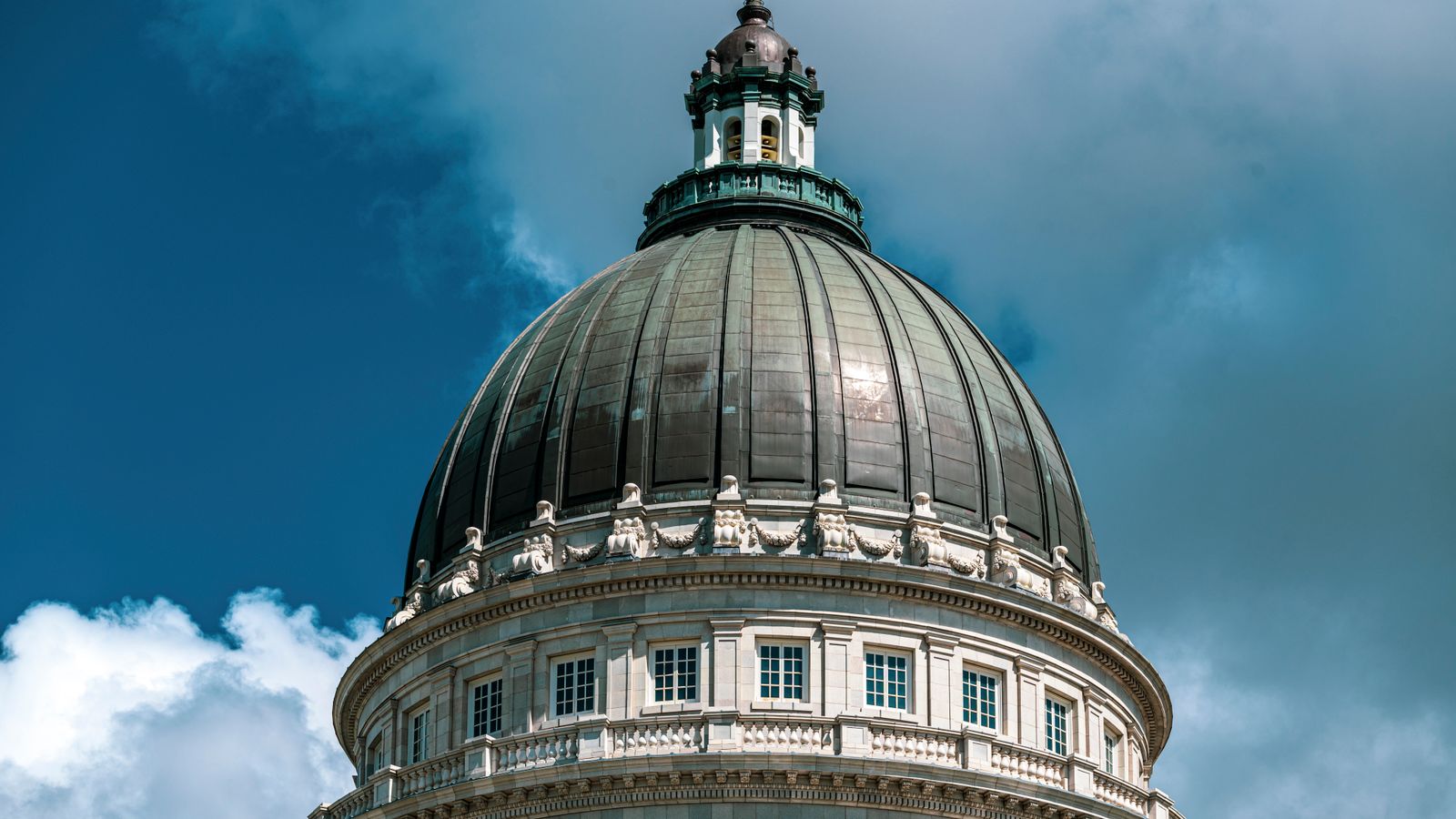
Front view of the iconic Supreme Court building with classical columns and majestic architecture.
Legal Challenge Targets DEA Rescheduling Authority
The lawsuit challenges the DEA's legal authority to reschedule cannabis without completing mandatory procedural steps required under the Administrative Procedure Act and the National Environmental Policy Act. Filed in federal district court, the complaint names the DEA, the Department of Justice, and the Department of Health and Human Services as defendants. State attorneys general say the rescheduling rule bypassed required public comment periods and failed to assess environmental impacts on state-regulated cannabis programs already operating under conflicting federal and state frameworks.
The timing is political. The Trump administration finalized the Schedule III move in early May 2026, following a multi-year review initiated under the Biden administration. State AGs opposing the rule represent jurisdictions with established adult-use or medical cannabis markets that face operational uncertainty under the new federal classification.
States Argue Rescheduling Undermines Existing Programs
Schedule III classification creates immediate compliance conflicts for state-licensed operators who structured their businesses around Schedule I's federal prohibition, according to the complaint. Key concerns include:
- Loss of state tax revenue from operators who may restructure under new federal tax treatment
- Uncertainty over FDA jurisdiction and whether existing state testing and labeling standards will be preempted
- Potential enforcement gaps as DEA registration requirements clash with state licensing frameworks
- Impact on interstate commerce restrictions that states rely on to control supply chains
The filing doesn't seek to preserve Schedule I status. Instead, it demands the DEA restart the rulemaking process with full state participation and environmental analysis before any rescheduling takes effect.
280E Tax Treatment at Center of Operator Concerns
Schedule III reclassification eliminates the IRS Section 280E tax penalty that's defined cannabis business economics for two decades. Under Schedule I, cannabis operators couldn't deduct ordinary business expenses, resulting in effective tax rates above 70 percent for many MSOs. Schedule III allows full deductions, fundamentally altering industry cash flow and valuation models.
State AGs argue this shift wasn't analyzed for its impact on state tax structures. Several plaintiff states impose excise taxes calibrated to offset the federal 280E burden. Removing that burden without adjusting state rates could trigger revenue shortfalls. Or it could create windfalls for operators that states never intended.
Environmental Review Omission Cited as Procedural Flaw
The DEA violated NEPA by failing to prepare an environmental impact statement assessing how rescheduling would affect cultivation, water use, energy consumption, and land use in states with legal markets, the complaint alleges. NEPA requires federal agencies to evaluate environmental consequences of major actions. Rescheduling qualifies as a major federal action because it'll likely accelerate cultivation expansion, interstate transport, and industrial-scale processing, the state coalition argues.
This argument is novel. No prior cannabis rescheduling petition has successfully invoked NEPA. The states are betting that courts will view the 2026 regulatory landscape—with 24 adult-use states and a $45 billion legal market—as materially different from the environment that existed when cannabis was first scheduled in 1970.
Political and Industry Reactions Split Along Predictable Lines
Industry groups including the National Cannabis Industry Association and the U.S. Cannabis Council oppose the lawsuit, calling it an attempt to preserve an unsustainable status quo. Both organizations filed amicus briefs supporting the DEA's rescheduling authority. Schedule III is a necessary step toward rational federal policy, they argue, and state concerns about tax revenue and regulatory preemption are speculative.
Anti-legalization groups including Smart Approaches to Marijuana praised the lawsuit. SAM has consistently argued that any form of federal rescheduling without rigorous FDA approval for individual cannabis products violates the Federal Food, Drug, and Cosmetic Act.
Congressional response has been muted. No members of the Senate Judiciary Committee or House Energy and Commerce Committee issued statements on the filing as of May 27.
What Happens Next
The lawsuit doesn't automatically stay the DEA's rescheduling rule, which is set to take effect on June 15, 2026. The state coalition is expected to file a motion for preliminary injunction within 10 days, asking the court to block implementation while the case proceeds. If granted, that injunction would freeze cannabis at Schedule I pending a ruling on the merits.
Legal observers expect the case to hinge on Chevron deference—whether courts must defer to the DEA's interpretation of its own statutory authority under the Controlled Substances Act. The Supreme Court's recent skepticism toward agency deference in cases like Loper Bright Enterprises v. Raimondo may embolden the state plaintiffs.
For full background on this story, see the CannIntel topic hub on DEA rescheduling.
Watch for the DOJ's response brief, due within 30 days of service. That filing will clarify whether the administration intends to defend the rule on procedural grounds or concede that a supplemental rulemaking is warranted. Either way, Schedule III is no longer a done deal.
For complete background, history, and our ongoing coverage of this story:
Open the CannIntel topic hub →Sources
The cannabis newsletter you forward to your team.
Federal policy, market data, grower alerts, and the one story that matters today. Sent every weekday at 7am. Free.
No spam. Unsubscribe with one click. 21+ only.
Related from Laws

Louisiana Governor Signs Campus Marijuana Ban With Jail Penalties
New law criminalizes marijuana use within 1,000 feet of college property with up to six months in jail.
Nebraska Attorney General Joins Lawsuit Targeting Marijuana
The state's top prosecutor has intervened in litigation challenging cannabis policy implementation.

Lawmakers Demand IRS Cannabis Tax Guidance as Industry Faces Confusion
Congressional members push Treasury for clarity on cannabis taxation amid ongoing federal-state legal conflicts.
More from the newsroom

Study Finds Cannabis Edibles Plus Alcohol Impair Driving More Than Either Alone
New research reveals co-use produces measurable deficits drivers and law enforcement cannot detect by observation alone.

Study Reveals Compounding Impairment When Edibles Mix With Alcohol
New research documents synergistic effects on driving performance that exceed sum of individual substances.

Hydro vs Soil Cannabis 2026: The Cost and Yield Math
Commercial growers face hard trade-offs between hydroponics and soil. We break down the real numbers on setup cost, yield per square foot, labor, and failure modes.