Study Finds Cannabis Edibles Plus Alcohol Impair Driving More Than Either Alone
New research reveals co-use produces measurable deficits drivers and law enforcement cannot detect by observation alone.

Police officer using breathalyzer to test driver's alcohol level outside car.
Co-Use Produces Compounding Impairment
Participants who consumed both a 10mg THC edible and two standard drinks showed reaction times 38% slower and lane deviations 52% more frequent than control subjects. The study, led by researchers at the University of California San Diego and published in the journal Traffic Injury Prevention, used a validated driving simulator to measure performance across 184 adults aged 21-55. Each participant completed four sessions: sober baseline, edible only, alcohol only, and combined use.
The combined-use cohort recorded a mean reaction time of 1.24 seconds to brake-light stimuli, compared to 0.90 seconds in the sober group. Lane position variance—a proxy for weaving—increased by 0.52 meters in the co-use group versus 0.20 meters in the alcohol-only group. Blood samples drawn 90 minutes post-consumption showed THC concentrations averaging 3.2 ng/mL, below the 5 ng/mL per-se threshold used in Colorado, Washington, and Montana.
Observational Tests Miss the Deficit
Trained observers using standardized field-sobriety protocols failed to identify impairment in 67% of co-use participants who exhibited measurable simulator deficits. Two certified Drug Recognition Experts conducted walk-and-turn, one-leg-stand, and horizontal-gaze-nystagmus tests on each participant immediately after the driving session. Blinded to substance condition, the DREs flagged impairment in only 33% of co-use subjects whose simulator data exceeded the study's predefined threshold.
Law enforcement faces a real operational problem here. Unlike alcohol, which produces visible intoxication cues at legally relevant concentrations, low-dose THC from edibles often leaves no observable trace even when combined with sub-DUI alcohol levels. None of the co-use participants would've met probable-cause standards for a DUI arrest based on officer observation alone.
Delayed Onset Complicates Enforcement
Peak impairment occurred 90-120 minutes after edible consumption, long after users typically assess their own fitness to drive. Blood-THC levels in the edible-only group peaked at 4.1 ng/mL at the 90-minute mark. Corresponding simulator deficits appeared 30 minutes later. Smoked cannabis produces peak blood levels within 10 minutes, giving users more immediate feedback on impairment.
Edibles' delayed pharmacokinetics mean drivers often leave a social setting feeling sober, then experience impairment onset mid-trip. Post-session interviews documented this pattern: 78% of edible-only participants and 82% of co-use participants reported feeling "safe to drive" at the 60-minute mark, before impairment peaked. For context on how states are addressing these detection gaps, see the CannIntel topic hub on cannabis impaired driving.
Legal Thresholds May Miss Real Risk
Fourteen states use per-se THC limits ranging from 1-5 ng/mL, but this study found significant impairment at concentrations below those cutoffs when alcohol was present. The co-use group's mean blood-THC of 3.2 ng/mL wouldn't trigger per-se liability in Washington (5 ng/mL) or Pennsylvania (1 ng/mL for metabolite-only laws), yet produced reaction delays comparable to a 0.08% BAC in prior alcohol-only studies.
Researchers noted that THC's lipophilic properties and variable metabolism make blood concentration a poor proxy for impairment, particularly with edibles. A 2024 National Highway Traffic Safety Administration report reached similar conclusions, recommending that states move away from per-se THC limits in favor of performance-based assessments. No state has adopted that framework yet.
Public-Health Implications for Legal Markets
The findings arrive as 24 states operate adult-use cannabis markets where edibles account for 15-20% of sales by volume. Colorado's Department of Revenue reported edible sales of $412 million in 2025, representing 18% of the state's $2.3 billion total market. California edibles hit $890 million in 2025, per the Department of Cannabis Control.
The study's lead author recommended mandatory packaging warnings about co-use risks and delayed onset, similar to alcohol-medication interaction labels. Right now, only Oregon and Illinois require edible labels to mention delayed effects; no state mandates alcohol co-use warnings. The research team is conducting a follow-up trial measuring real-world driving behavior using instrumented vehicles on closed courses, with results expected in Q1 2027.
For complete background, history, and our ongoing coverage of this story:
Open the CannIntel topic hub →Frequently asked questions
Why does combining cannabis edibles with alcohol cause more impairment than either alone?
THC and alcohol act on different neurotransmitter systems—cannabinoid and GABA receptors, respectively—that together degrade motor control and reaction time more than either substance in isolation. The study found this synergistic effect produced deficits exceeding the sum of individual impairments, particularly in tasks requiring divided attention like highway merging.
Can police detect cannabis-alcohol co-use during a traffic stop?
Field sobriety tests and officer observation detected co-use impairment in only 33% of study participants who showed measurable driving deficits. Low-dose THC from edibles produces minimal visible intoxication cues, and sub-DUI alcohol levels often fall below officer detection thresholds, leaving a significant enforcement gap.
Do current per-se THC laws address the risks identified in this study?
No. The study found significant impairment at blood-THC levels of 3.2 ng/mL when combined with alcohol—below the 5 ng/mL per-se limit in Colorado, Washington, and Montana. Researchers noted that THC's variable metabolism and lipophilic properties make blood concentration a poor proxy for impairment, particularly with edibles.
What policy changes could address edible-alcohol co-use risks?
The study's authors recommended mandatory packaging warnings about delayed onset and alcohol interaction risks, similar to prescription-drug labels. Oregon and Illinois require delayed-effect warnings, but no state mandates alcohol co-use disclosures. Performance-based impairment tests, rather than per-se blood limits, may offer better enforcement tools.
Sources
The cannabis newsletter you forward to your team.
Federal policy, market data, grower alerts, and the one story that matters today. Sent every weekday at 7am. Free.
No spam. Unsubscribe with one click. 21+ only.
Related from Medical

Opioid Overdoses Decline After Marijuana Legalization, NORML Analysis Finds
New data analysis links legal cannabis markets to measurable reductions in fatal opioid poisonings.

Cannabis Compounds Show Anti-Tumor Effects in Glioblastoma, Review Finds
A new scientific review documents consistent anti-cancer activity across multiple cannabinoids and tumor types, with strongest evidence in brain cancer.
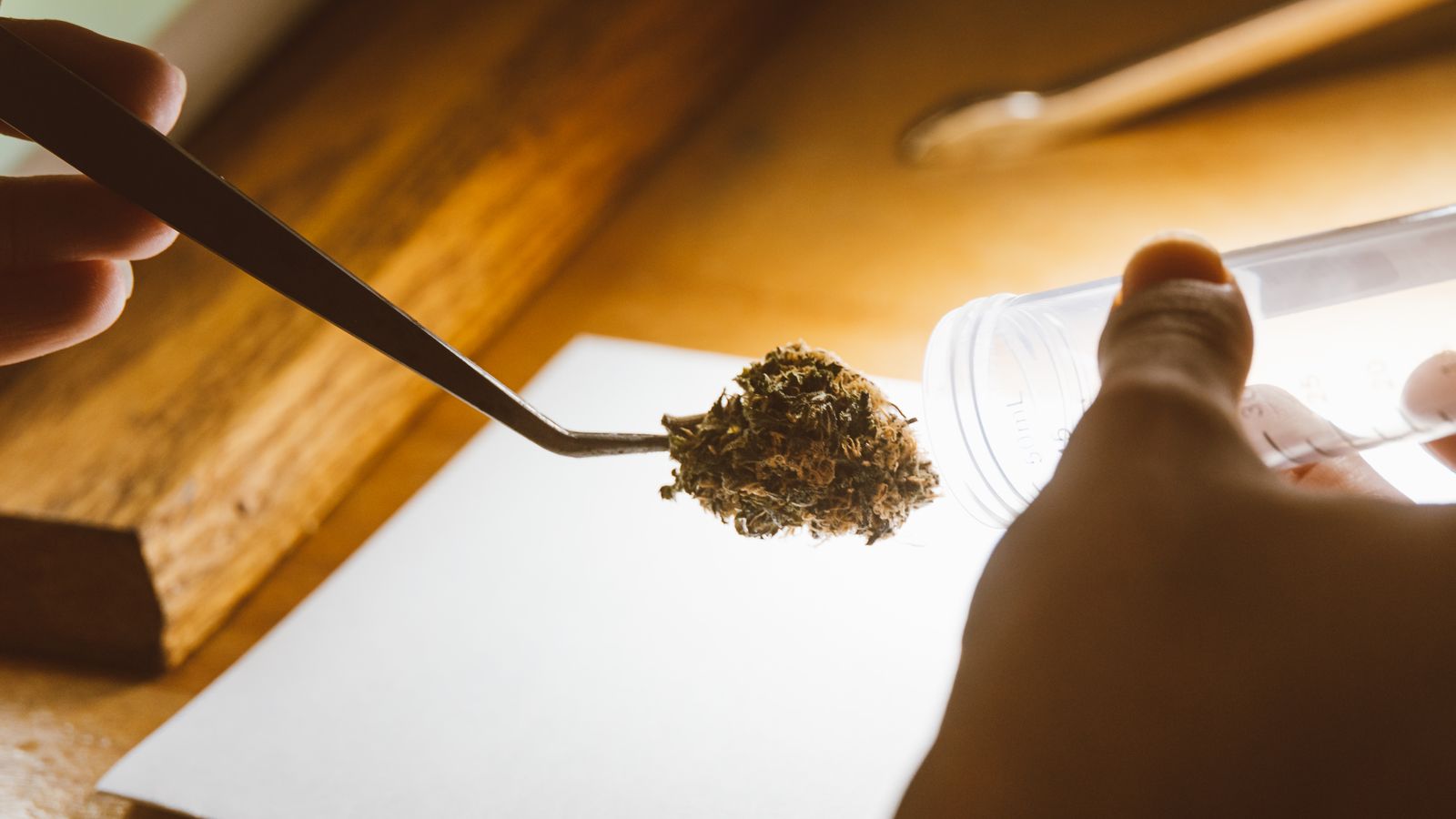
Study Reveals Compounding Impairment When Edibles Mix With Alcohol
New research documents synergistic effects on driving performance that exceed sum of individual substances.
More from the newsroom
Seven House Democrats Demand IRS Issue 280E Cannabis Tax Guidance
Congressional letter pressures Treasury to clarify deduction rules amid ongoing Schedule III reclassification.

Federal Medical Marijuana Recognition Raises Implementation Questions
Agencies face regulatory gaps after historic policy shift acknowledges medical value.

Minnesota Home Grow Rights Face Federal Threat Under DEA Rescheduling Rule
DEA's proposed Schedule III rule could override state law allowing home cultivation for medical patients.