Sint Maarten Parliament Rejects Demand to Open Native Nations Cannabis Files
Parliament voted down an opposition motion to disclose Native Nations Cannabis documents as MP Lacroes shared personal testimony on drug abuse.
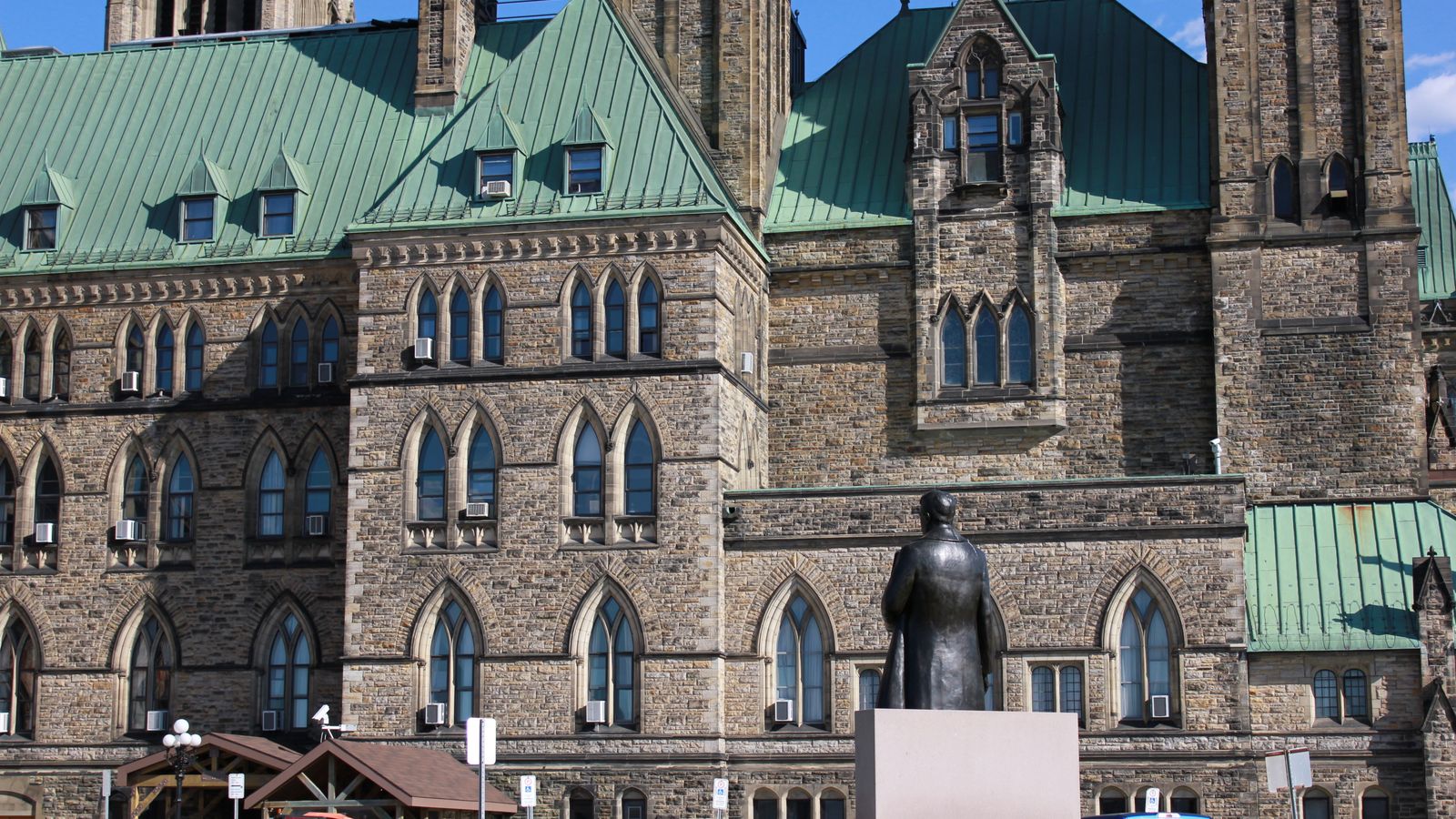
View of a historic Gothic Revival building with a statue in Ottawa, Canada.
Parliament Vote Blocks Document Disclosure
Sint Maarten's Parliament voted down a motion that would have compelled the government to open Native Nations Cannabis files to public scrutiny. The motion, brought by opposition members, sought access to contracts, licensing agreements, and regulatory correspondence tied to the Native Nations Cannabis project. Documents remain shielded from legislative review. Questions about the project's legal framework and financial structure persist.
The vote took place during a regular parliamentary session on August 27. No official vote tally was released by the session's close, but the motion failed to secure majority support. Opposition members argued that transparency was essential given the project's scope and its intersection with Dutch Kingdom regulations governing controlled substances.
Lacroes Testimony Shifts Session Focus
MP Lacroes revealed during debate that his childhood was marked by exposure to drug abuse, a disclosure that shifted the tone of the session. Lacroes, representing the United People's Party, connected his personal history to his stance on cannabis policy. Regulatory oversight must account for public health and vulnerable populations, he argued. His testimony drew attention away from procedural arguments over document access and toward broader questions about cannabis normalization in Sint Maarten.
Lacroes didn't specify which substances affected his household or the duration of exposure. He framed his remarks as context for his legislative priorities, which include stricter controls on cannabis distribution and enhanced treatment funding for substance-use disorders.
Native Nations Cannabis Project Background
The Native Nations Cannabis initiative is a proposed framework to license and regulate cannabis cultivation and sales in Sint Maarten. It uses the island's semi-autonomous status within the Kingdom of the Netherlands. Proponents argue the project could generate tax revenue and reduce black-market activity. Critics, including several opposition MPs, contend the project lacks clarity on compliance with Dutch narcotics law and hasn't undergone sufficient public consultation.
The project has been in development since early 2025, with preliminary licensing discussions involving private investors and the Ministry of Public Health, Social Development and Labor. No licenses have been issued to date. For full background on this story, see the CannIntel topic hub on Native Nations Cannabis Sint Maarten.
Legal and Regulatory Uncertainty
Sint Maarten's cannabis policy operates in a legal gray zone shaped by Kingdom-level drug treaties and local autonomy provisions. The Netherlands decriminalized small-scale cannabis possession decades ago, but formal legalization remains limited to coffeeshop models in European Netherlands. Sint Maarten, as a constituent country within the Kingdom, must secure Dutch consent for any regulated cannabis market—a process that's stalled multiple Caribbean initiatives in the past.
The Native Nations Cannabis project hasn't published a legal opinion clarifying its compliance pathway. Opposition members argue this omission justifies their demand for document disclosure. The government counters that premature release of negotiation records could compromise investor confidence and expose commercially sensitive terms.
Political Implications of the Vote
The rejection signals majority coalition support for the government's handling of the cannabis file, at least in procedural terms. Prime Minister Silveria Jacobs' coalition holds a narrow majority in the 15-seat Parliament. The vote suggests coalition discipline held despite public pressure for transparency, though individual members' positions weren't recorded in available reports.
The vote leaves the opposition with limited options to force document release short of a no-confidence motion or a shift in coalition alignment.
Lacroes' personal testimony may complicate future debate. By framing cannabis policy through a public-health lens tied to his own experience, he's introduced a narrative that could resonate with voters concerned about normalization—particularly parents and educators.
What Comes Next
The government hasn't announced a timeline for voluntary disclosure of Native Nations Cannabis documents or for advancing the project to a licensing phase. Opposition members indicated they'd continue pressing for transparency through parliamentary questions and budget hearings. The next scheduled debate on public health policy is set for September 2026, when cannabis regulation is expected to resurface.
Observers will watch whether the government moves to publish a white paper or legal framework summary to address transparency concerns without releasing commercially sensitive contracts. The political cost of continued opacity may rise if media scrutiny intensifies or if regional cannabis initiatives in Curaçao or Aruba advance more transparently.
Frequently asked questions
What is the Native Nations Cannabis project in Sint Maarten?
The Native Nations Cannabis project is a proposed regulatory framework to license and control cannabis cultivation and sales in Sint Maarten. The initiative aims to generate tax revenue and reduce black-market activity, but faces legal uncertainty due to Sint Maarten's status within the Kingdom of the Netherlands and Dutch narcotics law.
Why did Parliament reject the document disclosure motion?
Parliament voted down the motion on procedural and strategic grounds. The government argued that releasing negotiation records prematurely could compromise investor confidence and expose commercially sensitive terms. The majority coalition supported this position, blocking immediate public access to contracts and regulatory correspondence.
What did MP Lacroes reveal during the debate?
MP Lacroes disclosed that his childhood was marked by exposure to drug abuse. He connected this personal history to his legislative stance on cannabis policy, arguing for stricter regulatory oversight and enhanced funding for substance-use disorder treatment.
What are the next steps for the Native Nations Cannabis project?
No official timeline has been announced for licensing or document disclosure. Opposition members plan to continue pressing for transparency through parliamentary questions and budget hearings. The next scheduled public health policy debate is set for September 2026.
How does Dutch law affect Sint Maarten's cannabis policy?
Sint Maarten is a constituent country within the Kingdom of the Netherlands and must secure Dutch consent for any regulated cannabis market. The Netherlands has decriminalized small-scale possession but formal legalization remains limited, creating legal ambiguity for Caribbean territories seeking to establish licensed markets.
Sources
The cannabis newsletter you forward to your team.
Federal policy, market data, grower alerts, and the one story that matters today. Sent every weekday at 7am. Free.
No spam. Unsubscribe with one click. 21+ only.
Related from Laws
AG Blanche Says DOJ Won't Interfere With State-Legal Cannabis
Attorney General Todd Blanche said the Justice Department isn't seeking to interfere with state-legal marijuana operators, but no written policy or rule change accompanied the reported remarks.

Blanche Says Lucas Charges Aren't Aimed at State Cannabis Laws
The attorney general framed the federal case against Virginia's Senate president pro tem as conduct-based, not a move against state marijuana policy.

DOJ indicts Virginia lawmaker, six others over hemp THC shop
Federal prosecutors charged a Virginia state lawmaker and six others over a hemp THC operation, testing where hemp ends and marijuana begins.
More from the newsroom

Virginia Senator Faces Federal Marijuana and Fraud Charges
Marijuana Moment reported Oct. 22 that a top Virginia senator faces federal marijuana and fraud charges; the counts, court and named defendant await confirmation.

New Jersey Bill Extending Hemp Drink Sales Advances
A bill to extend New Jersey hemp drink sales moved forward Oct. 22, but the public record behind the headline is thin.

Survey of 7,913 German Patients Finds Pharmacy Cannabis Preferred
A survey of 7,913 German medicinal cannabis patients, nearly 90% with experience of both channels, points to the illegal market as a major source of stress.