Schedule III Rescheduling Leaves Cannabis Real Estate Law Unchanged
Federal rescheduling doesn't alter landlord liability or property-law barriers for cannabis operators, Vicente LLP analysis finds.

From below of multistory residential building located near modern skyscraper in megapolis under blue sky
Civil Forfeiture Risk Unchanged Under 21 U.S.C. § 881
Schedule III rescheduling doesn't shield landlords from federal civil forfeiture of properties leased to cannabis operators. Under 21 U.S.C. § 881(a)(7), real property used or intended to be used to commit or facilitate a Controlled Substances Act violation remains subject to seizure regardless of scheduling tier. Cannabis remains federally illegal. Schedule III status under 21 U.S.C. § 812(b)(3) doesn't decriminalize cultivation, distribution, or possession.
Vicente LLP's analysis notes that forfeiture proceedings are civil actions against the property itself, not the owner. An innocent-owner defense exists under 18 U.S.C. § 983(d), but courts have applied it narrowly over the years, and landlords who knowingly lease to state-licensed cannabis operators can't reliably invoke the defense.
Banking and Title Insurance Barriers Persist
Property owners face continued difficulty securing mortgages, title insurance, and banking services for cannabis-occupied real estate. Federal banking regulators haven't revised guidance tying cannabis transactions to Bank Secrecy Act reporting obligations. Most national title insurers exclude cannabis-related properties from coverage. Vicente's analysis emphasizes that Schedule III rescheduling addresses only 26 U.S.C. § 280E tax deductions; it doesn't amend the Bank Secrecy Act or alter FinCEN's 2014 cannabis-banking guidance.
Commercial lenders remain hesitant to underwrite loans secured by cannabis-occupied properties due to forfeiture risk, so property owners typically rely on private capital or state-chartered banks operating under FinCEN safe harbors, which Schedule III doesn't expand.
State Licensing and Zoning Authority Unaffected
State and local zoning, licensing, and land-use authority over cannabis operations remains unchanged by federal rescheduling. Vicente's analysis clarifies that Schedule III placement doesn't preempt state cannabis-control statutes or local conditional-use permits. States retain full authority under the Tenth Amendment to regulate or prohibit cannabis within their borders. Municipalities may continue to impose distance restrictions, operational caps, and land-use conditions on dispensaries and cultivation sites.
For a full legal framework on federal rescheduling's implications, see the CannIntel topic hub on Schedule III Rescheduling. The DEA's final rule moving cannabis to Schedule III took effect in April 2026 but didn't amend forfeiture statutes or banking law.
What Property Owners Should Watch
Vicente recommends landlords review lease terms for CSA-violation termination clauses and assess forfeiture exposure with counsel. SAFE Banking Act passage would provide statutory protection for financial institutions serving cannabis businesses, indirectly reducing real-estate financing barriers. The bill has stalled in Congress since 2019. No such legislation is currently pending.
Frequently asked questions
Does Schedule III rescheduling protect landlords from federal forfeiture?
No. Under 21 U.S.C. § 881(a)(7), properties used to facilitate Controlled Substances Act violations remain subject to civil forfeiture regardless of cannabis's scheduling tier. Schedule III placement does not decriminalize cannabis under federal law.
Can property owners now secure traditional mortgages for cannabis-occupied buildings?
Unlikely. Federal banking regulators have not revised guidance tied to Bank Secrecy Act obligations, and most national lenders and title insurers exclude cannabis properties from coverage. Schedule III addresses only 26 U.S.C. § 280E tax deductions, not banking law.
Does rescheduling change state or local zoning authority over cannabis real estate?
No. States and municipalities retain full authority under the Tenth Amendment to regulate or prohibit cannabis operations through zoning, licensing, and land-use restrictions. Federal rescheduling does not preempt state cannabis-control statutes.
What would change real-estate financing barriers for cannabis operators?
Passage of the SAFE Banking Act, which would provide statutory safe harbor for financial institutions serving state-licensed cannabis businesses. The bill has stalled in Congress since 2019 and is not currently pending.
Sources
The cannabis newsletter you forward to your team.
Federal policy, market data, grower alerts, and the one story that matters today. Sent every weekday at 7am. Free.
No spam. Unsubscribe with one click. 21+ only.
Related from Laws

Trump AG Dodges Question on Further Marijuana Rescheduling Beyond Medical Use
Attorney General declines to commit to adult-use rescheduling during Senate confirmation hearing.

Massachusetts voters to decide cannabis repeal in November ballot
A citizen-led petition forces the first statewide vote on reversing adult-use legalization since 2016.

Massachusetts Voters Face Nine Ballot Questions in November 2026
Cannabis reform, gun control, and seven other measures could appear on Massachusetts ballots this fall.
More from the newsroom
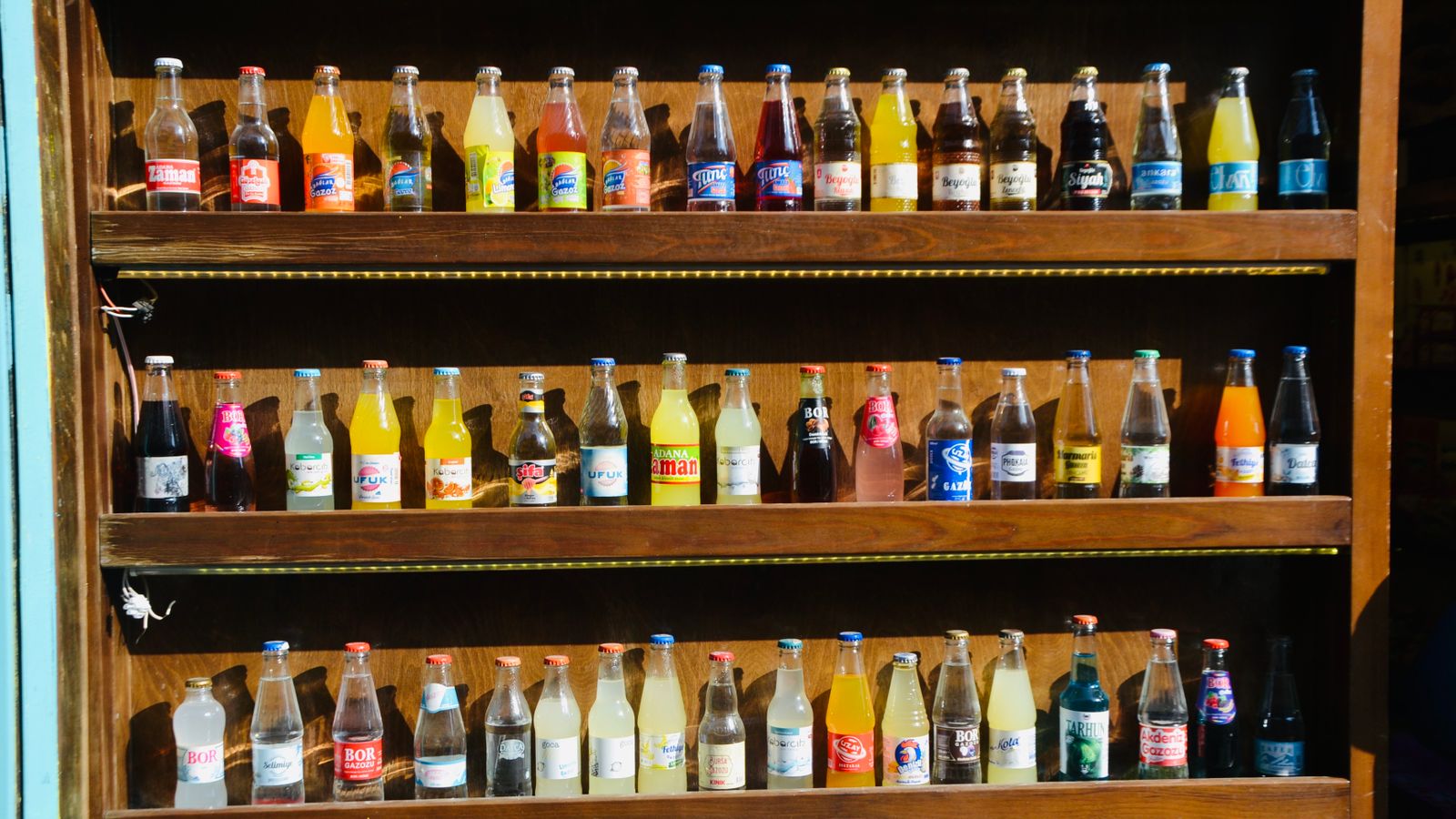
THC Beverages Sold Alongside Soft Drinks Violate State Laws Nationwide
Hemp-derived THC drinks are appearing in mainstream retail coolers next to sodas and chocolate milk, often breaching state packaging and placement rules.

California CHP Allocates $41M in Cannabis Tax Revenue to Anti-Impaired Driving Grants
The California Highway Patrol announced statewide grant awards funded entirely by cannabis excise tax collections.

TSA cannabis discovery can trigger 10-year federal sentence, $15K fine
Federal prosecution remains possible despite state legalization when cannabis crosses airport security checkpoints.