SAFE Banking Act Reintroduced in Senate After Years of Stalled Votes
The cannabis banking bill returns to Congress with a familiar path ahead: House passage, Senate uncertainty.
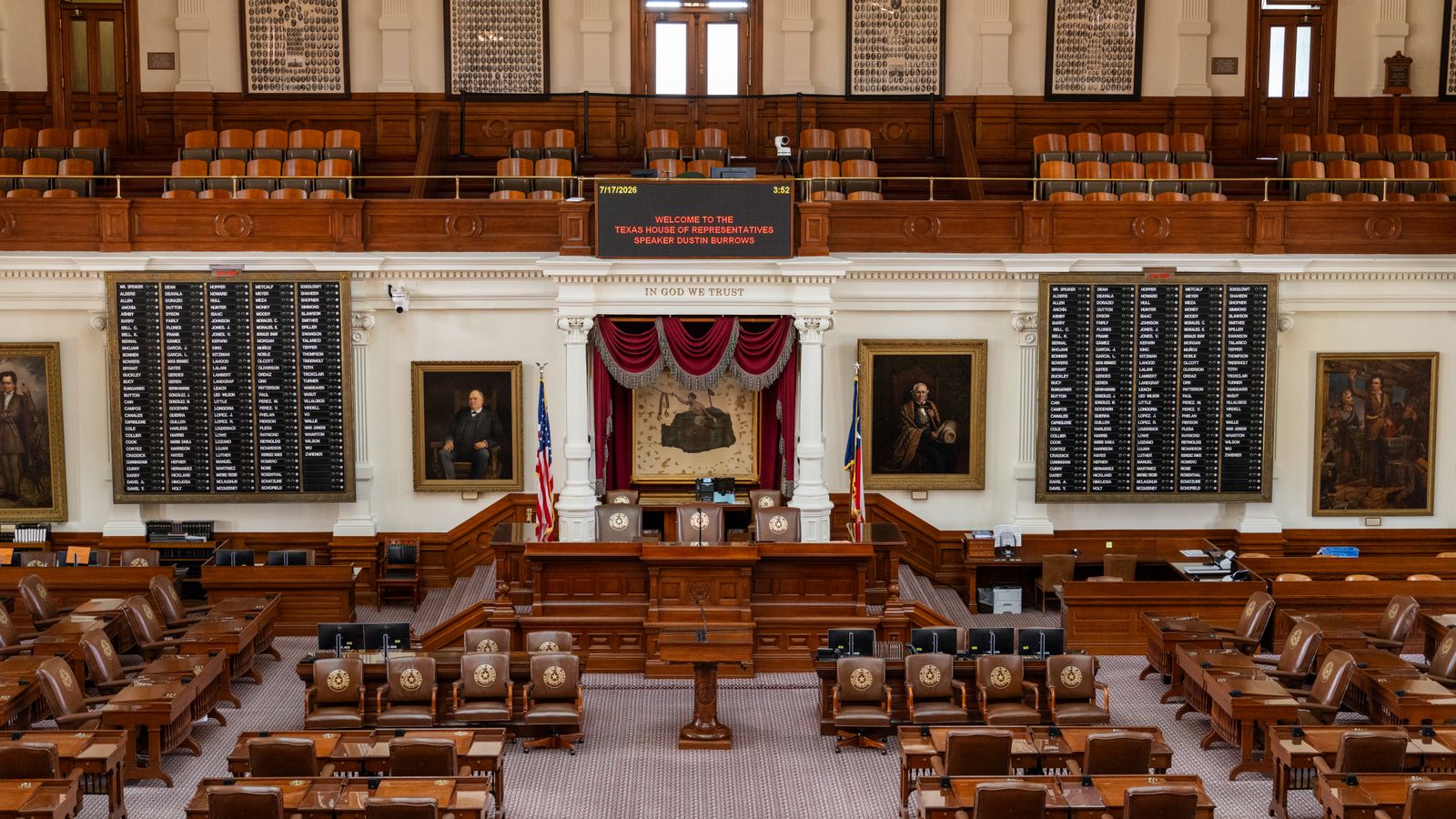
The Texas House of Representatives chamber, featuring legislative seats and historical portraits.
The Bill Returns With No Clear Path to Passage
The SAFE Banking Act is back in Congress, but its Senate prospects remain as uncertain as in prior sessions. Reintroduced September 17, the Secure and Fair Enforcement Banking Act would shield banks and credit unions from federal penalties for serving state-licensed cannabis businesses. This reintroduction resets the legislative clock. It doesn't change the underlying political math.
The House has passed versions of SAFE seven times since 2019. None advanced to a Senate vote. Sponsors haven't announced a timeline for committee hearings or floor consideration.
What SAFE Banking Would Change for Operators
The bill would allow federally insured banks to serve cannabis businesses without risking asset forfeiture or federal prosecution. Under current law, cannabis remains a Schedule I controlled substance, and financial institutions face potential money-laundering charges for handling cannabis revenue. Most operators rely on cash management, armored transport, and a small number of state-chartered credit unions willing to take the compliance risk.
SAFE wouldn't legalize cannabis federally. It would create a statutory carve-out for depository institutions, payment processors, and insurers. The framework would apply only to businesses operating in compliance with state law.
The Senate Obstacle Hasn't Moved
Senate Banking Committee leadership has blocked floor votes on SAFE in every prior Congress, citing concerns over social equity provisions and broader legalization. Former Banking Committee Chair Sherrod Brown opposed standalone cannabis banking bills, arguing they should be paired with expungement and restorative justice measures. Current committee composition hasn't shifted enough to suggest a different outcome.
No Republican co-sponsors have been announced for the 2026 version. The bill will need 60 votes to overcome a filibuster, requiring at least 10 Republican supporters if all Democrats vote yes. That threshold has never been tested on the Senate floor.
The Cash Problem Remains Acute for MSOs and Retailers
Without federal banking access, cannabis operators face elevated security costs, limited access to credit, and operational inefficiencies that cost the industry an estimated $1.2 billion annually. Multi-state operators report cash-handling expenses between 8% and 12% of revenue. Retailers in high-volume markets like California and Illinois employ armed guards and use multiple daily armored-car pickups.
Traditional banking access remains blocked. That means no merchant services, no business loans, no lines of credit. Most operators finance expansion through private equity or asset-based lending at rates 400 to 600 basis points above prime.
State-Level Workarounds Have Scaled But Remain Fragile
Roughly 700 credit unions and community banks now serve cannabis clients under FinCEN guidance issued in 2014, but the framework offers no statutory protection. These institutions file Suspicious Activity Reports for every cannabis-related transaction, a compliance burden that limits participation. Several state-chartered institutions have exited the space after federal examiners flagged reputational risk.
For full background on this story, see the CannIntel topic hub on the SAFE Banking Act.
What to Watch in the Next 90 Days
The bill's next milestone is a Senate Banking Committee hearing, which hasn't been scheduled. House leadership is expected to bring SAFE to the floor before the end of the fiscal year, continuing the chamber's pattern of symbolic passage. The real test is whether Senate Majority Leader moves the bill to a floor vote, a step that hasn't happened in any prior Congress.
Operators shouldn't adjust treasury strategy based on this reintroduction. The legislative path remains the same: House passage, Senate inaction, and continued reliance on cash and state-chartered workarounds.
For complete background, history, and our ongoing coverage of this story:
Open the CannIntel topic hub →Frequently asked questions
What does the SAFE Banking Act do?
The SAFE Banking Act would shield federally insured banks and credit unions from prosecution or asset forfeiture for serving state-licensed cannabis businesses. It creates a statutory safe harbor for depository institutions, payment processors, and insurers without legalizing cannabis federally.
Why hasn't SAFE Banking passed the Senate?
Senate Banking Committee leadership has blocked floor votes in every prior Congress, citing concerns over social equity provisions and the absence of broader legalization measures. The bill needs 60 votes to overcome a filibuster, requiring at least 10 Republican supporters.
How do cannabis businesses handle banking now?
Most operators rely on cash management, armored transport, and roughly 700 state-chartered credit unions that serve cannabis clients under 2014 FinCEN guidance. These institutions file Suspicious Activity Reports for every transaction, and the framework offers no statutory protection from federal enforcement.
What are the costs of operating without banking access?
Cannabis operators report cash-handling expenses between 8% and 12% of revenue, with the industry facing an estimated $1.2 billion in annual costs. Operators also lack access to merchant services, business loans, and lines of credit, forcing reliance on private equity and asset-based lending at premium rates.
Sources
The cannabis newsletter you forward to your team.
Federal policy, market data, grower alerts, and the one story that matters today. Sent every weekday at 7am. Free.
No spam. Unsubscribe with one click. 21+ only.
Related from Laws

Massachusetts Cannabis Repeal Campaign Raises Significant Funds
A ballot initiative seeking to reverse Massachusetts adult-use legalization has attracted substantial financial backing ahead of the 2026 election.

Massachusetts Cannabis Control Commission Launches Regulatory Overhaul
The CCC begins comprehensive review of adult-use and medical cannabis rules, targeting licensing, testing, and social equity provisions.

Paso Robles Advances Ordinance to Expand Cannabis Business Licenses
City council moves forward with regulatory changes allowing more retail and cultivation permits in commercial zones.
More from the newsroom

Virginia publishes adult-use cannabis rules ahead of 2027 market launch
The Cannabis Control Authority released proposed regulations governing cultivation, retail, and social equity licenses for the state's commercial market.

57% of California Cities Ban Dispensaries as Delivery Fills Access Gap
More than half of California municipalities prohibit storefront cannabis retailers, forcing residents to rely on delivery or drive to neighboring jurisdictions.

CLAIM Act Filed to Shield Cannabis Insurance Providers From Federal Penalties
Bipartisan bill would create safe harbor for insurers, brokers, and agents serving state-legal cannabis operators.