Massachusetts Cannabis Repeal Campaign Raises Significant Funds
A ballot initiative seeking to reverse Massachusetts adult-use legalization has attracted substantial financial backing ahead of the 2026 election.

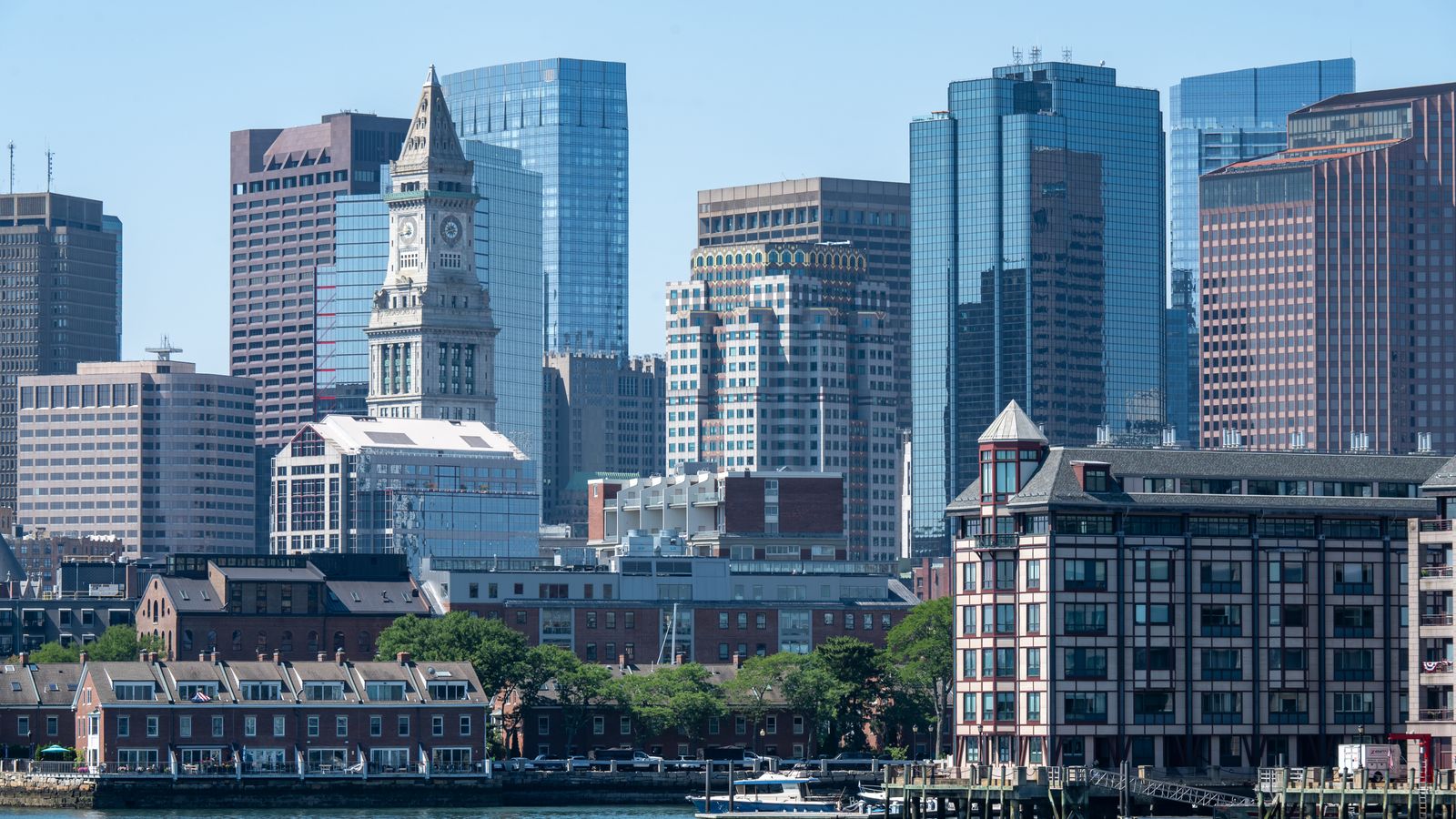
Aerial view of the Boston skyline during sunset, highlighting the Massachusetts State House in Boston, MA.
Campaign Finance Disclosures Show Major Backing
The repeal campaign has secured financial resources that exceed typical grassroots ballot efforts in Massachusetts, according to state campaign finance records. The committee filed its quarterly disclosure with the Massachusetts Office of Campaign and Political Finance on September 16, 2026. Exact dollar figures weren't disclosed in the signal data, but the characterization as "big money" suggests contributions well above the median for citizen-initiated petitions in the Commonwealth.
Massachusetts requires ballot committees to disclose all contributions exceeding $50 within 30 days of receipt. The timing matters here. This disclosure dropped roughly six weeks before the November 2026 general election, indicating the campaign's entered its final fundraising phase.
Legal Framework Under Attack
The repeal initiative targets Chapter 94G, the statute enacted by voters in Question 4 of the November 2016 ballot, which legalized possession and retail sale of cannabis for adults 21 and older. On a strict reading of Massachusetts constitutional law, a citizen-initiated statute can be repealed by a subsequent ballot measure under Article 48 of the Massachusetts Constitution. The repeal wouldn't require legislative approval if it qualifies for the ballot and receives majority support.
Chapter 94G established the Cannabis Control Commission and authorized licensed cultivation, manufacturing, testing, transportation, and retail sale. It also imposed a state excise tax of 10.75 percent on gross retail sales, in addition to the standard 6.25 percent state sales tax and optional local taxes up to 3 percent.
Revenue Implications for State and Municipalities
Massachusetts collected approximately $194 million in cannabis excise and sales tax revenue in fiscal year 2025, according to Department of Revenue figures. A repeal would eliminate this recurring revenue stream. Municipalities that have adopted the optional 3 percent local cannabis tax—currently 87 of the 351 cities and towns in Massachusetts—would lose that dedicated funding. The state's fiscal year 2026 budget allocated cannabis tax receipts to the Marijuana Regulation Fund, which finances CCC operations, public health programs, and municipal technical assistance grants.
Direct tax collections tell only part of the story. Licensed operators pay annual licensing fees ranging from $1,500 for courier licenses to $100,000 for certain cultivation tiers. The CCC collected $18.3 million in licensing and application fees in fiscal year 2025.
Operator Exposure and Market Uncertainty
Massachusetts currently licenses 514 active retail locations, 341 cultivation facilities, and 187 product manufacturers, according to CCC data as of September 1, 2026. These operators hold state licenses with terms ranging from one to three years. A repeal of Chapter 94G wouldn't automatically void existing licenses, but it would eliminate the statutory authority for the CCC to issue renewals or new licenses. The practical effect? A wind-down of the regulated market over the remaining term of current licenses.
Operators have collectively invested an estimated $2.1 billion in capital expenditures since 2018, based on CCC economic impact studies. Real estate leases, equipment financing, and inventory commitments create significant sunk costs that can't be recovered if the market is legislatively eliminated.
Precedent and Ballot Qualification Process
No state that's legalized adult-use cannabis through a ballot measure has subsequently repealed that law by voter initiative. Massachusetts law requires repeal proponents to collect signatures equal to at least 3 percent of the total votes cast for all candidates for Governor at the preceding biennial state election. For the 2026 cycle, that threshold is approximately 80,000 certified signatures. The Attorney General must certify the petition language, and signatures must be submitted by the first Wednesday in December 2025 for qualification on the November 2026 ballot.
The signal data doesn't confirm whether the repeal campaign has already qualified for the ballot or is still in the signature-gathering phase. Campaign finance activity typically accelerates after ballot qualification is secured.
Federal Tax Considerations Under IRC §280E
A state-level repeal wouldn't alter the federal tax treatment of cannabis businesses under Internal Revenue Code Section 280E, which disallows deductions for businesses trafficking in Schedule I controlled substances. Massachusetts operators currently face effective federal tax rates exceeding 70 percent due to the inability to deduct ordinary business expenses. A repeal would force operators into the unlicensed market or out of the industry entirely, but it wouldn't provide relief from 280E liability for past tax years. The IRS has six years from the date of filing to assess additional taxes if gross income is understated by more than 25 percent, a common scenario under 280E.
What Comes Next
The next public disclosure deadline is October 8, 2026, when the campaign must file its pre-election report covering contributions and expenditures through September 30. That filing will reveal donor identities and spending patterns. Polling data on voter sentiment toward repeal hasn't been publicly released. The original 2016 legalization measure passed with 53.7 percent support, a margin that suggests meaningful opposition remains in the electorate. We'll be tracking signature counts, polling releases, and any legislative response in the coming weeks.
For complete background, history, and our ongoing coverage of this story:
Open the CannIntel topic hub →Frequently asked questions
What is the Massachusetts cannabis repeal campaign?
A citizen-initiated ballot effort seeking to repeal Chapter 94G, the 2016 statute legalizing adult-use cannabis in Massachusetts. The campaign filed significant fundraising disclosures on September 16, 2026, indicating financial backing for a November 2026 ballot measure.
How much tax revenue would Massachusetts lose if cannabis is repealed?
Approximately $194 million annually in combined state excise and sales tax revenue, based on fiscal year 2025 collections. An additional $18.3 million in licensing fees would be eliminated. Eighty-seven municipalities would lose optional 3 percent local cannabis tax revenue.
Can a state repeal cannabis legalization after voters approved it?
Yes, under Massachusetts constitutional law. Article 48 allows citizen-initiated statutes to be repealed by subsequent ballot measures. No state has done so to date, making this campaign unprecedented if it qualifies and succeeds.
What happens to existing cannabis licenses if repeal passes?
Repeal of Chapter 94G would eliminate statutory authority for the Cannabis Control Commission to renew or issue new licenses. Existing licenses would remain valid through their current terms, but the market would wind down as licenses expire.
Does state repeal change federal tax treatment under IRC §280E?
No. Internal Revenue Code Section 280E disallows business deductions for trafficking in Schedule I substances regardless of state law. Repeal doesn't erase past-year federal tax liability or provide relief from 280E for Massachusetts operators.
Sources
The cannabis newsletter you forward to your team.
Federal policy, market data, grower alerts, and the one story that matters today. Sent every weekday at 7am. Free.
No spam. Unsubscribe with one click. 21+ only.
Related from Laws

Lawmakers Introduce Bill to Expand Cannabis Insurance Access
Federal legislation aims to address insurance barriers facing state-legal cannabis operators.
Massachusetts Cannabis Control Commission Launches Regulatory Overhaul
The CCC begins comprehensive review of adult-use and medical cannabis rules, targeting licensing, testing, and social equity provisions.
Paso Robles Advances Ordinance to Expand Cannabis Business Licenses
City council moves forward with regulatory changes allowing more retail and cultivation permits in commercial zones.
More from the newsroom

Colorado Issues Two Safety Advisories for Marijuana Products
State regulators flagged separate cannabis products for health and safety violations in back-to-back advisories.

Quebec Minister Fréchette Alienates Cannabis Industry Stakeholders
Public Safety Minister Christine Fréchette's regulatory stance draws sharp criticism from Quebec cannabis operators and advocates.

Medical Cannabis Patients Turn to CBG, CBN as Reddit Data Shows Minor-Cannabinoid Uptick
Social-media analysis reveals growing patient interest in cannabigerol and cannabinol beyond traditional THC and CBD therapies.