GOP Senator Warns Hemp THC Sales Would Legalize Marijuana Nationwide
A Republican senator argues that letting intoxicating hemp products stay on shelves would amount to de facto national legalization, sharpening the fight over the 2018 Farm Bill loophole.

View of United States Capitol with neoclassical architecture against a cloudy sky in Washington D.C.
A senator frames the hemp loophole as de facto legalization
A Republican senator said letting hemp THC sales continue would effectively legalize marijuana nationwide, according to Marijuana Moment's Nov. 23, 2026 report.
The argument isn't new, but it is blunt. Intoxicating hemp products already move through gas stations, smoke shops and online stores in states with no adult-use market. In the senator's view, the product category has outgrown the agricultural-policy label attached to it.
CannIntel's signal is limited to the Marijuana Moment headline and summary. It doesn't include the senator's full remarks, the vehicle for any legislation, or a vote schedule. We haven't independently confirmed those details, so we've left them out.
Why the loophole exists: a strict reading of the 2018 Farm Bill
On a strict reading, the 2018 Farm Bill removed hemp from the Controlled Substances Act by defining it as cannabis containing no more than 0.3% delta-9 THC on a dry-weight basis.
That definition is the whole ballgame. It regulates a concentration threshold, not intoxication. Manufacturers have leaned on it in three ways:
- Delta-8 THC and other converted cannabinoids made from hemp-derived CBD.
- THCA flower, which tests below the delta-9 limit before decarboxylation.
- Infused beverages and edibles dosed under the threshold by weight rather than by milligrams per serving.
The statute is silent on total THC, serving size and consumer age. Congress didn't write those rules. The market filled the gap.
What operators and investors should watch
The senator's framing matters because it recasts a regulatory gap as a legalization question, which changes the political math for both hemp sellers and licensed cannabis operators.
For licensed MSOs, the tax angle is concrete. State-legal marijuana businesses carry IRC §280E, which bars deductions for trafficking in Schedule I or II substances, while hemp sellers that stay outside the Controlled Substances Act don't carry that burden. That asymmetry is the core of the licensed industry's complaint, and the senator's argument gives it a new federal voice.
Exposure runs both ways. If Congress closes the loophole, hemp THC retailers face inventory write-downs and potential loss of their product lines. If it doesn't, licensed operators keep competing against untaxed, lightly regulated products. Neither outcome is neutral.
For background on the policy fight, see the CannIntel topic hub on the federal hemp THC loophole. State regulators in California, Texas and Ohio have each moved against hemp-derived intoxicants through their own rulemaking.
Watch for bill text or a markup schedule tied to the senator's remarks. A statutory redefinition of hemp would settle the question the 2018 law left open.
For complete background, history, and our ongoing coverage of this story:
Open the CannIntel topic hub →Frequently asked questions
What did the Republican senator say about hemp THC?
According to Marijuana Moment's headline, the senator said allowing hemp THC sales to continue would effectively legalize marijuana nationwide. The full remarks and any related legislation were not available in the signal reviewed by CannIntel.
Why are hemp THC products legal under federal law?
The 2018 Farm Bill removed hemp, defined as cannabis with no more than 0.3% delta-9 THC by dry weight, from the Controlled Substances Act. The law doesn't address total THC, intoxication or serving size.
How does the hemp loophole affect licensed cannabis businesses?
Licensed marijuana operators are subject to IRC §280E, which bars standard tax deductions. Hemp sellers operating outside the Controlled Substances Act generally are not, creating a competitive and tax asymmetry.
Has Congress voted to close the hemp THC loophole?
The signal reviewed does not confirm a vote or markup schedule. Readers should watch for bill text that would redefine hemp in federal statute.
Sources
The cannabis newsletter you forward to your team.
Federal policy, market data, grower alerts, and the one story that matters today. Sent every weekday at 7am. Free.
No spam. Unsubscribe with one click. 21+ only.
Related from Laws

Virginia Lawmakers Weigh Marijuana Revenue for School Substance Services
Virginia legislators are considering earmarking cannabis tax money for substance misuse programs in schools, according to Marijuana Moment, a test of how the state allocates retail market revenue.

Op-Ed Urges Congress to Protect Patient Access in Rescheduling
A Marijuana Moment op-ed argues that moving cannabis to Schedule III without congressional action could leave medical patients worse off, not better.
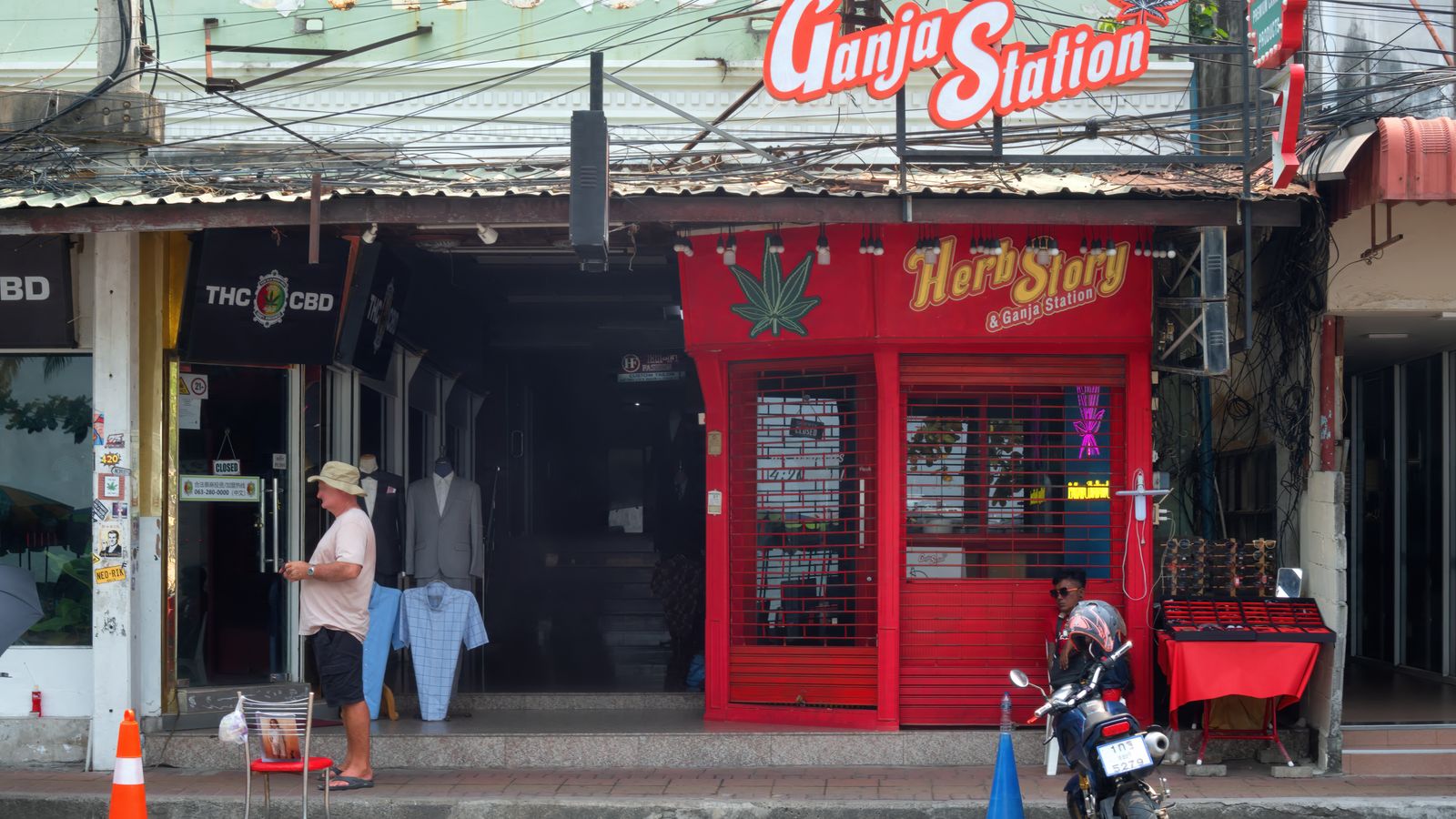
Thailand inspections suspend 105 cannabis licences, revoke 24
A nationwide inspection sweep ended with 105 suspensions and 24 revocations, though the signal leaves open who ran it, what it cost operators, and what triggered each penalty.
More from the newsroom

McMaster study: daily cannabis use tops daily alcohol under 50
A McMaster University Faculty of Health Sciences study finds Canadians under 50 now use cannabis daily more often than they drink alcohol daily, a milestone for the post-legalization market.

Study finds 40+ fungal species in medical cannabis greenhouse
A greenhouse survey reported by MMJDaily identified more than 40 fungal species, sharpening questions about pathogen pressure and mycotoxin risk in medical-grade flower.

Canada: Daily Cannabis Use Tops Daily Drinking for Under-50s
A Toronto Star report says daily cannabis use now outpaces daily alcohol use among Canadian adults under 50, a threshold few predicted when legalization began.