Virginia Lawmakers Weigh Marijuana Revenue for School Substance Services
Virginia legislators are considering earmarking cannabis tax money for substance misuse programs in schools, according to Marijuana Moment, a test of how the state allocates retail market revenue.

Aerial view of Richmond, Virginia skyline with James River at sunset.
Virginia lawmakers are weighing a school-services earmark for cannabis money
According to Marijuana Moment, Virginia legislators are considering using marijuana revenue to pay for substance misuse services in schools. The report, published Nov. 23, 2026, frames the idea as under discussion rather than enacted.
The public summary doesn't name a bill number, a sponsor, a dollar figure, or a committee. Until that detail surfaces, treat this as a policy signal, not a funding mechanism.
Still, the direction is clear. Lawmakers are looking at the revenue side of Virginia's cannabis framework and asking where the money should land.
CannIntel is working from Marijuana Moment's headline and summary. We haven't independently reviewed legislative text, so the specifics below are labeled as open questions.
The money question is where Virginia's cannabis policy gets tested
Earmarking cannabis revenue for prevention is a familiar move, and the real fight is always over how much, from which tax line, and for how long. Prevention funding is the politically easiest use of marijuana dollars. It lets legislators answer the "what about the kids" objection with a budget line.
Three questions will decide whether this is substance or messaging:
- Which revenue stream? Retail sales tax, excise tax, and license fees behave very differently. License fees are front-loaded and one-time-ish. Sales taxes scale with a market that is still being built.
- Dedicated or discretionary? A statutory earmark survives budget cycles. An appropriation line item can be cut the next year.
- What counts as a "service"? Counselors, curriculum, screening, and treatment referral carry different price tags and different evidence bases.
There's a timing problem baked in. Virginia's retail cannabis market has been slower to develop than lawmakers in neighboring states have seen. A revenue earmark is only as good as the revenue. Promise schools a share of money that hasn't materialized and you've created a funding gap, not a program.
For the broader market backdrop, see the CannIntel topic hub on the Virginia cannabis retail market.
Why operators and hemp businesses should watch this
Revenue-allocation fights tend to shape the tax rate and the enforcement posture that follow, and both land on licensed operators and hemp sellers. When a tax line gets a named beneficiary, it becomes harder to cut. That's good for the program. It's rigid for the market.
Operators price in tax. A dedicated, school-linked stream creates a political constituency for keeping rates where they are, even if licensed retailers argue that high rates push customers toward unregulated product.
The hemp angle matters too. Virginia's regulated adult-use framework sits next to a gray-market hemp-derived intoxicant sector, and the delta-9-versus-total-THC question is how regulators draw the line between them. Regulated marijuana dollars funding youth prevention strengthens the argument that intoxicating products belong inside the licensed, taxed system and not on a hemp shelf. Hemp retailers selling THCA flower should read this as one more reason to expect pressure on the total-THC standard. THCA converts to delta-9 THC when heated (decarboxylation), so a product that tests low on delta-9 can still deliver a high-THC experience. That's the loophole lawmakers keep circling.
None of that is in the Marijuana Moment summary. It's the context that decides who pays and who gets squeezed if this idea becomes a bill.
Expect enforcement to vary. Definitions will likely stay unsettled until the text is public, and specific allocations, sponsors, and effective dates are still unknown.
Watch for a bill number and a fiscal impact statement. Those two documents will show whether this is a real funding stream or a talking point.
For complete background, history, and our ongoing coverage of this story:
Open the CannIntel topic hub →Frequently asked questions
What are Virginia lawmakers considering?
According to Marijuana Moment's Nov. 23, 2026 report, lawmakers are considering using marijuana revenue to fund substance misuse services in schools. The public summary does not identify a bill number, sponsor, or funding amount.
Has Virginia passed a law earmarking marijuana revenue for schools?
No. The report describes lawmakers as considering the idea. No enacted statute is cited, and CannIntel found no confirmed bill text in the available signal.
Why does the revenue source matter?
License fees, excise taxes, and sales taxes behave differently. Fees are largely upfront, while sales-based taxes depend on how fast the retail market grows. A school program funded by slow-developing revenue could face a shortfall.
How could this affect hemp and THCA sellers?
Tying regulated marijuana revenue to public programs strengthens the case that intoxicating products belong in the licensed system. That can increase pressure on hemp-derived THCA products, since THCA converts to delta-9 THC when heated. Enforcement approaches may vary.
Sources
The cannabis newsletter you forward to your team.
Federal policy, market data, grower alerts, and the one story that matters today. Sent every weekday at 7am. Free.
No spam. Unsubscribe with one click. 21+ only.
Related from Laws

Op-Ed Urges Congress to Protect Patient Access in Rescheduling
A Marijuana Moment op-ed argues that moving cannabis to Schedule III without congressional action could leave medical patients worse off, not better.
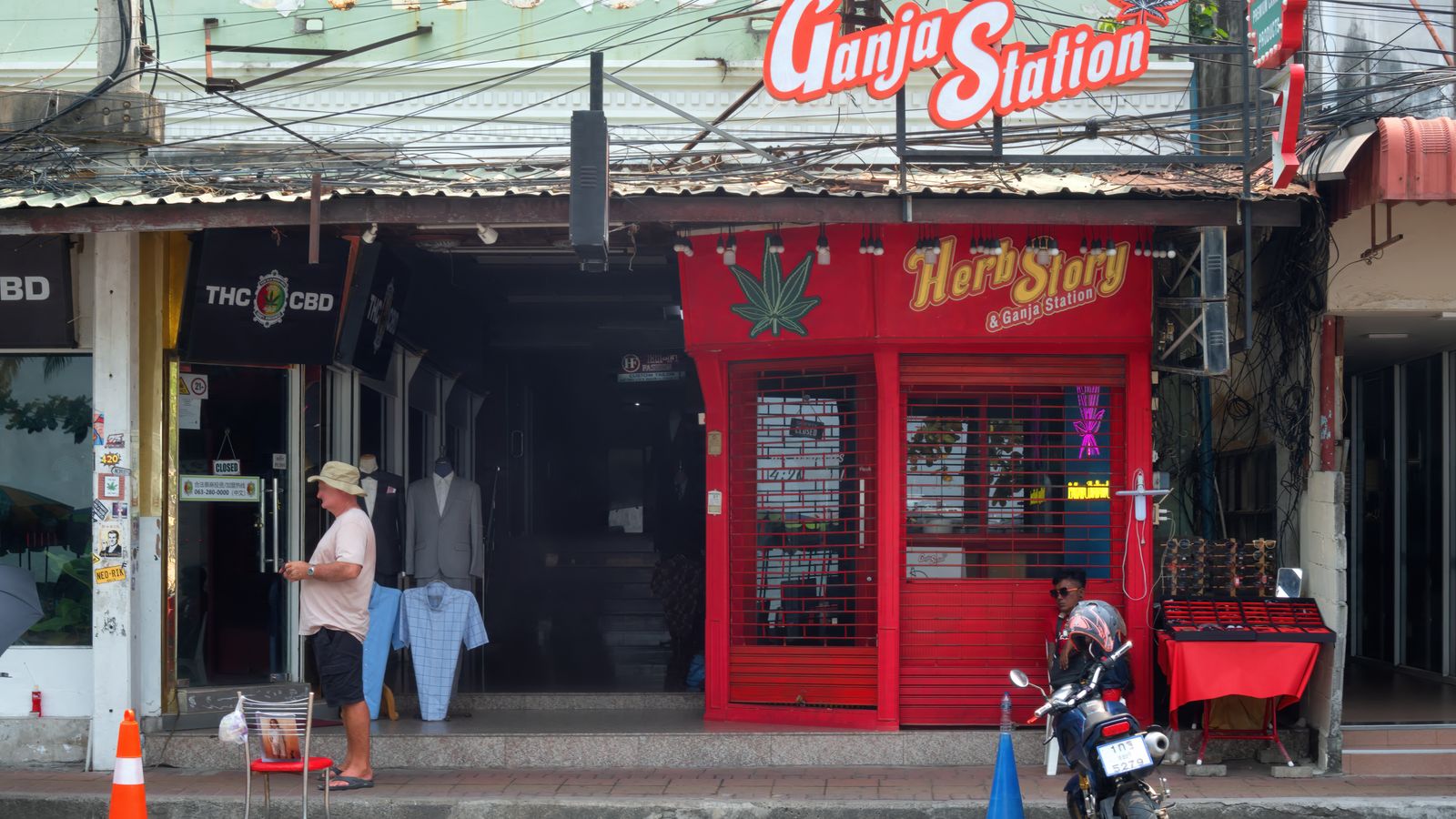
Thailand inspections suspend 105 cannabis licences, revoke 24
A nationwide inspection sweep ended with 105 suspensions and 24 revocations, though the signal leaves open who ran it, what it cost operators, and what triggered each penalty.

Thailand Revokes 24 Cannabis Licences, Suspends 105 More
A regulatory sweep removes 24 operators from Thailand's cannabis market and sidelines 105 more, tightening a framework that has been under pressure since decriminalization.
More from the newsroom

McMaster study: daily cannabis use tops daily alcohol under 50
A McMaster University Faculty of Health Sciences study finds Canadians under 50 now use cannabis daily more often than they drink alcohol daily, a milestone for the post-legalization market.

Study finds 40+ fungal species in medical cannabis greenhouse
A greenhouse survey reported by MMJDaily identified more than 40 fungal species, sharpening questions about pathogen pressure and mycotoxin risk in medical-grade flower.

Canada: Daily Cannabis Use Tops Daily Drinking for Under-50s
A Toronto Star report says daily cannabis use now outpaces daily alcohol use among Canadian adults under 50, a threshold few predicted when legalization began.