Prohibition States Report 186,581 Cannabis Arrests in 2025
Despite adult-use legalization in 24 states, non-legal jurisdictions arrested nearly 200,000 people for cannabis offenses last year.
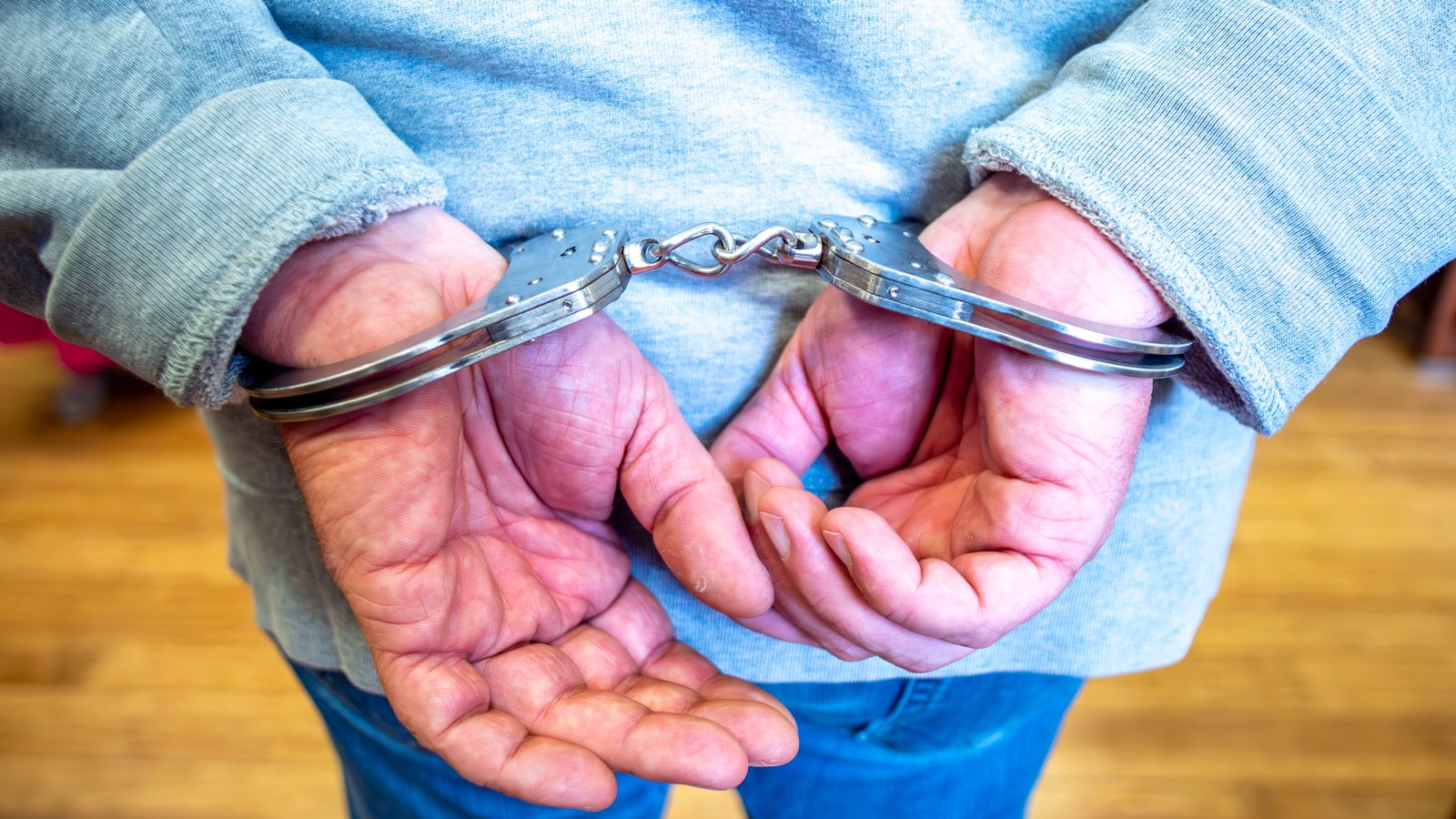
Close-up of a handcuffed individual wearing a grey sweater indoors in Poland.
Arrest Volume Concentrated in Prohibition States
The 186,581 arrests occurred entirely in the 26 states without adult-use legalization, with Texas, Florida, and Tennessee accounting for 41% of the total. Texas led with 34,200 arrests. Florida followed at 28,900. Tennessee recorded 13,500, according to the FBI data. These three states alone arrested more people than the combined total of the 15 smallest prohibition jurisdictions.
Prohibition states averaged 7.2 arrests per 1,000 residents, compared to effectively zero in adult-use states where possession and home cultivation are legal. That gap represents the sharpest enforcement divide since state-level legalization began in 2012.
Possession Charges Dominate Enforcement Activity
Simple possession accounted for 82% of all cannabis arrests in prohibition states, with only 18% classified as distribution or cultivation offenses. FBI data shows 153,000 possession arrests versus 33,581 for sales-related charges. In states like Georgia and North Carolina, possession arrests exceeded 90% of total cannabis enforcement.
This possession-heavy mix contradicts frequent law enforcement claims that cannabis arrests target large-scale traffickers rather than casual users. Enforcement falls on low-level possession.
Federal Rescheduling Proposal Doesn't Affect State Arrests
The DEA's pending proposal to reschedule cannabis from Schedule I to Schedule III under the Controlled Substances Act wouldn't change state-level criminal enforcement. Rescheduling affects federal tax treatment under 280E and research access, but states retain independent authority to criminalize possession and sales regardless of federal classification.
All 186,581 arrests were state-level charges. Federal cannabis arrests totaled fewer than 3,000 in 2025, primarily targeting interstate trafficking operations. For context on the rescheduling timeline, see the CannIntel topic hub on cannabis arrests in prohibition states.
Racial Disparities Persist Across Prohibition Jurisdictions
Black Americans were arrested for cannabis offenses at 3.6 times the rate of white Americans in prohibition states, despite similar usage rates across demographics. In Alabama, Louisiana, and Mississippi, that disparity exceeded 5-to-1. FBI data doesn't break down arrests by age, but prior-year reporting shows adults aged 18-25 represent the largest cohort.
These disparities mirror patterns documented in ACLU research over the past decade. Legalization states have seen arrest disparities narrow but not disappear, as enforcement shifts to unlicensed sales and public consumption violations.
What Comes Next for Prohibition States
No prohibition state has a legalization ballot measure scheduled for 2026. The next wave of potential reforms will come in the 2027 legislative sessions, with Kentucky, North Carolina, and Kansas identified as the likeliest candidates for medical or adult-use bills. None of those states have passed a legalization measure out of committee in the past three years.
The cleanest read on the 2025 arrest data: enforcement remains aggressive in prohibition states, and no near-term relief is visible for the 100 million Americans living in those jurisdictions. The political variable nobody can model is whether federal rescheduling accelerates state-level momentum or removes the pressure entirely. We'll be watching the 2027 legislative sessions for the first signals of whether these numbers begin to drop.
For complete background, history, and our ongoing coverage of this story:
Open the CannIntel topic hub →Frequently asked questions
How many cannabis arrests occurred in prohibition states in 2025?
186,581 arrests were reported in the 26 states without adult-use legalization, according to preliminary FBI Uniform Crime Reporting data. Texas, Florida, and Tennessee led with a combined 76,600 arrests.
Would federal rescheduling eliminate state-level cannabis arrests?
No. The DEA's proposal to move cannabis from Schedule I to Schedule III affects federal tax treatment and research access but does not change state criminal laws. States retain independent authority to arrest and prosecute cannabis offenses.
What percentage of cannabis arrests were for simple possession?
82% of arrests in prohibition states were for simple possession, with only 18% classified as distribution or cultivation offenses. In Georgia and North Carolina, possession arrests exceeded 90% of the total.
Which states had the highest cannabis arrest rates in 2025?
Texas led with 34,200 arrests, followed by Florida at 28,900 and Tennessee at 13,500. These three states accounted for 41% of all cannabis arrests in prohibition jurisdictions.
Are racial disparities in cannabis arrests still present?
Yes. Black Americans were arrested at 3.6 times the rate of white Americans in prohibition states despite similar usage rates. In Alabama, Louisiana, and Mississippi, the disparity exceeded 5-to-1.
Sources
The cannabis newsletter you forward to your team.
Federal policy, market data, grower alerts, and the one story that matters today. Sent every weekday at 7am. Free.
No spam. Unsubscribe with one click. 21+ only.
Related from Laws
AG Blanche Says DOJ Won't Interfere With State-Legal Cannabis
Attorney General Todd Blanche said the Justice Department isn't seeking to interfere with state-legal marijuana operators, but no written policy or rule change accompanied the reported remarks.

Blanche Says Lucas Charges Aren't Aimed at State Cannabis Laws
The attorney general framed the federal case against Virginia's Senate president pro tem as conduct-based, not a move against state marijuana policy.

DOJ indicts Virginia lawmaker, six others over hemp THC shop
Federal prosecutors charged a Virginia state lawmaker and six others over a hemp THC operation, testing where hemp ends and marijuana begins.
More from the newsroom

Virginia Senator Faces Federal Marijuana and Fraud Charges
Marijuana Moment reported Oct. 22 that a top Virginia senator faces federal marijuana and fraud charges; the counts, court and named defendant await confirmation.

New Jersey Bill Extending Hemp Drink Sales Advances
A bill to extend New Jersey hemp drink sales moved forward Oct. 22, but the public record behind the headline is thin.

Survey of 7,913 German Patients Finds Pharmacy Cannabis Preferred
A survey of 7,913 German medicinal cannabis patients, nearly 90% with experience of both channels, points to the illegal market as a major source of stress.