Pa. Senate Democrat Says Legalization Not 'High Priority' for 2027
A top Senate Democrat reportedly signaled that adult-use cannabis legalization is not a priority next year, leaving Pennsylvania's tax and licensing framework unwritten.
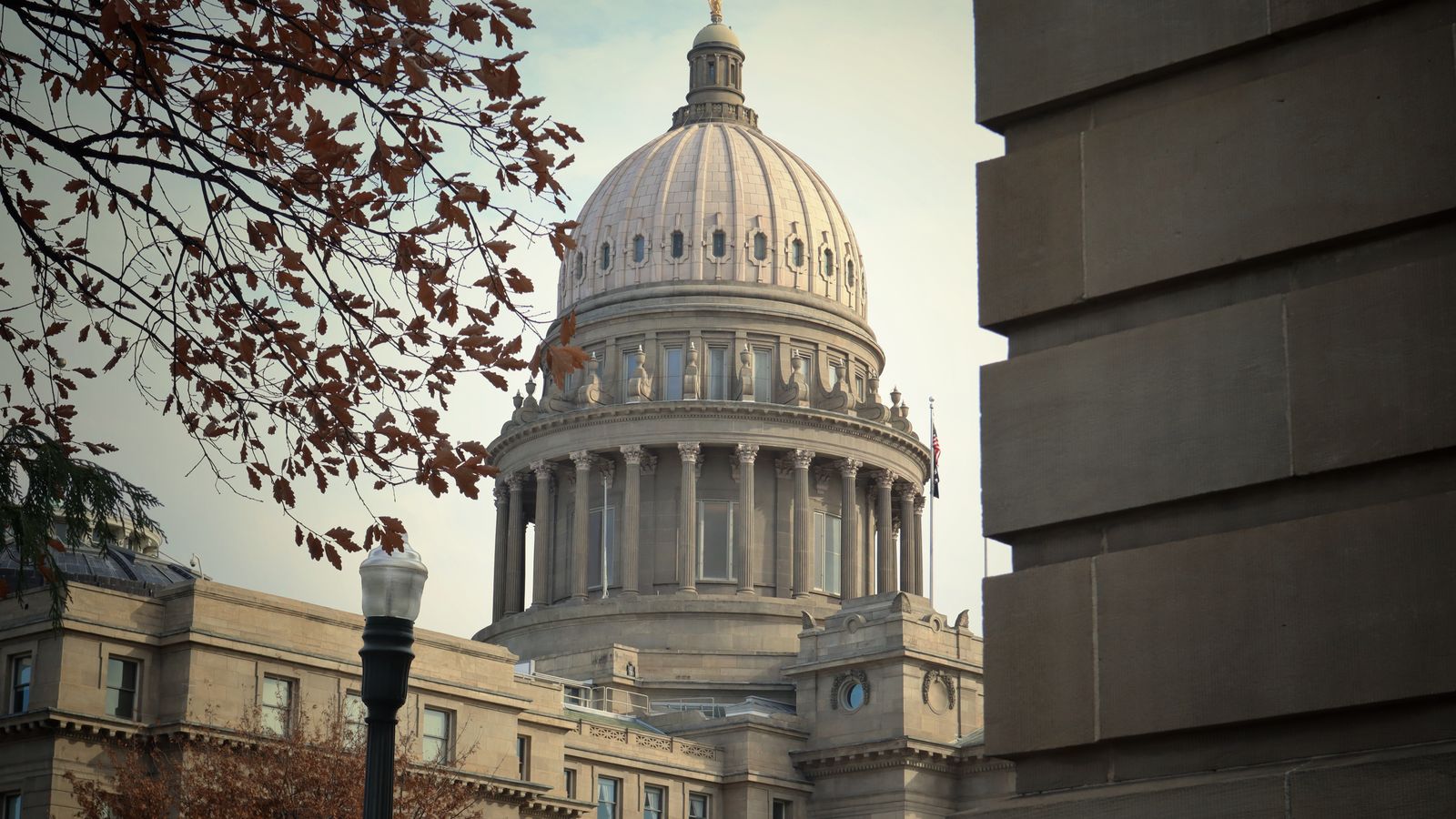
A view of the Idaho State Capitol Building framed by autumn leaves.
Pennsylvania's top Senate Democrat puts legalization on the back burner
A senior Democrat in the Pennsylvania Senate said adult-use legalization is not a "high priority" for 2027, according to a Marijuana Moment report published Nov. 16, 2026.
The framing matters. "Not a high priority" isn't a veto, and it isn't a scheduling commitment either. It's how a leader talks when deciding what gets floor time.
CannIntel's signal here is the Marijuana Moment headline and its summary line. The full text of the Democrat's remarks, including the lawmaker's name and any stated reasoning, wasn't part of that signal, so this report doesn't characterize them beyond the headline.
Why the Senate's posture is the real bottleneck
Legalization in a divided legislature requires buy-in from both chambers, and leadership signals on priorities largely decide which bills reach a vote.
Pennsylvania's medical program is already law. Adult-use has never cleared the full General Assembly. A Democratic Senate leader downgrading the issue removes one of the more plausible paths to a 2027 vote, and that's no small thing.
On a strict reading of the headline, the statement concerns legislative priority, not substantive opposition. That distinction could matter if budget negotiations create an opening for a revenue-driven cannabis package.
What the delay means for the state's tax design
Without an enabling statute, Pennsylvania has no adult-use excise rate, no wholesale or retail tax structure, and no revenue-allocation formula on the books.
Those details determine whether a program is workable. Rate stacking at the excise, sales, and local levels has sunk margins in other states, and a program that taxes at the wholesale level leaves operators in a different position than one that taxes at the register.
Pennsylvania's absence from the adult-use column also means no state revenue code provisions exist to be read, compared, or litigated. It's a clean slate. It's also a cost.
The 280E overlay operators can't legislate away
Under IRC §280E, plant-touching cannabis businesses cannot deduct ordinary business expenses beyond cost of goods sold, regardless of what Harrisburg decides.
State legalization doesn't change that federal rule. Pennsylvania's existing medical operators already live with it, and an adult-use expansion would extend the same constraint to a larger set of licensees.
Federal rescheduling of marijuana to Schedule III would, on a strict reading of the statute, remove the §280E bar for businesses trafficking in Schedule III substances. Pennsylvania's timeline and Washington's are separate variables, though they compound for any operator modeling tax drag.
The practical read: Pennsylvania operators are planning around a federal tax variable and a state legislative variable at the same time, and neither has a date.
Neighboring markets keep drawing Pennsylvania dollars
Pennsylvania is bordered by states where adult-use sales are lawful, and every legislative year without a Pennsylvania program leaves that cross-border spending intact.
New Jersey, Maryland, and Ohio all have adult-use programs, along with New York. Residents near those borders have lawful options that Pennsylvanians can't match at home.
Advocates in Harrisburg keep making that revenue argument. The Senate leader's comment suggests it hasn't yet moved the calendar.
What operators and investors should model now
Planning assumptions for Pennsylvania should treat adult-use as a post-2027 event until leadership signals otherwise.
Existing medical licensees should keep underwriting on patient counts, not a conversion windfall. Prospective entrants have no application framework to prepare for, because none exists.
Investors weighing Pennsylvania exposure face a simple question: how long can capital sit idle? The math is hard to argue with when the lawmaker controlling the agenda says the issue isn't a top item.
Where the issue goes from here
The next real indicators are the 2027 legislative calendar and the state budget process, where cannabis revenue has surfaced before.
For full background on this story, see the CannIntel topic hub on Pennsylvania cannabis legalization. The hub tracks bill filings, leadership statements, and regulatory developments as they occur.
Watch the Senate's committee assignments and any bill sponsorship announcements. A statement of low priority can change fast if budget gaps widen. Not yet, though.
Frequently asked questions
Did Pennsylvania's Senate reject marijuana legalization for 2027?
No. According to Marijuana Moment, a top Senate Democrat said legalization is not a 'high priority' for 2027. That describes legislative agenda-setting, not a formal vote or a bill's defeat.
Is adult-use cannabis legal in Pennsylvania?
No. Pennsylvania operates a medical marijuana program, but the General Assembly has not enacted an adult-use legalization statute.
How does IRC §280E affect Pennsylvania cannabis operators?
Section 280E bars deductions and credits for businesses trafficking in Schedule I or II controlled substances, other than cost of goods sold. Plant-touching marijuana businesses face it regardless of state legality.
Would federal rescheduling change Pennsylvania's outlook?
Rescheduling to Schedule III would remove the §280E deduction bar on a strict statutory reading, but it would not create a Pennsylvania adult-use market. State legislation is still required.
Sources
The cannabis newsletter you forward to your team.
Federal policy, market data, grower alerts, and the one story that matters today. Sent every weekday at 7am. Free.
No spam. Unsubscribe with one click. 21+ only.
Related from Laws

Veterans Groups Urge Congress To Regulate Hemp THC, Not Ban It
Veterans advocacy organizations are pressing lawmakers to adopt a regulatory framework for intoxicating hemp products rather than a federal prohibition.

Veterans Groups Urge Congress to Regulate, Not Ban, Hemp THC
A veterans coalition wants lawmakers to scrap a federal hemp THC ban set to take effect next month and replace it with a regulated market.
GOP Congressman Says Larger Bill Is Best Path to Save Hemp THC
A Republican lawmaker says riding hemp provisions on a must-pass package offers the strongest odds of blunting the federal intoxicating-hemp ban before it takes effect.
More from the newsroom

Tilray Brands Stock Hits Record Low as Cannabis Earnings Season Bites
Tilray shares fell to an all-time low, per Invezz, putting a cannabis and beverage-alcohol bellwether back in the value-trap debate.


Thieves bog stolen truck, leading to $27M cannabis crop find
A stolen vehicle stuck in mud reportedly exposed a $27 million illicit cannabis crop, in a case that shows how enforcement finds grows by accident rather than design.