GOP Congressman Says Larger Bill Is Best Path to Save Hemp THC
A Republican lawmaker says riding hemp provisions on a must-pass package offers the strongest odds of blunting the federal intoxicating-hemp ban before it takes effect.
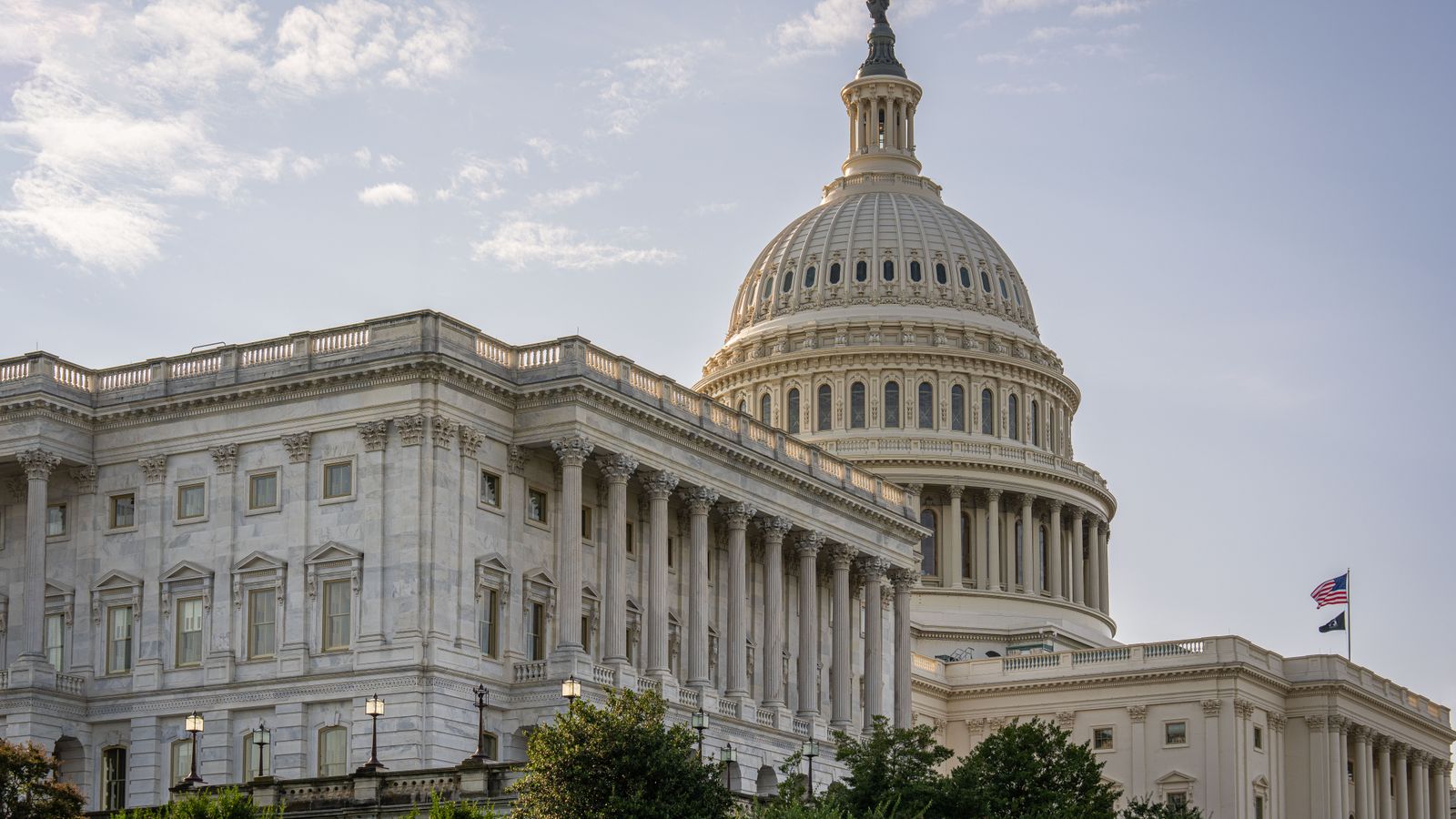
Stunning daytime view of the US Capitol Building in Washington DC, showcasing its architectural grandeur and iconic dome.
A larger vehicle is the preferred route, per the GOP lawmaker
A Republican member of Congress said the surest way to preserve legal hemp-derived THC products is to attach protective language to a larger piece of legislation rather than move a standalone bill.
The comments, reported by Marijuana Moment on Nov. 17, 2026, reflect a procedural judgment more than a policy one. Standalone hemp bills have struggled to get floor time. Riders on larger packages often don't.
CannIntel doesn't have the congressman's full remarks, so this report doesn't attribute specific quotes or name the legislative vehicle he has in mind.
Why the vehicle matters more than the text
In the House and Senate, the path a hemp amendment travels often decides its fate before anyone debates its substance.
A standalone bill has to clear committee referral, win a slot on the leadership's schedule and survive floor procedure. A provision folded into a larger measure, such as an appropriations package or a farm-policy bill, rides the momentum of legislation that already has a deadline attached.
- Standalone bill: full committee process, uncertain floor time, easy to stall.
- Attached provision: inherits the host bill's schedule, but can be stripped in conference.
- Amendment to must-pass legislation: highest leverage, highest scrutiny.
The tradeoff cuts both ways. A rider can be dropped quietly in negotiations, while a standalone bill at least leaves a clear record.
The statutory backdrop operators are working against
The hemp THC fight traces to the 2018 Farm Bill's definition of hemp, which excluded plants above 0.3% delta-9 THC by dry weight but left room for derived intoxicants.
Under 7 U.S.C. § 1639o, hemp is defined by its delta-9 THC concentration, not by total intoxicating potential. That gap let manufacturers sell products built on converted cannabinoids across state lines. Lawmakers who want to close it have moved to redefine the term to capture total THC and synthesized compounds.
For full background on the ban and the loophole debate, see the CannIntel topic hub on the federal hemp THC ban and loophole closure.
What's at stake for operators and states
Hemp THC sellers, licensed marijuana operators and state regulators all face different risks depending on whether a fix is attached to a larger bill.
Hemp-derived product makers face the most direct exposure, since a redefinition of hemp would pull many intoxicating SKUs off the market. Meanwhile, state-licensed dispensaries in California, Ohio and elsewhere watch the fight from the other side, because the hemp channel has competed with regulated retail on price and access.
The congressman's core argument, as paraphrased from the report, is that process, not persuasion, is the bottleneck: the votes to preserve some hemp THC access may exist, but only if the language travels with something that has to pass.
That read is hard to dismiss. Cannabis policy has moved through riders for a decade, from the medical marijuana appropriations protection to hemp's own legalization inside the farm bill.
What to watch next
The decisive tests are the next must-pass legislative deadlines and whether any hemp language survives conference negotiations.
The signal doesn't specify which bill the congressman favors or whether text has been drafted. Those details will show whether the strategy is a real plan or just a talking point.
Watch for a named host bill, an introduced amendment with a docket or bill number, and any statement from House or Senate leadership on whether hemp language will be allowed on the package.
For complete background, history, and our ongoing coverage of this story:
Open the CannIntel topic hub →Sources
The cannabis newsletter you forward to your team.
Federal policy, market data, grower alerts, and the one story that matters today. Sent every weekday at 7am. Free.
No spam. Unsubscribe with one click. 21+ only.
Related from Laws

Veterans Groups Urge Congress to Regulate, Not Ban, Hemp THC
A veterans coalition wants lawmakers to scrap a federal hemp THC ban set to take effect next month and replace it with a regulated market.

Marijuana Moment Flags Schumer-Van Hollen Split on Cannabis
A Nov. 17 Marijuana Moment newsletter frames a Senate Democratic contrast on cannabis policy; the underlying detail sits behind the headline and stays unverified.

NC Weighs Cannabis Recommendations as Oklahoma Police Warn
News From The States reports Oklahoma law enforcement is offering cautionary lessons as North Carolina considers legalization recommendations; the underlying details remain thin.
More from the newsroom

California Removes Nearly 1 Million Illegal Cannabis Plants
NTD News reports California eradication teams pulled close to 1 million unlicensed plants, but the signal omits the agency, season, and counties needed to judge the figure.

Snoop Dogg's Tha Dogg House Opens Barcelona Cannabis Club
Death Row Records Cannabis CEO Tiffany Chin says Spain's social club model demands a different playbook than American dispensary retail.

Wisconsin Hemp Industry Backs Democrats' Plan to End Prohibition
Wisconsin hemp operators say a Democratic push to end cannabis prohibition could replace a patchwork of federal ambiguity with a defined state market.