Pennsylvania Op-Ed Presses Lawmakers on Small-Business Access in Legalization
A published opinion piece argues any Pennsylvania adult-use law should open licensing to smaller operators, not just the incumbent medical cannabis companies. No bill has moved.

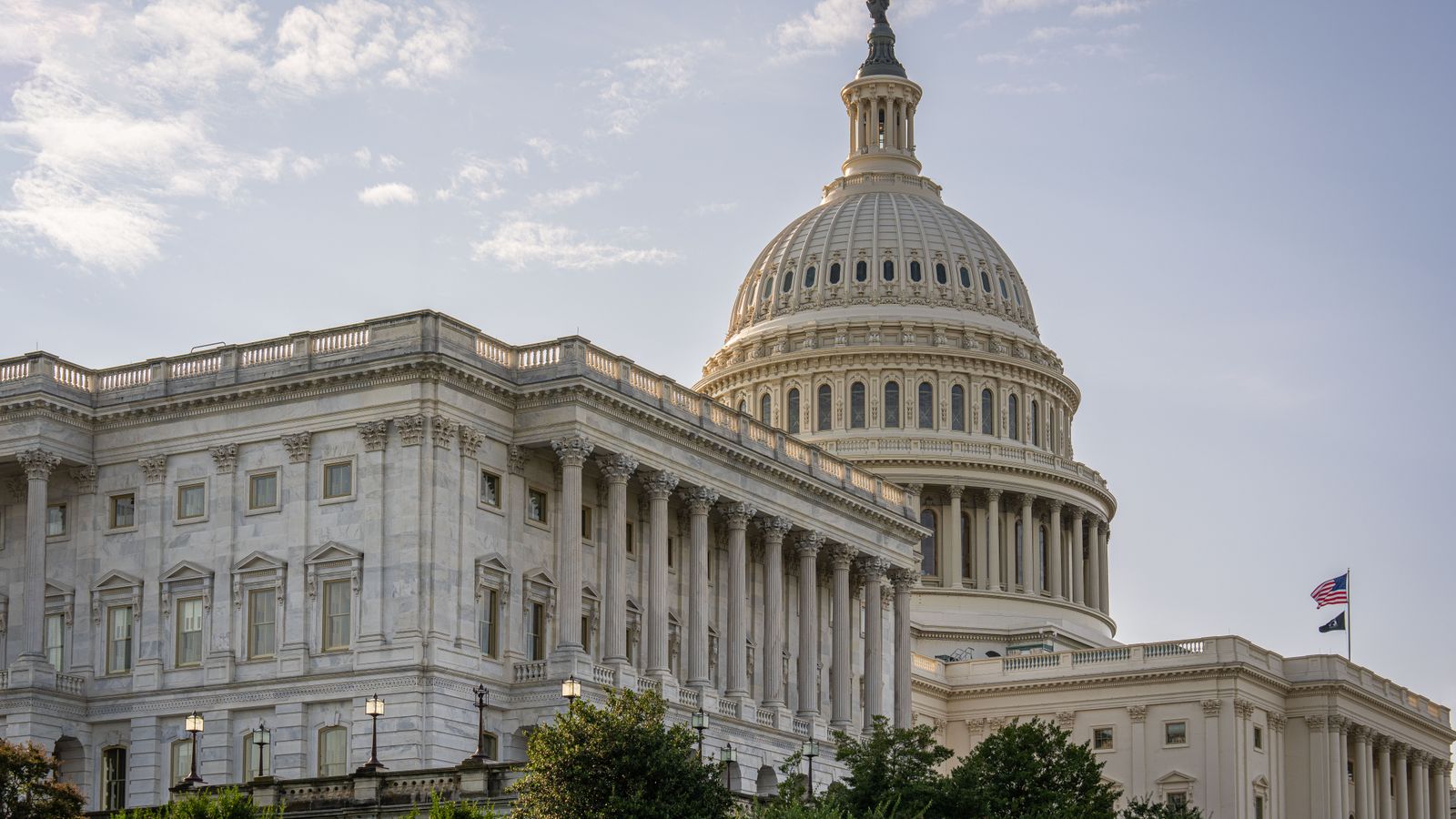
Captivating view of the Wisconsin State Capitol's ornate interior in Madison, WI.
An opinion piece, not a policy change
The Nov. 13 op-ed in The Hype Magazine is advocacy, not legislation, and it changes nothing in Pennsylvania law today. It argues that legalization should include a path for smaller cannabis businesses to compete.
CannIntel surfaced the piece through a Google News feed on Nov. 13, 2026. The signal we reviewed carries the headline and publisher but not the full text, so this report doesn't characterize the author's specific proposals or credentials. That gap matters. Readers should consult the original piece directly.
Nothing in the available record shows a committee vote, a scheduled hearing, or a new bill number tied to the op-ed.
Why license design is the real fight
Who gets a license, and at what price, determines who profits from legalization. Small-operator arguments tend to focus on the structure of the market rather than the fact of legalization itself.
In practice, the debate usually turns on a handful of levers:
- Application and licensing fee levels
- Caps on how many licenses a single company can hold
- Whether existing medical operators get first access to adult-use sales
Each of those choices is a statutory decision. If Pennsylvania moves a bill, lawmakers, not regulators, would set them.
The incumbent question in Pennsylvania
Pennsylvania's medical cannabis market gives existing permit holders a structural head start in any adult-use rollout. That's the backdrop for the small-business argument.
Medical operators already hold cultivation and dispensary infrastructure, compliance systems and capital. Smaller operators care most about one question: does a legalization bill let the incumbents add adult-use sales first, or does it open fresh licenses to newcomers? Other states have answered it differently, and the results have shaped who survived the early years of legal sales.
Pennsylvania lawmakers can study those outcomes. They aren't obliged to repeat them.
What advocacy of this kind can and can't do
Op-eds shape the conversation around a bill but carry no procedural weight in Harrisburg. Only a sponsored bill moving through committee does.
Still, framing matters. Once small-business access becomes a mainstream talking point, legislators have cover to write equity provisions, microbusiness tiers or fee relief into a draft. Incumbents, in turn, have a reason to organize against them, and that fight typically plays out in amendments, not headlines.
I'd treat this piece as a signal of where the argument is heading, not as evidence of momentum. Opinion pages are cheap. Votes aren't.
What operators and investors should track
The actionable signals are a bill introduction, a committee assignment and any language on license caps or fees. Until those appear, planning around an adult-use market remains speculative.
Operators weighing a Pennsylvania entry should watch for draft text rather than commentary. Investors should price the timeline as uncertain. A small-business-friendly structure would widen the field of competitors and squeeze incumbent margins; an incumbent-first structure would do the opposite.
For full background on the state's debate, see the CannIntel topic hub on Pennsylvania adult-use legalization. Neighboring markets such as New Jersey and Ohio offer useful comparisons on licensing and tax design.
The next marker is concrete: any bill number, sponsor and committee referral on adult-use legalization in the Pennsylvania General Assembly. Until one exists, the small-business argument stays a position paper, and the license-design fight hasn't formally begun.
For complete background, history, and our ongoing coverage of this story:
Open the CannIntel topic hub →Frequently asked questions
Has Pennsylvania legalized adult-use cannabis?
Based on the signal reviewed, no. The Nov. 13, 2026 op-ed argues for how legalization should be structured, and nothing in the available record shows an enacted adult-use framework in the state.
What does the op-ed argue?
According to its headline, it argues that legalization should give smaller cannabis businesses a chance to compete. CannIntel reviewed only the headline and publisher, not the full text, so specific proposals aren't described here.
Why do small cannabis businesses worry about legalization design?
License fees, caps on holdings and first access for existing medical operators determine who can enter the market. Those choices are set in statute, so smaller operators lobby lawmakers before a bill passes.
What should operators watch next in Pennsylvania?
A bill introduction, sponsor, committee referral and any language on license caps, fees or incumbent access. Until draft text appears, adult-use market planning remains speculative.
Sources
The cannabis newsletter you forward to your team.
Federal policy, market data, grower alerts, and the one story that matters today. Sent every weekday at 7am. Free.
No spam. Unsubscribe with one click. 21+ only.
Related from Laws
Congressional Researchers Cite 280E as Model for Taxing AI Data Centers
Congressional researchers are pointing to the cannabis industry's 280E deduction ban as a template for taxing AI data centers, per a Marijuana Herald report.

Federal hemp ban puts pet CBD market and animal safety at risk
Hemp-derived CBD products for pets face disappearance under the federal hemp ban, and neither regulators nor lawmakers have a plan for what replaces them.

Federal hemp ban puts pet CBD products in regulatory limbo
Hemp-derived CBD products for pets face disappearance under the federal hemp ban, raising a safety and market question few regulators have addressed.
More from the newsroom

NC cannabis bills face pending deadlines, renewed focus
A Winston-Salem Journal report says North Carolina lawmakers are turning back to cannabis legislation as deadlines approach; the signal supplies no bill numbers or vote dates.

South Carolina GOP Senator Says State Is Violating Law on Medical Marijuana
A Republican senator argues state officials are flouting South Carolina law by refusing to align medical marijuana policy with federal rescheduling, a claim that tests how state statutes track federal schedules.

Medical Marijuana Operators Ask Court to Pause DEA Supply-Chain Rules
A deadline-driven stay request puts DEA's medical marijuana supply-chain rules in front of a court, and the compliance clock is the real pressure point.