South Carolina GOP Senator Says State Is Violating Law on Medical Marijuana
A Republican senator argues state officials are flouting South Carolina law by refusing to align medical marijuana policy with federal rescheduling, a claim that tests how state statutes track federal schedules.
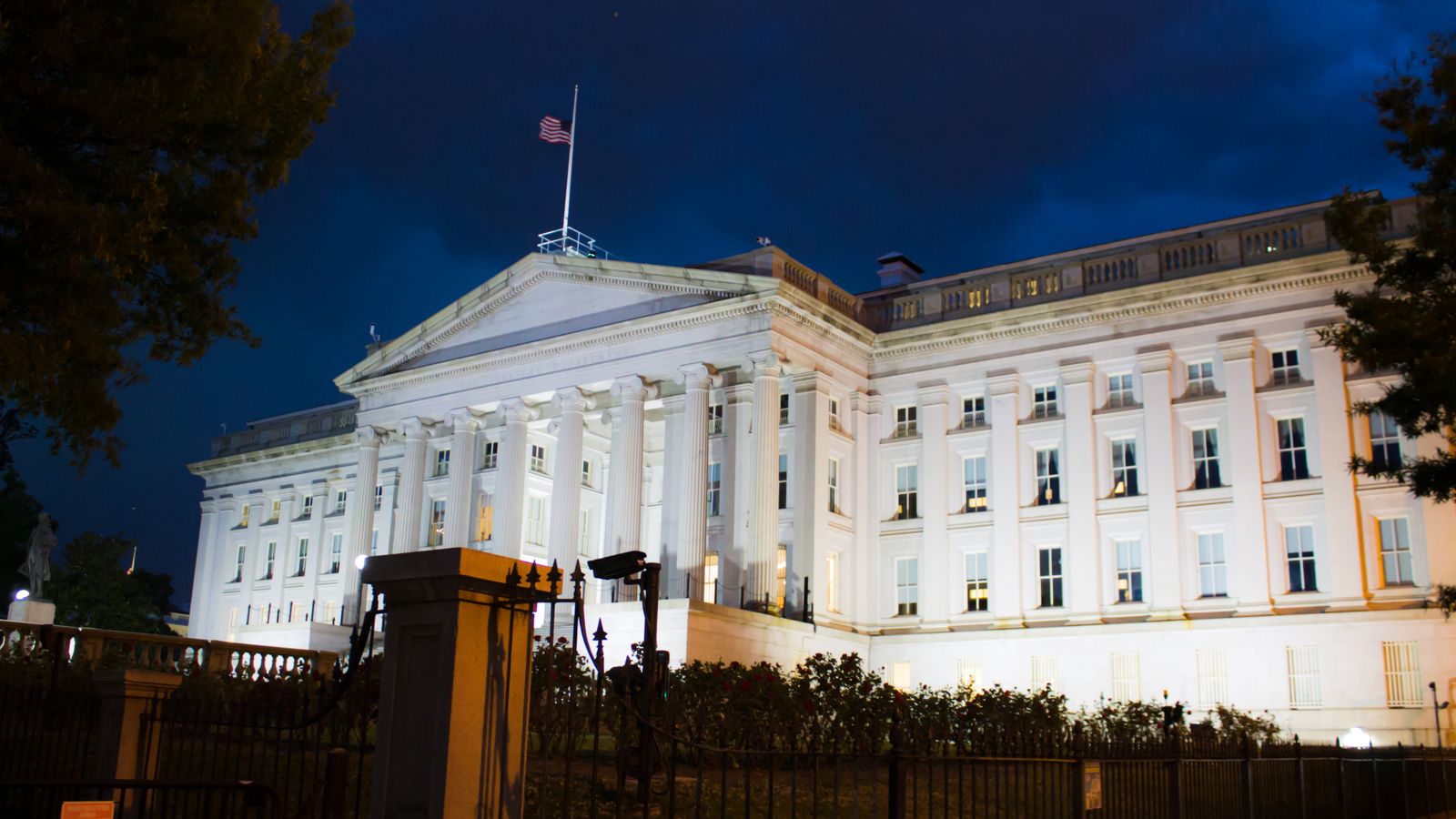
Stunning view of the U.S. Treasury Building illuminated against a twilight sky in Washington, DC.
A GOP senator says state officials are out of compliance
A Republican South Carolina senator said state officials are violating the law by declining to permit medical marijuana in step with federal rescheduling, according to Marijuana Moment.
The accusation, reported November 20, 2026, is notable for who is making it. This isn't a reform-group press release. It comes from inside the GOP caucus, in a state that has repeatedly stalled medical cannabis legislation.
CannIntel's signal doesn't include the senator's full remarks, the specific statute cited, or any response from state agencies. Those details matter. We haven't filled them in.
The legal theory: state schedules that track federal ones
The argument rests on a familiar mechanism: some state controlled-substance laws incorporate the federal schedules, so a federal change can ripple down without new legislation.
Suppose South Carolina's statute ties its own schedules to the federal list. A move of marijuana to a less restrictive schedule could then, on one reading, change what the state must allow. That's the theory the senator appears to be advancing.
Whether it holds depends on the exact statutory language. Does it incorporate federal schedules automatically, or only as they existed on a fixed date? Does it carve out marijuana by name? Courts and attorneys general have read similar provisions both ways.
Why rescheduling doesn't equal legalization
Moving marijuana to Schedule III would change federal treatment of the plant, but it would not by itself create a medical program or legalize dispensing.
Three points keep the policy fight from collapsing into a slogan:
- Schedule III status does not authorize retail sales or state-licensed dispensaries.
- A physician prescription pathway under the Food, Drug, and Cosmetic Act is different from a state-run recommendation program.
- State law can still prohibit what federal law relaxes.
That gap is why the senator's claim is aggressive. It asks a state to read a federal scheduling change as an affirmative obligation, not merely a loosened restriction.
Where South Carolina stands
South Carolina has no operating comprehensive medical marijuana program, and prior bills have failed to clear the full legislature.
The state has been one of the more resistant holdouts in the Southeast. Law enforcement and several legislative leaders have historically opposed broad medical access, and past efforts stalled before reaching final passage.
Against that backdrop, a Republican invoking the state's own law as the reason to act is a different kind of pressure. It turns a policy preference into a compliance question. For fuller background, see the CannIntel topic hub on South Carolina medical marijuana.
What it means for hemp and THCA operators
Any shift in how South Carolina treats marijuana will spill into the hemp market, where the line between legal hemp and controlled marijuana is drawn by total THC, not just delta-9.
That distinction is the whole game for THCA flower. THCA converts to delta-9 THC through decarboxylation when heated, so product that tests under the 0.3% delta-9 threshold can still deliver intoxicating levels after combustion. How a state counts THCA, as delta-9 only or as total THC, determines whether a shop is selling hemp or contraband.
If the state revisits its marijuana posture, scrutiny of that boundary will likely follow, and operators should watch whether regulators move toward a total-THC standard that would sweep in THCA products currently sitting in a gray area.
What's unsettled and what to watch
The senator's claim is a legal argument, not a ruling, and no court or state agency has been reported as adopting it.
Several open questions will decide whether this goes anywhere:
- Does South Carolina's controlled-substances statute incorporate federal schedules dynamically?
- Has the attorney general or any state agency issued a position?
- Will the senator or an affected party file suit or seek a formal opinion?
Nothing here is settled. Until someone forces a definitive reading, expect enforcement to vary by county and by agency.
The next signal to track: any request for an attorney general opinion or a filed complaint testing the senator's theory.
Frequently asked questions
What did the South Carolina senator say?
According to Marijuana Moment, a Republican state senator said South Carolina officials are violating the law by not allowing medical marijuana in line with federal rescheduling. The full remarks and the specific statute cited were not available in the source signal.
Does federal rescheduling legalize medical marijuana in a state?
No. Moving marijuana to Schedule III changes federal treatment but does not by itself create a state medical program or authorize dispensaries. States can still prohibit what federal law relaxes, which is why the senator's legal theory is contested.
Does South Carolina have a medical marijuana program?
South Carolina has no operating comprehensive medical marijuana program. Previous bills have stalled before final passage, making it one of the more resistant states in the Southeast.
How could this affect THCA and hemp products?
If South Carolina revisits marijuana policy, regulators may also scrutinize the hemp boundary. THCA converts to delta-9 THC when heated, so a total-THC standard rather than delta-9 only would reclassify many THCA flower products.
Sources
The cannabis newsletter you forward to your team.
Federal policy, market data, grower alerts, and the one story that matters today. Sent every weekday at 7am. Free.
No spam. Unsubscribe with one click. 21+ only.
Related from Laws

Alaska Considers Letting Marijuana Stores Operate 24 Hours a Day
A proposal under review in Alaska would lift daily operating-hour limits on licensed retailers, a change that would reshape staffing, security and local-control fights.

New Hampshire Lawmakers File Seven 2027 Marijuana Bills, Two Legalizing
Seven cannabis proposals are queued for the 2027 session, two of them aimed at ending New Hampshire's status as the lone New England holdout on adult-use sales.

Senate Proposals Target D.C. Cannabis Sales and Driver Testing
Two Senate cannabis proposals reportedly touch D.C. retail sales and transportation drug testing, but the signal supplies no bill numbers, sponsors or text.
More from the newsroom

Maryland Cannabis Administration Issues Hemp Sales Guidance Ahead of Federal Redefinition
Maryland regulators told retailers how to handle hemp-derived products before the federal definition of hemp changes, a preview of the compliance work facing every state.

New Mexico Moves to Ease Medical Psilocybin Rules After Pushback
State officials are loosening draft medical psilocybin regulations after stakeholder objections, a signal that the program's operating rules are still being negotiated.
Marijuana Possession Made Up 1 in 4 U.S. Drug Arrests in 2025
A report circulating Saturday says possession charges still account for roughly a quarter of all drug arrests, years into the legalization wave and with federal rescheduling unresolved.