Pennsylvania Midterms Could End Split Legislature, Reshaping Marijuana Odds
A Conversation analysis says the Nov. 3 election may hand one party both chambers, removing the structural block on adult-use legalization.
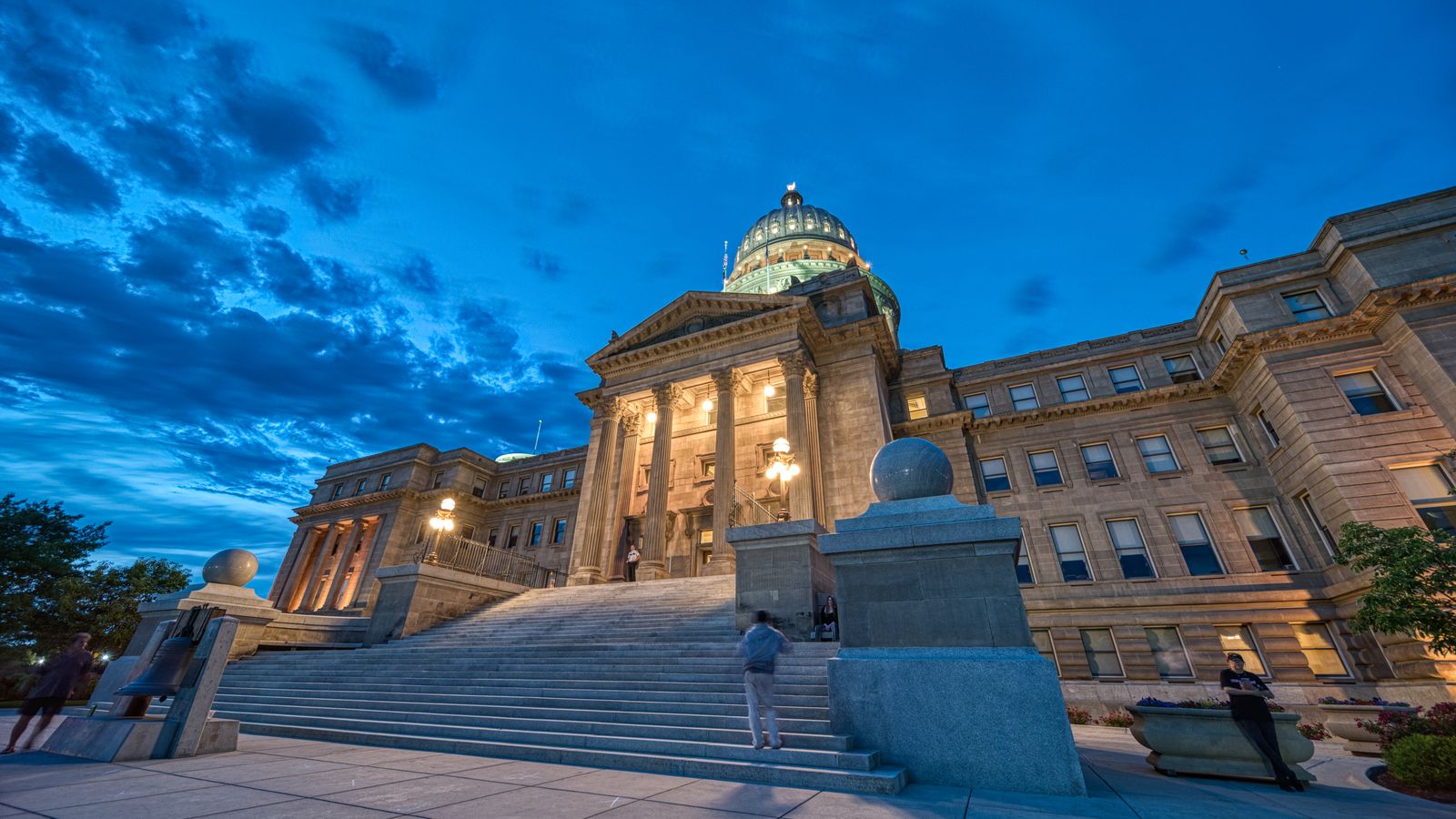
Exterior of historic classic palace with dome and decorative pillars near spacious staircase at dark peaceful night
The analysis flags marijuana as one of several policy files at stake
The Conversation said the 2026 midterms could end Pennsylvania's divided legislature, with consequences for affordability, election reform and marijuana.
Published Oct. 5, 2026, the piece frames marijuana as one item on a longer list. We worked from the published headline and summary. We haven't independently verified the article's underlying vote counts, so none are repeated here.
Structurally, it's simple. Pennsylvania currently splits control: Democrats hold a narrow House majority and Republicans run the Senate. A single-party result in either direction changes who controls the committee calendar.
Divided control has been the choke point on adult-use legalization
Pennsylvania has a medical program but no adult-use market, and the split legislature is the main reason.
Act 16 of 2016, signed by then-Gov. Tom Wolf, created the medical program. Adult-use never followed. Gov. Josh Shapiro, a Democrat on the Nov. 3 ballot himself, has repeatedly backed legalization in budget proposals.
Legalization bills have cleared hurdles in the House. They haven't survived the Senate. Not yet.
Geography adds pressure. Five of Pennsylvania's six neighbors (New Jersey, Ohio, Maryland, Delaware and New York) have adult-use sales or voter-approved legalization. West Virginia is the exception. Pennsylvania consumers can cross a border to buy, and the state forgoes the tax revenue.
Three outcomes, three different marijuana paths
Each possible election result produces a distinct legalization scenario, and only one of them is the status quo.
- Democratic trifecta: The Senate gate disappears. The fight moves inside the party, over state-run versus private retail, tax rate and social equity provisions.
- Republican trifecta: Odds fall on a strict reading of current leadership positions. Republican legislators have also sponsored legalization language, though, so a flat "no" isn't guaranteed.
- Split persists: Negotiations continue as they are. Any bill needs a bipartisan deal, and the budget remains the main vehicle.
Only the first scenario removes the veto point outright. Even then, a new session brings new bills and new committee assignments, and the budget calendar rarely runs on time.
The tax layer: legalization doesn't cure 280E
Any Pennsylvania adult-use program would still face IRC §280E, which bars deductions for businesses trafficking in Schedule I or II substances.
Section 280E is a federal tax rule that applies regardless of state law. A state-legal licensee in Harrisburg or Pittsburgh would be treated like one in Newark or Columbus. Gross profit is taxable. Ordinary operating expenses generally aren't deductible.
That shapes how the legislature should design its own levy. Pennsylvania's medical program already imposes a 5% gross receipts tax on grower/processors, and a new adult-use excise or sales tax would stack on top of a federal burden that state lawmakers can't change.
Three design variables will decide whether licensees can survive the effective rate:
- Whether the state taxes gross receipts or net income.
- Whether the rate applies at wholesale, retail or both.
- Whether existing medical operators receive priority adult-use licenses.
That math is hard to ignore. A high state rate on top of §280E is how markets in other states ended up with distressed operators.
What operators and investors should track before Nov. 3
The signals that matter are chamber-by-chamber margins, committee chair assignments and the next budget proposal, not headline polling.
Medical operators holding Pennsylvania permits have the most to gain from a Democratic sweep, because incumbents often get first access to expanded licenses elsewhere. Out-of-state multistate operators will watch whether the structure favors state-run retail, which would limit private upside.
For full background on the bills, the governor's position and the licensing debate, see the CannIntel topic hub on Pennsylvania marijuana legalization. Federal scheduling also remains a wild card, since any DEA action on rescheduling would change the §280E analysis independent of Harrisburg.
The next signal: which party controls the Senate Law and Justice Committee when the new session convenes in January, because that panel decides whether legalization bills ever reach the floor.
Sources
The cannabis newsletter you forward to your team.
Federal policy, market data, grower alerts, and the one story that matters today. Sent every weekday at 7am. Free.
No spam. Unsubscribe with one click. 21+ only.
Related from Laws

Vicente LLP Sets Webinar on DEA Registration Denials for Cannabis
The law firm's session targets operators weighing next steps after DEA registration denials and questions over whether applicants complied on time, a gap the signal does not fully detail.
Texas Lt. Gov.-elect Goodwin Puts Marijuana on 2027 Agenda
Vikki Goodwin, Texas's lieutenant governor-elect, listed marijuana alongside education, gambling and Medicaid as priorities ahead of the 2027 legislative session, according to KSAT.

Newswire Item Says DEA Restricts State Medical Marijuana Operators
A Nov. 11 headline describes DEA action against state medical programs, but names no state, rule or docket, so the claim awaits a primary document.
More from the newsroom

Oregon health officials update review of cannabis health effects
State health officials refreshed their review of cannabis health effects, weighing risks against benefits, according to NPR for Oregonians coverage published Nov. 11.

Peoria City Council votes to allow drive-through cannabis sales
Peoria's council approved drive-through and curbside cannabis sales, a local zoning move that still has to square with Illinois dispensary rules.

Texas Democrats Put Marijuana Push on Five-Item Agenda
A Christian Post list of Democratic priorities in Texas pairs a marijuana push with red flag laws and Medicaid expansion, without bill text.