Pennsylvania Governor Candidates Garrity, Shapiro Stake Out Divergent Cannabis Positions
With Pennsylvania's 2026 gubernatorial race heating up, the two leading candidates have drawn sharp contrasts on adult-use legalization and hemp policy.

Monochrome photo of the New York State Capitol building with its reflection in water, emphasizing architectural symmetry.
Shapiro Doubles Down on Adult-Use Legalization Push
Governor Josh Shapiro reiterated his support for legalizing adult-use cannabis sales in Pennsylvania, a position he's held since his 2022 campaign. Shapiro has called on the Republican-controlled state Senate to advance legalization bills that have stalled in committee for three consecutive sessions. Pennsylvania's medical cannabis program, operational since 2018, serves over 400,000 registered patients. The state has no legal pathway for adult-use sales.
Shapiro framed legalization as both a revenue opportunity and a criminal justice priority. Pennsylvania collected $3.1 million in medical cannabis tax revenue in fiscal 2025—a figure dwarfed by neighboring New Jersey's $627 million in combined medical and adult-use collections. Shapiro has proposed directing legalization revenue toward education funding and expungement programs for prior possession convictions.
Garrity Stakes Out Opposition to Recreational Sales
Republican challenger Dave Garrity, a former state representative, said he opposes adult-use legalization but supports expanding Pennsylvania's medical program and protecting the state's hemp industry. Garrity cited concerns over impaired driving and youth access as rationales for his stance. He hasn't detailed specific medical-program expansions he'd pursue.
His position aligns with the Republican legislative caucus, which has blocked floor votes on adult-use bills despite polling showing 60% of Pennsylvania voters support legalization. Garrity's hemp-industry backing reflects rural Republican priorities in a state where hemp acreage grew 18% year-over-year in 2025.
Hemp Policy Emerges as Rare Common Ground
Both candidates expressed support for Pennsylvania's hemp sector, though with different emphases. Shapiro has backed state hemp regulations that align with federal Farm Bill guidelines, while Garrity has called for reducing state-level compliance costs for small hemp farmers. Pennsylvania's hemp industry generated $47 million in farm-gate revenue in 2025, according to the state Department of Agriculture.
Neither candidate sees political risk in backing a federally legal crop with bipartisan rural appeal.
Medical Program Expansion Remains Unfinished Business
Pennsylvania's medical cannabis program has grown steadily since launch but still faces operational constraints both candidates acknowledge. The state caps dispensary licenses at 180 statewide. It restricts smokable flower sales to patients with specific qualifying conditions. Shapiro has proposed removing the flower restriction and adding anxiety and chronic pain to the qualifying-condition list. Garrity hasn't specified which reforms he supports.
Patient advocates have criticized the program's high costs—Pennsylvania's average eighth-ounce price of $52 ranks among the nation's highest—and limited caregiver provisions.
Revenue Projections Fuel Legalization Debate
Shapiro's campaign cited fiscal estimates projecting $400 million in annual tax revenue from adult-use sales within three years of legalization. Those figures, drawn from a 2023 legislative analysis, assume a 15% retail excise tax and Pennsylvania capturing market share from New York, New Jersey, and Maryland residents currently crossing state lines to purchase cannabis.
Pennsylvania is leaving hundreds of millions on the table while neighboring states collect revenue and Pennsylvania residents drive across the border.
Garrity's campaign hasn't released alternative revenue estimates but has questioned whether legalization would deliver projected windfalls, pointing to slower-than-expected rollouts in New York and Connecticut.
Criminal Justice Stakes Sharpen Contrast
Shapiro has made expungement of prior cannabis convictions a centerpiece of his legalization platform, proposing automatic record-clearing for possession offenses under 30 grams. Pennsylvania courts processed 18,400 possession cases in 2025, down from 24,100 in 2020 but still representing a significant enforcement footprint. Expungement advocates estimate 300,000 Pennsylvanians carry cannabis-related records.
Garrity hasn't addressed expungement policy in his campaign materials. His opposition to legalization implicitly preserves the status quo on possession enforcement.
What Happens Next in Pennsylvania Cannabis Policy
The governor's race will determine whether Pennsylvania joins the adult-use market or remains a prohibition outlier in a legalized region. For full background on Pennsylvania's legislative stalemate and medical program, see the CannIntel topic hub on Pennsylvania cannabis policy. The next legislative session begins in January 2027, two weeks after the November 2026 election. If Shapiro wins, legalization bills will return to committee. If Garrity prevails, adult-use prospects dim for at least four years.
Operators in New Jersey, New York, and Maryland are watching closely—a Pennsylvania adult-use market would represent the fourth-largest state economy to legalize and would reshape regional supply chains overnight.
Frequently asked questions
What is Josh Shapiro's position on cannabis legalization in Pennsylvania?
Governor Josh Shapiro supports legalizing adult-use cannabis sales in Pennsylvania and has called on the state Senate to advance stalled legalization bills. He proposes directing revenue toward education funding and expungement programs for prior possession convictions.
Does Dave Garrity support marijuana legalization?
No. Republican gubernatorial candidate Dave Garrity opposes adult-use legalization but supports expanding Pennsylvania's medical cannabis program and protecting the state's hemp industry. He cites concerns over impaired driving and youth access.
How much tax revenue could Pennsylvania generate from adult-use cannabis?
Shapiro's campaign cites fiscal estimates projecting $400 million in annual tax revenue within three years of legalization, assuming a 15% retail excise tax. Pennsylvania collected $3.1 million from its medical program in fiscal 2025.
What is the status of Pennsylvania's medical cannabis program?
Pennsylvania's medical program, operational since 2018, serves over 400,000 registered patients. The state caps dispensary licenses at 180 and restricts smokable flower sales to patients with specific qualifying conditions. Average eighth-ounce prices are $52, among the nation's highest.
How many cannabis possession cases does Pennsylvania prosecute annually?
Pennsylvania courts processed 18,400 cannabis possession cases in 2025, down from 24,100 in 2020. Expungement advocates estimate 300,000 Pennsylvanians carry cannabis-related records on their criminal histories.
Sources
The cannabis newsletter you forward to your team.
Federal policy, market data, grower alerts, and the one story that matters today. Sent every weekday at 7am. Free.
No spam. Unsubscribe with one click. 21+ only.
Related from Laws

Pennsylvania passes $50.8B budget, omits marijuana legalization
The state legislature finalized spending without adult-use cannabis language, shelving revenue projections cited by legalization advocates.
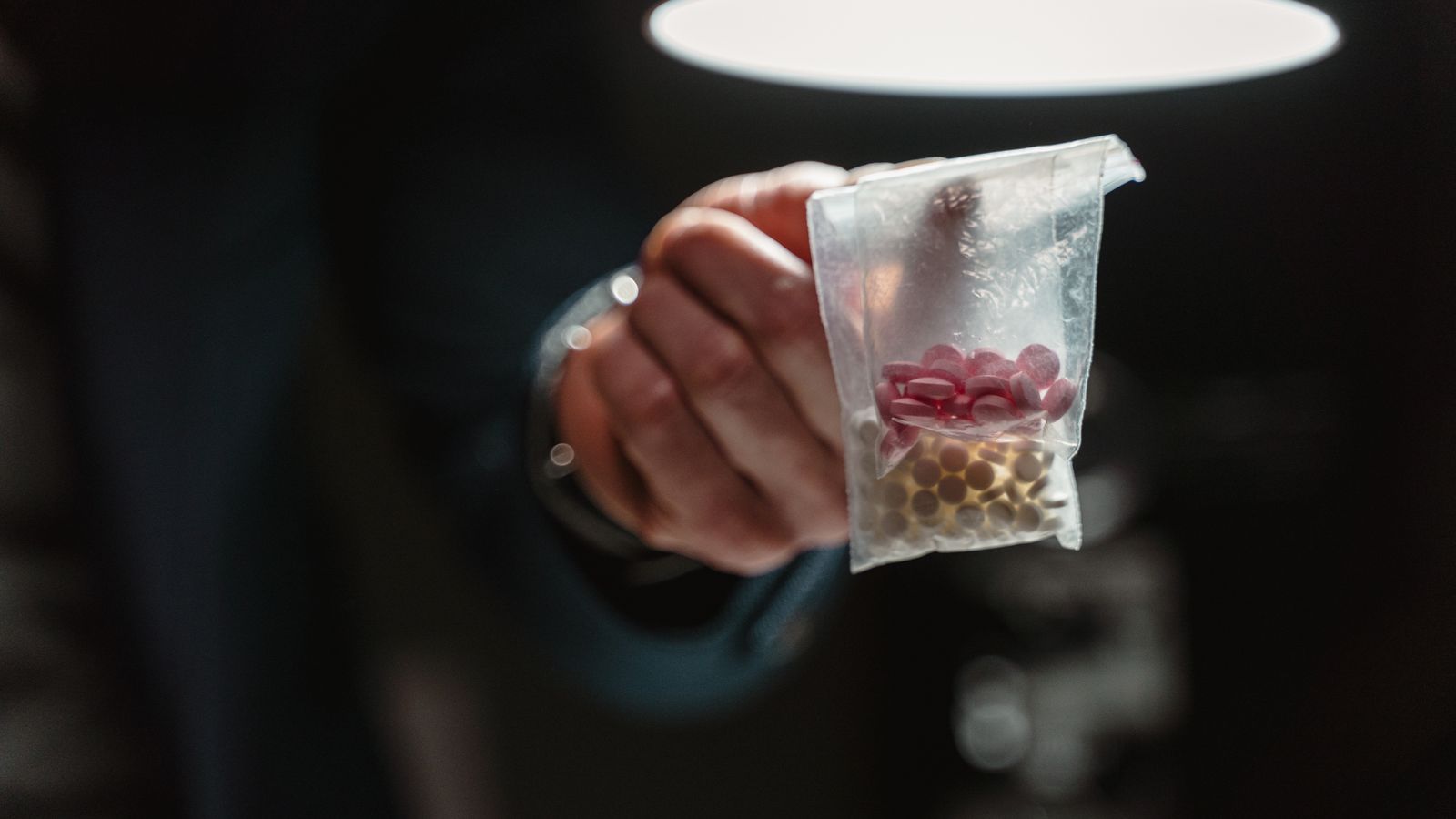
NDLEA Seizes N10.3 Billion in Canadian Cannabis, Arrests Lagos Courier
Nigeria's drug agency intercepted high-grade imported cannabis and methamphetamine in coordinated Lagos operations this week.

DEA Blocks Medical Marijuana Patient From Rescheduling Hearing
The agency denied a petition for a chronic pain patient to testify at the December administrative hearing.
More from the newsroom

Nepal Urged to Document Cannabis Landraces Before Policy Shift
Opinion piece calls for genetic preservation effort as government weighs legalization framework.

Nauni University Launches Cannabis Research Lab for Himachal Pradesh
The new facility will support the state's Green to Gold initiative by studying industrial hemp cultivation and cannabinoid extraction.

Virginia Cannabis Budget Language Triggers Legal Confusion, Political Fallout
Ambiguous fiscal language in Virginia's 2026-27 budget has sparked legal questions over cannabis retail timelines and regulatory authority.