Nepal Urged to Document Cannabis Landraces Before Policy Shift
Opinion piece calls for genetic preservation effort as government weighs legalization framework.

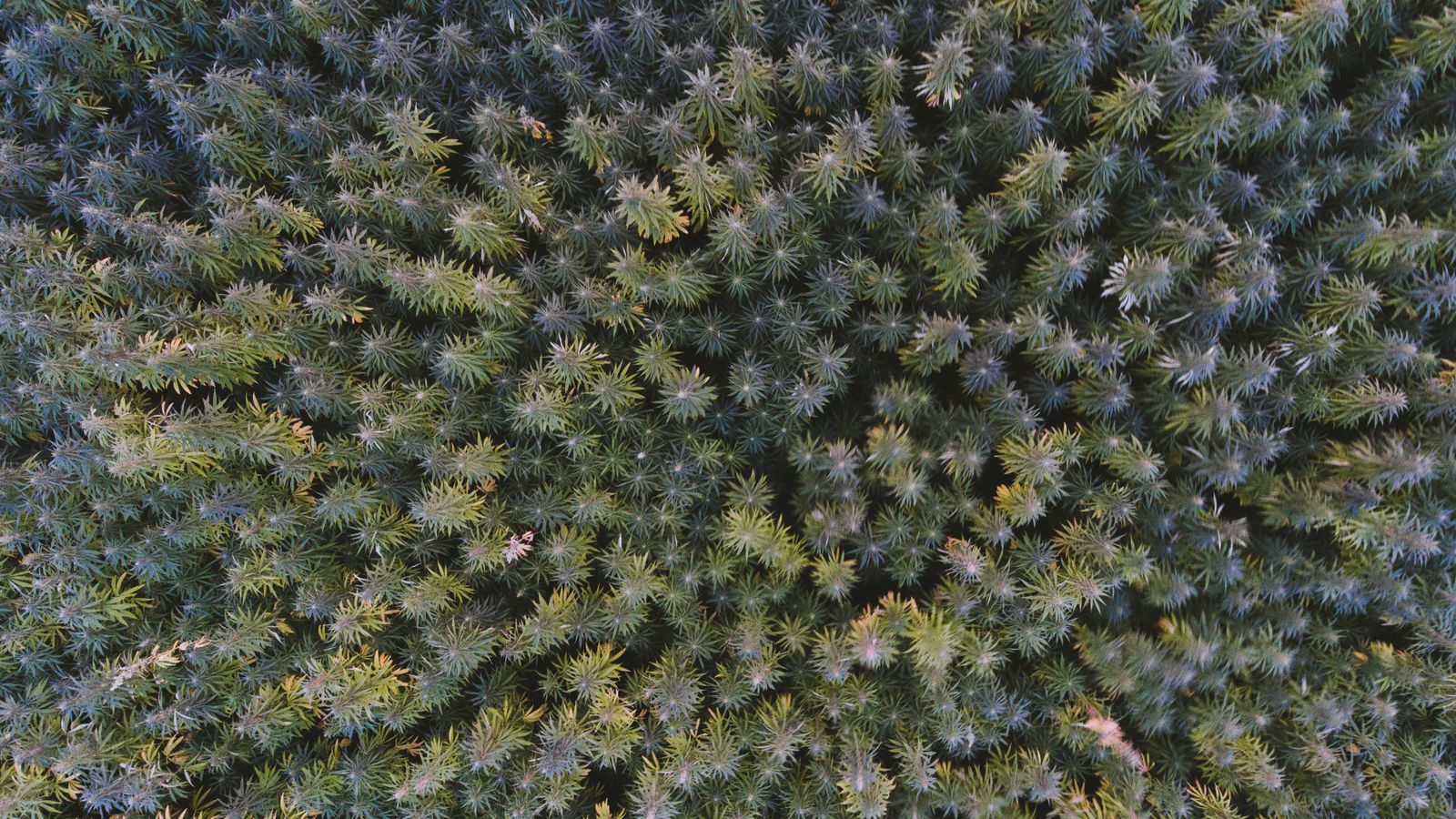
Vibrant indoor cannabis plants in a cultivation room, Silla, Spain.
The Call for Genetic Documentation
The opinion piece frames landrace preservation as a prerequisite to policy reform, not an afterthought. Nepal's cannabis varieties—adapted over generations to high-altitude microclimates in the Himalayas—represent irreplaceable genetic material that could vanish if commercial operators introduce hybridized cultivars without baseline documentation.
Timing matters. Nepal's actively debating cannabis policy reform after decades of prohibition, and early-stage legalization frameworks rarely include genetic conservation protocols.
Why Himalayan Landraces Matter
Nepal's indigenous cannabis strains carry traits bred by altitude, UV exposure, and seasonal monsoon cycles. These include:
- High-resin production adapted to intense solar radiation above 2,000 meters
- Drought tolerance and short flowering windows suited to mountain growing seasons
- Terpene profiles distinct from lowland equatorial or temperate varieties
- Genetic resistance to fungal pathogens common in humid alpine conditions
Once commercial hybrids dominate the market, these traits can be diluted or lost through cross-pollination within a single outdoor growing season.
The Documentation Gap
No comprehensive genetic survey of Nepal's cannabis population exists. According to the opinion, the country lacks:
- A national seed bank with verified landrace accessions
- Phenotype and chemotype baselines for regional varieties
- Geographic mapping of distinct cultivar clusters
- Collaboration frameworks with international germplasm repositories
Afghanistan, Morocco, and Lebanon launched landrace documentation programs alongside or before legalization debates. Nepal hasn't.
Commercial Pressure on Wild Populations
Legal markets accelerate genetic homogenization when growers prioritize yield and THC over biodiversity. The opinion cites examples from North America and Europe, where legacy outdoor cultivars were replaced by indoor-optimized hybrids within five years of legalization.
Nepal's wild and semi-domesticated cannabis populations—still widespread in rural districts—face similar risk. Without legal protections or conservation mandates, farmers will likely adopt high-yielding commercial genetics rather than maintain lower-output landraces.
What a Documentation Program Would Require
The opinion outlines a multi-year preservation effort involving seed collection, genetic sequencing, and farmer partnerships. Key components include:
- Field surveys across Nepal's cannabis-growing regions to collect seeds and tissue samples
- Whole-genome sequencing to establish genetic markers for Nepalese varieties
- Phenotype trials documenting growth patterns, cannabinoid ratios, and terpene profiles
- Legal designation of landrace protection zones where commercial hybrids are restricted
- Farmer education programs on seed-saving and open-pollination techniques
The piece doesn't specify a budget or timeline but suggests the work should begin before any commercial licensing framework takes effect.
Policy Implications
Genetic conservation should be written into legalization statutes, not left to voluntary industry initiatives. Possible mechanisms include:
- Mandatory landrace set-asides for licensed outdoor cultivators
- Tax incentives for growers who maintain documented indigenous varieties
- Public-private partnerships funding seed banks and research institutions
- Export restrictions on unverified genetic material to prevent biopiracy
For more background on this issue, see the CannIntel topic hub on Nepal cannabis landraces.
Landrace preservation is both a cultural heritage issue and a long-term economic asset, the piece notes, since authenticated Nepalese genetics could command premium prices in global markets if properly documented and protected.
The next move is Nepal's. Whether the government incorporates genetic conservation into its policy framework—or leaves it to market forces—will determine whether these varieties survive the next decade.
Frequently asked questions
What is a cannabis landrace?
A landrace is a cannabis variety that evolved in a specific geographic region over many generations, adapted to local climate, soil, and growing conditions. Himalayan landraces have traits like high resin production and UV tolerance shaped by altitude and intense solar exposure.
Why does Nepal need to document its cannabis genetics now?
Once commercial cultivation begins, farmers typically adopt high-yielding hybrids, and wild populations can be cross-pollinated within a single season. Without baseline documentation and seed banking, indigenous varieties can be lost permanently before their genetic value is understood.
What would a landrace preservation program involve?
Key steps include field collection of seeds and tissue samples, whole-genome sequencing, phenotype trials, establishing seed banks, and legal protections like landrace-only growing zones. The program would need multi-year funding and collaboration with farmers and research institutions.
Has any country successfully preserved cannabis landraces during legalization?
Afghanistan, Morocco, and Lebanon have launched documentation efforts, though results vary. North America and Europe largely failed to preserve legacy outdoor genetics, which were replaced by indoor hybrids within five years of legalization in most jurisdictions.
Could Nepal's landraces have commercial value?
Yes. Authenticated indigenous genetics with documented provenance can command premium prices in global markets, especially if tied to geographic origin protections. Traits like high-altitude adaptation and unique terpene profiles are difficult to replicate in hybrids.
Sources
The cannabis newsletter you forward to your team.
Federal policy, market data, grower alerts, and the one story that matters today. Sent every weekday at 7am. Free.
No spam. Unsubscribe with one click. 21+ only.
Related from Grow

Nauni University Launches Cannabis Research Lab for Himachal Pradesh
The new facility will support the state's Green to Gold initiative by studying industrial hemp cultivation and cannabinoid extraction.

Delta BC Cannabis Growers Advance Expansion Plans in Mid-2026
Multiple cultivation operators in Delta, British Columbia signal facility buildouts and licensing activity as regional production capacity grows.

Arizona Cultivator Launches Aeroponic Cannabis System
An Arizona cannabis company has deployed aeroponic cultivation technology, marking a rare commercial application of the soil-free growing method in the state's medical market.
More from the newsroom

Curaleaf Secures First Approval for Standardized Cannabis Product
The MSO's regulatory clearance marks a shift toward pharmaceutical-grade cannabis in U.S. markets.
Former Trump Official Pushes Hemp THC Ban in New Policy Brief
A former Trump administration drug policy adviser is calling for federal action to close the hemp THC loophole created by the 2018 Farm Bill.

Pennsylvania Budget Signed Without Adult-Use Cannabis Provisions
Governor Josh Shapiro signed Pennsylvania's fiscal 2026-27 budget after weekend legislative sessions, but adult-use legalization language was stripped from the final package.