Oklahoma's New Medical Marijuana Packaging Law Sparks Processor Confusion
Processors say the state's child-appeal ban lacks clear definitions, creating compliance uncertainty across Oklahoma's medical cannabis supply chain.
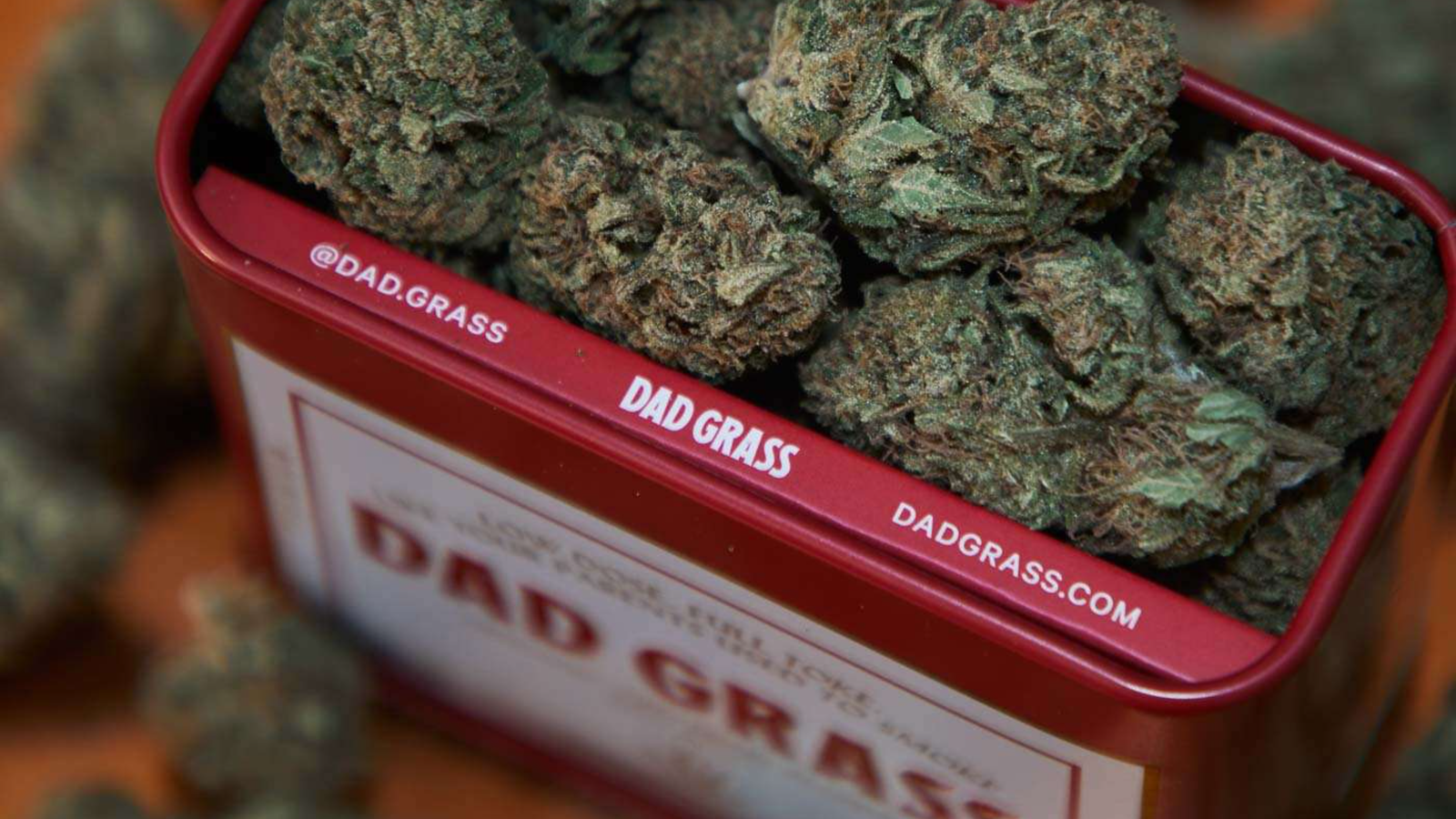
Close-up view of cannabis buds in a red metal box labeled 'Dad Grass.'
The Statute's Ambiguity Problem
Oklahoma's new packaging statute prohibits medical marijuana products that "appeal to children," but the law provides no regulatory definition of the term. The measure, passed during the 2026 legislative session, mirrors child-appeal language in other states but stops short of listing prohibited design elements such as cartoon characters, bright colors, or candy-shaped edibles.
Processors interviewed by KOCO said the lack of specificity has created a compliance vacuum. Without bright-line rules, processors must guess which packaging elements might trigger enforcement action. One processor told the station the ambiguity is "paralyzing" product development. Companies can't determine whether fruit-flavored gummies or brightly colored tincture bottles cross the line.
The Oklahoma Medical Marijuana Authority (OMMA) hasn't published formal guidance or a list of prohibited design features since the law took effect four weeks ago. OMMA didn't respond to requests for comment on when such guidance might be issued.
Industry Compliance Dilemma
Processors are adopting conservative packaging strategies to avoid potential violations, but the lack of clarity is slowing product launches and raising costs. Several processors have delayed new product lines while waiting for regulatory clarity. Others are redesigning existing packaging to remove any element that might be construed as child-appealing, including fruit imagery, playful fonts, and vibrant color schemes.
The cost of a packaging redesign cycle can run $15,000 to $50,000 per SKU when processors factor in new labels, updated compliance testing, and batch retesting.
One processor told KOCO that the company removed all fruit references from its gummy line and switched to muted earth tones, despite uncertainty about whether the original design would have violated the statute. The redesign cost approximately $30,000 across three product SKUs.
The statute doesn't specify whether enforcement will be complaint-driven or proactive. Another layer of uncertainty. Processors don't know if OMMA will conduct packaging audits or rely on consumer complaints to trigger investigations.
What Other States Define as Child Appeal
At least nine states with adult-use or medical cannabis programs have enacted child-appeal packaging bans, but most provide explicit lists of prohibited design elements. California's regulations, for example, ban cartoons, toys, and "objects, colors, or designs that are appealing to persons under 21 years of age." Colorado prohibits packaging that resembles commercially available candy or uses designs that would appeal to children.
Oklahoma's statute lacks such detail. The law states only that products must not be "designed in a manner that appeals to children," leaving processors to interpret the standard without regulatory benchmarks.
- California: Bans cartoons, bright colors, candy resemblance, and toys on packaging.
- Colorado: Prohibits candy-shaped edibles and packaging that mimics non-cannabis consumer products marketed to children.
- Washington: Requires plain packaging with no images that could appeal to minors, including fruit or dessert imagery.
- Oregon: Bans packaging that uses cartoon characters, imitates candy, or employs bright, neon colors.
For full background on this issue, see the CannIntel topic hub on Oklahoma Medical Marijuana Packaging Rules.
Oklahoma processors have asked OMMA to adopt similar standards with clear lists, but the agency hasn't indicated whether it will issue formal rulemaking or rely on case-by-case enforcement. This is unsettled. Expect enforcement to vary until OMMA publishes clear guidance or adjudicates the first violation under the new statute.
Frequently asked questions
What does Oklahoma's new medical marijuana packaging law prohibit?
The law bans medical marijuana products designed to appeal to children, but it does not define what constitutes child appeal. Processors must interpret the standard without regulatory guidance.
When did the law take effect?
The statute took effect September 1, 2026. OMMA has not yet issued formal enforcement guidance or a list of prohibited design elements.
How are other states defining child appeal in cannabis packaging?
California, Colorado, Washington, and Oregon ban specific elements such as cartoons, bright colors, candy resemblance, and fruit imagery. Oklahoma's statute lacks such enumeration.
What are processors doing in response to the law?
Processors are adopting conservative packaging strategies, removing fruit imagery and bright colors, and delaying product launches while waiting for OMMA guidance. Redesign costs range from $15,000 to $50,000 per SKU.
Will OMMA issue formal guidance on what constitutes child appeal?
OMMA has not indicated whether it will publish formal rules or rely on case-by-case enforcement. The agency did not respond to requests for comment on guidance timelines.
Sources
The cannabis newsletter you forward to your team.
Federal policy, market data, grower alerts, and the one story that matters today. Sent every weekday at 7am. Free.
No spam. Unsubscribe with one click. 21+ only.
Related from Laws
AG Blanche Says DOJ Won't Interfere With State-Legal Cannabis
Attorney General Todd Blanche said the Justice Department isn't seeking to interfere with state-legal marijuana operators, but no written policy or rule change accompanied the reported remarks.

Blanche Says Lucas Charges Aren't Aimed at State Cannabis Laws
The attorney general framed the federal case against Virginia's Senate president pro tem as conduct-based, not a move against state marijuana policy.

DOJ indicts Virginia lawmaker, six others over hemp THC shop
Federal prosecutors charged a Virginia state lawmaker and six others over a hemp THC operation, testing where hemp ends and marijuana begins.
More from the newsroom

Virginia Senator Faces Federal Marijuana and Fraud Charges
Marijuana Moment reported Oct. 22 that a top Virginia senator faces federal marijuana and fraud charges; the counts, court and named defendant await confirmation.

New Jersey Bill Extending Hemp Drink Sales Advances
A bill to extend New Jersey hemp drink sales moved forward Oct. 22, but the public record behind the headline is thin.

Survey of 7,913 German Patients Finds Pharmacy Cannabis Preferred
A survey of 7,913 German medicinal cannabis patients, nearly 90% with experience of both channels, points to the illegal market as a major source of stress.