North Carolina Beverage Distributor Urges Lawmakers to Regulate Hemp THC Drinks, Not Ban
Tryon Distributing argues a near-total ban would push consumers to unregulated markets and eliminate compliant operators.
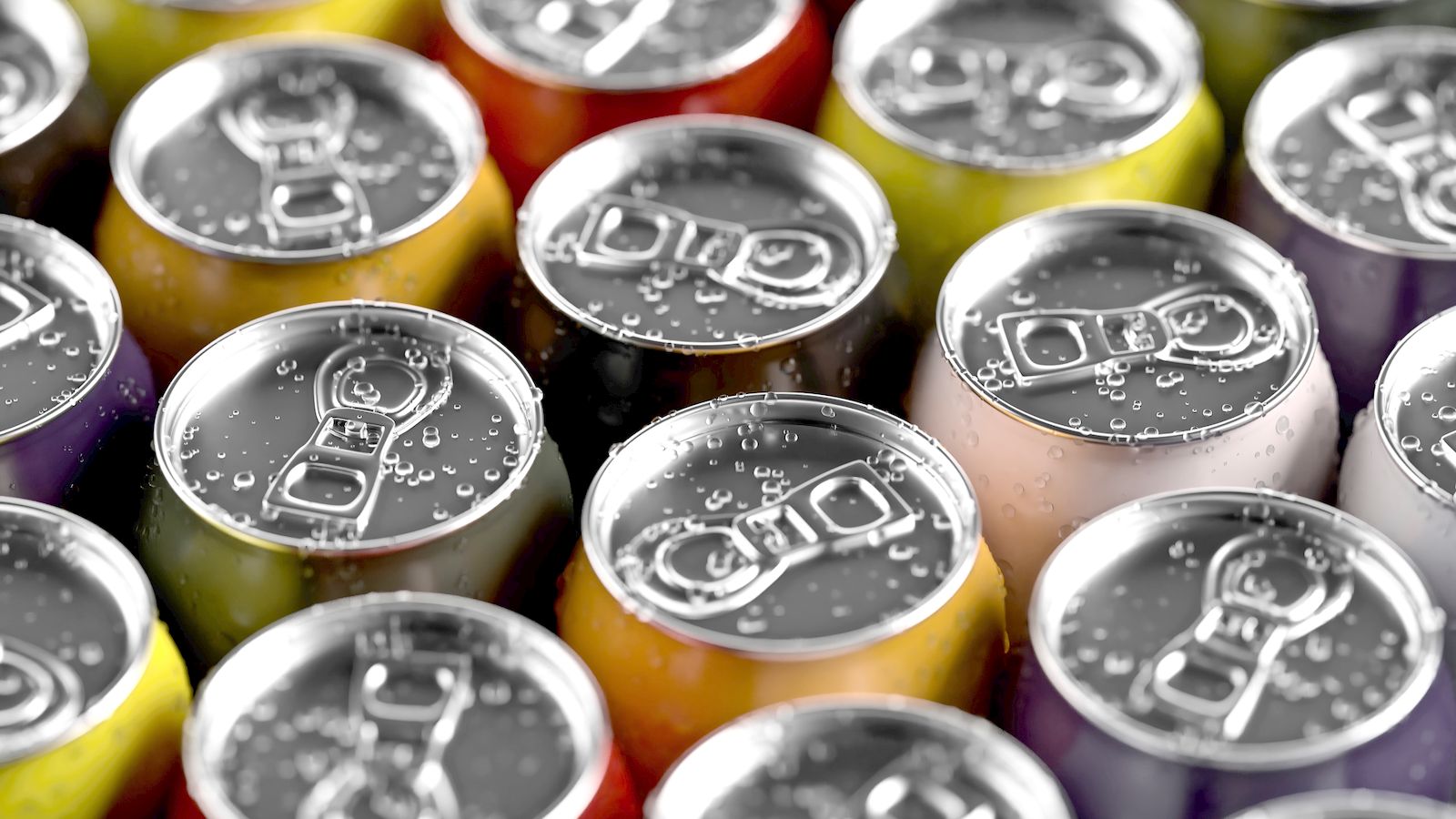
Close-up of colorful beverage cans with condensation droplets on the pull tabs.
The Argument Against a Ban
Johnston's core argument is that banning hemp THC beverages will drive the market underground and remove compliant distributors from the supply chain. Writing in Carolina Journal, she said consumer demand in North Carolina is clear. A ban would take good actors out of the space while allowing bad actors to flourish. Her op-ed comes as state lawmakers weigh legislation that would effectively prohibit most hemp-derived intoxicating products.
Tryon Distributing operates as a licensed beverage distributor in the state. Since the 2018 Farm Bill federally legalized hemp and its derivatives containing less than 0.3% delta-9 THC by dry weight, the company has positioned itself as a regulated player in the emerging hemp THC drink category—a segment that's grown rapidly.
North Carolina's Legislative Landscape
State lawmakers are considering bills that would impose strict limits or outright bans on hemp-derived intoxicating cannabinoids sold in beverage and edible formats. Proposals under debate include age restrictions, potency caps, and product bans that would effectively eliminate most hemp THC drinks from retail shelves. Johnston's op-ed directly challenges the prohibition approach, framing regulation as the smarter policy path.
North Carolina hasn't yet passed comprehensive hemp regulation. The state allows hemp sales under federal law but lacks state-level guardrails on potency, labeling, or distribution. That gap has created a patchwork market. Products range from low-dose seltzers to high-potency gummies with minimal oversight.
The Case for Regulation Over Prohibition
Johnston argues North Carolina has a unique opportunity to create the best hemp beverage law in the country by setting clear rules instead of banning products outright. Her position echoes arguments from other industry stakeholders who say regulation—age gates, lab testing, potency limits, and licensing—can address safety concerns without pushing consumers into unregulated channels.
This debate mirrors alcohol policy history. Prohibition didn't eliminate demand; it moved supply to untraceable sources. Johnston's argument is that the same dynamic applies to hemp THC drinks. If licensed distributors can't sell tested, labeled products, consumers will find them elsewhere. Without safety guarantees.
Consumer Demand and Market Dynamics
Johnston's op-ed emphasizes that consumer demand for hemp THC beverages is already established in North Carolina, creating a market that won't disappear with a ban. Sales data from other states show hemp-derived delta-8 THC and delta-9 THC drinks have gained traction as legal alternatives to alcohol and traditional cannabis products. North Carolina retailers report strong sales in the category, particularly among consumers who want a controlled, social experience without the legal risks of marijuana.
Tryon Distributing's stake in this fight is straightforward. The company distributes beverages through licensed channels and would lose a revenue stream if the ban passes. But the industry argument is that regulation legitimizes the market and creates tax revenue, job growth, and consumer protection mechanisms that prohibition can't deliver.
What Happens Next
North Carolina's legislature hasn't yet voted on a final hemp THC bill, and the debate is likely to extend into the next session. Lawmakers face pressure from two sides: public health advocates and law enforcement groups pushing for bans, and industry operators and consumer advocates arguing for regulation. Johnston's op-ed is part of a growing chorus from licensed businesses trying to shape the policy before it locks in.
For full background on this story, see the CannIntel topic hub on North Carolina Hemp THC Regulation.
Watch for this signal next: whether North Carolina follows states like Minnesota and Colorado in creating a regulated hemp THC market, or joins states like Arkansas and Oregon in imposing strict bans. That outcome will set the template for how Southern states handle hemp-derived intoxicants in 2027.
Frequently asked questions
What is Tryon Distributing's position on North Carolina hemp THC drink legislation?
Tryon Distributing, through executive Melissa Johnston, is urging North Carolina lawmakers to regulate hemp THC beverages rather than ban them. The company argues that a near-total ban would drive the market underground, eliminate compliant distributors, and allow unregulated bad actors to dominate the space.
What legislation is North Carolina considering for hemp THC drinks?
North Carolina lawmakers are debating bills that would impose strict limits or outright bans on hemp-derived intoxicating cannabinoids in beverage and edible formats. Proposals include age restrictions, potency caps, and product prohibitions that would effectively eliminate most hemp THC drinks from retail shelves.
Why does Johnston argue regulation is better than a ban?
Johnston argues that regulation—through age gates, lab testing, potency limits, and licensing—can address safety concerns without pushing consumers into unregulated channels. She says consumer demand is already established and a ban would simply move sales to untraceable sources, similar to alcohol prohibition.
Does North Carolina currently regulate hemp THC products?
No. North Carolina allows hemp sales under the 2018 Farm Bill but lacks state-level regulations on potency, labeling, or distribution for hemp-derived intoxicating products. This has created a patchwork market with minimal oversight on product safety and dosing.
What is the likely timeline for North Carolina hemp THC legislation?
The North Carolina legislature has not yet voted on a final hemp THC bill. The debate is expected to continue into the next legislative session, with pressure from both public health advocates pushing for bans and industry operators arguing for regulation.
Sources
The cannabis newsletter you forward to your team.
Federal policy, market data, grower alerts, and the one story that matters today. Sent every weekday at 7am. Free.
No spam. Unsubscribe with one click. 21+ only.
Related from Laws
Nevada County Approves Dispensary Selection Process for Two Towns
Supervisors approved a process for choosing cannabis dispensary operators in North San Juan and Soda Springs, but the county notice leaves key details unstated.
DEA Accepts New Report in Rescheduling Hearing; Foes Seek Discovery
DEA does not object to a new report entering the marijuana rescheduling record, while opponents ask for added testimony and document discovery.
Puerto Rico Rolls Back Medical Cannabis Workplace Protections
High Times Magazine reports Puerto Rico has narrowed employment protections for medical cannabis patients, raising questions about which workers lose coverage and which keep it.
More from the newsroom

Organigram enters fight for Aurora as Curaleaf bid clock runs
British American Tobacco's stake in Organigram could put the tobacco giant at the center of the Aurora contest before Curaleaf's offer expires Dec. 4.
L.A. Cannabis Industry Rallies Behind Nithya Raman, Substack Reports
A High Adam post says Los Angeles operators are energizing around Councilmember Nithya Raman, but the platform details behind the 'actual plan' remain unverified.
Tilray Medical Wins Approval for In-House EU-GMP Cannabis Testing
Tilray Medical can now run EU-GMP quality testing in-house, a move that could shift lab costs and batch-release timing, though key details remain undisclosed.