L.A. Cannabis Industry Rallies Behind Nithya Raman, Substack Reports
A High Adam post says Los Angeles operators are energizing around Councilmember Nithya Raman, but the platform details behind the 'actual plan' remain unverified.
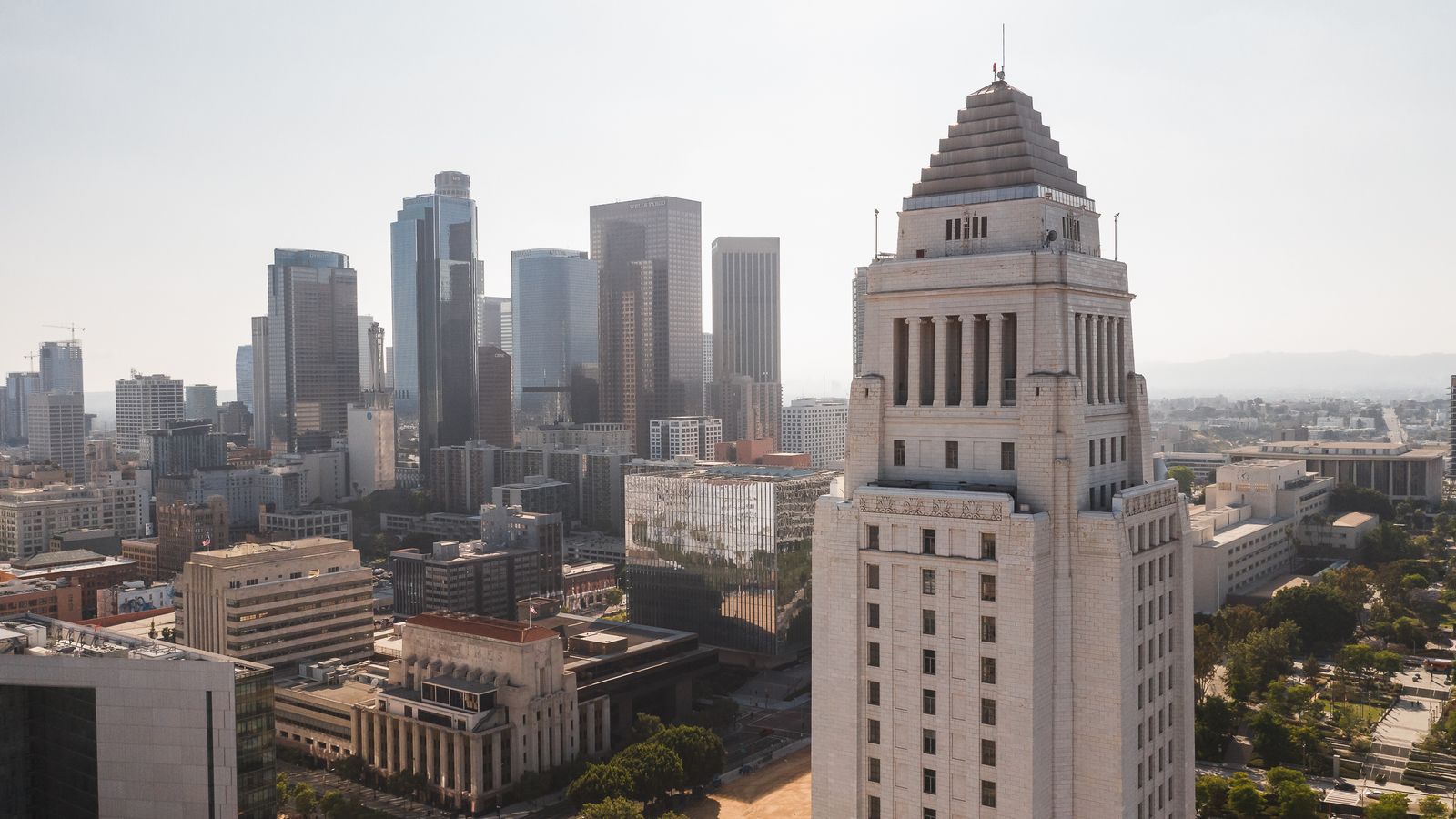
Aerial view of Los Angeles City Hall with the city skyline in the background.
A Substack headline puts the L.A. cannabis vote on the board
The High Adam post, published Oct. 13, frames Nithya Raman as the Los Angeles politician the cannabis crowd believes has a concrete agenda.
Start with the headline. "She Has an Actual Plan" is the phrase High Adam chose to lead with, and the subhead says Raman is getting the L.A. cannabis crowd "fired up." Raman represents District 4 on the Los Angeles City Council.
That's the verifiable core. CannIntel hasn't independently confirmed the specific policies, the number of operators involved, or who in the industry is publicly backing her. Not yet.
Still, the framing is the news. Industry enthusiasm for a local politician is rare in California, where years of delayed licensing and tax pressure left many operators cynical about City Hall. When a trade-focused newsletter leads with the word "plan," it tells you what the audience has been missing.
Why a city councilmember matters to a licensed operator
Los Angeles controls the local layer of cannabis licensing, and for many operators that layer decides whether a business survives.
California voters legalized adult-use sales through Proposition 64 in 2016, and the state's Department of Cannabis Control (DCC) issues state licenses. A business still can't open in Los Angeles without a local authorization from the city's Department of Cannabis Regulation. That's where the bottlenecks sit.
The city also runs a Social Equity Program, built to steer licenses and support toward people harmed by prohibition-era enforcement. Operators and advocates have long argued about whether the program delivered. The council sets the rules and funds the oversight, and it shapes how fast the pipeline moves.
So a council voice who engages with that machinery gets noticed. A councilmember can't change federal tax law, and the pain of 280E, the Internal Revenue Code provision that bars cannabis businesses from deducting ordinary expenses, isn't hers to fix. She can, however, influence local fees, enforcement priorities and how the city treats legal operators versus illicit shops.
The cleanest read: 'actual plan' is a verdict on the status quo
The phrase works as a criticism of how Los Angeles has handled cannabis, not just a compliment to one politician.
On the cleanest read, operators are responding to specificity. Cannabis voters in L.A. have heard broad promises about equity, enforcement and economic recovery for years. A candidate who arrives with named proposals stands out against that backdrop, even if the proposals are modest.
That reading has limits. A plan on paper isn't a plan that clears the council, survives the budget process and gets implemented by a department that has struggled with capacity. Plenty of cannabis-friendly pledges have died in committee.
The industry's enthusiasm is best understood as a bet that detailed policy beats general sympathy, and that bet only pays if the details hold up under budget pressure.
Here's the opinion: operators are right to reward specificity, and wrong if they stop asking what it costs.
What operators and investors should press for
Enthusiasm is cheap, so the useful test is whether the plan addresses licensing speed, enforcement against unlicensed sellers and the equity pipeline with measurable commitments.
Licensed retailers in California have spent years competing against unlicensed storefronts and delivery operations that skip taxes and testing. Any credible local plan has to say how the city would act against them, who would carry out that enforcement, and how it would be funded. Without that, a pro-industry message is a slogan.
Equity licensees have a different set of questions. Many entered the market with limited capital and found themselves stuck in leases, build-outs and compliance costs while the market compressed. Operators in that group will look for concrete support, such as faster processing, technical assistance or access to capital, rather than another round of eligibility language.
Investors should read the story through a narrower lens. Los Angeles is one of the largest legal cannabis markets in the United States, and local policy shifts change store economics at the margin. A friendlier council doesn't repair a market with oversupply and heavy taxes. It can stop making things worse.
For full background on how city politics shape the market, see the CannIntel topic hub on Los Angeles cannabis politics.
What CannIntel has not verified
The signal behind this story is a headline and a publication date, so the specifics of Raman's cannabis platform remain unconfirmed.
CannIntel didn't have the full text of the High Adam piece when this report was written. We can't say which proposals the post describes, whether Raman or her campaign commented, or which operators or trade groups are quoted. Those gaps matter, and we won't fill them with guesses.
We also can't say how much organizational weight the cannabis community carries in her political operation. Industry excitement doesn't always translate into votes, donations or turnout. Cannabis operators are a small slice of any city's electorate, and their influence usually runs through money, advocacy and the credibility they lend on workforce and small-business issues.
Reporting that would sharpen the picture is straightforward. It would include Raman's published positions on the Department of Cannabis Regulation, her council voting record on cannabis items, any campaign finance records showing industry donors, and on-the-record comment from licensed operators in her district and across the city. CannIntel will update this story as those materials surface.
The next signal to watch: any written cannabis platform or policy memo from Raman's office, and whether the Department of Cannabis Regulation's licensing backlog and enforcement posture show up in her public remarks before the next council budget cycle.
Frequently asked questions
Who is Nithya Raman?
Nithya Raman represents District 4 on the Los Angeles City Council. A High Adam Substack post published Oct. 13, 2026, reports that she is energizing the city's cannabis community, citing her 'actual plan.' CannIntel has not independently verified her cannabis policy specifics.
Why does the L.A. City Council matter for cannabis businesses?
California's DCC issues state licenses, but Los Angeles requires local authorization through its Department of Cannabis Regulation. The council sets rules, funding and priorities for that department, including the Social Equity Program and enforcement against unlicensed operators.
Can a city councilmember fix 280E?
No. Section 280E is a federal tax provision that bars cannabis businesses from deducting ordinary expenses. Only federal action, such as rescheduling or legislation, changes it. A city can influence local fees, licensing speed and enforcement, which affect operator margins indirectly.
What is in Raman's cannabis plan?
CannIntel has not confirmed the details. The High Adam headline says she has an 'actual plan,' but the signal available to us did not include the full text. We will update this story when her specific proposals are verified.
Sources
The cannabis newsletter you forward to your team.
Federal policy, market data, grower alerts, and the one story that matters today. Sent every weekday at 7am. Free.
No spam. Unsubscribe with one click. 21+ only.
Related from Laws

New York Opens Adult-Use Nursery License Applications Nov. 5
A Vicente LLP report says New York will accept adult-use nursery applications starting November 5, opening a new supply-chain lane in the state's cannabis market.
Worcester Mayor Joins Fight Against Massachusetts Cannabis Repeal
The mayor of Massachusetts' second-largest city urged voters to reject the repeal question as two new polls pointed to a likely defeat.

Nebraska Cultivators Ask State to Change Testing, Fee, Doctor Rules
Nebraska's medical marijuana growers want state officials to revisit three rule areas that shape their costs, their risk and their patient base.
More from the newsroom

ASA Announces 2026 Cannabis Safety Awards as Rescheduling Looms
Americans for Safe Access named its 2026 Cannabis Safety Awards honorees, tying the recognition to rescheduling-era debates over youth access, impaired driving and product safety.

Vireo Makes Latest $21M Florida Purchase, Deepening MSO Foothold
MJBizDaily reported the multistate operator's newest Florida deal, a $21 million purchase that extends a pattern of incremental buying in a license-capped medical market.

High Times Reframes Cannabis Pain Debate Around Patient Fit
A High Times Magazine piece published Oct. 21 shifts the chronic pain question from whether cannabis works to which patients it works for.