Worcester Mayor Joins Fight Against Massachusetts Cannabis Repeal
The mayor of Massachusetts' second-largest city urged voters to reject the repeal question as two new polls pointed to a likely defeat.
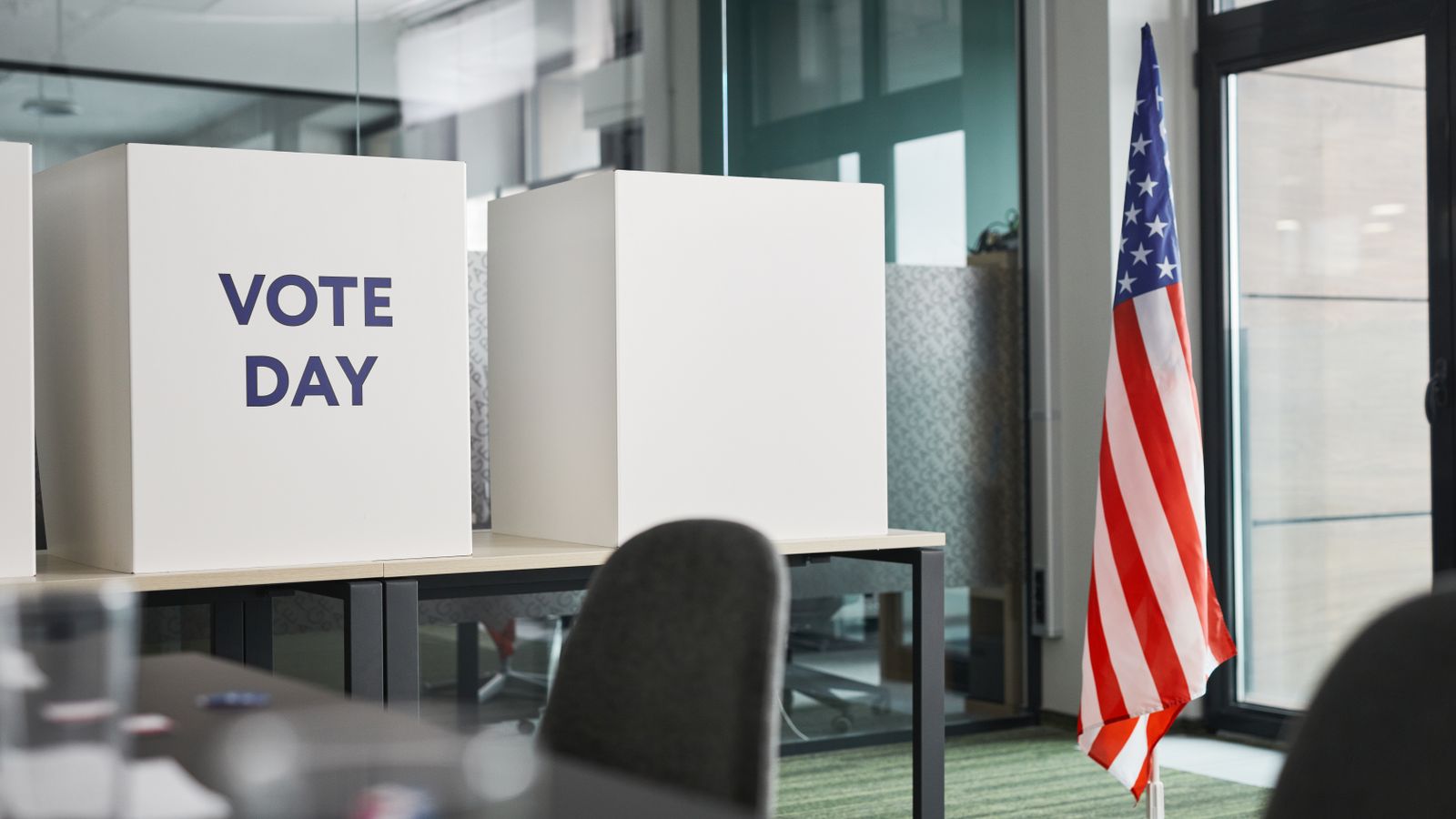
Voting booths with an American flag in an office, symbolizing Election Day.
Worcester Puts a Big-City Mayor Against Repeal
The mayor of Worcester, the state's second-largest city, is now publicly urging a no vote on the repeal question. Cannabis Business Times reported the endorsement on Oct. 21, 2026.
That same report cited two new polls that, in its words, show "little appetite for going back." It described the repeal measure as prohibitionist and headed for likely defeat.
What the Polls Do and Don't Establish
The reporting establishes direction, not margin. The summary we reviewed doesn't include toplines. Sample sizes and the names of the pollsters are missing too.
That matters. A poll showing opposition to repeal isn't a certified result, and ballot questions that start with a lead can tighten once campaign spending arrives. We won't put a number on the cushion until the underlying surveys are published.
On a Strict Reading, the Stakes Are Fiscal
A repeal would end more than retail sales; it would unwind the local revenue structure built around licensed operators. Massachusetts municipalities such as Worcester negotiate host community agreements with licensees, so their budgets are tied to the licensed market's survival.
Operators carry their own tax burden. Under IRC §280E, businesses trafficking in Schedule I or II substances can't deduct ordinary business expenses, so licensed firms already pay a heavy federal load. A repeal wouldn't relieve that. It would remove the revenue that offsets it.
Why a City Endorsement Matters
Municipal opposition counters the argument that local governments want out. Repeal campaigns often lean on local discomfort with dispensaries. A mayor of a large host city rejecting the measure complicates that pitch.
It's a signal, not a decider. Mayors don't cast the votes that count.
What Licensees Should Do Before the Vote
Operators should treat a likely defeat as a planning assumption, not a certainty. A sensible checklist for compliance and finance teams:
- Confirm host community agreement terms and any renewal dates.
- Review Cannabis Control Commission (CCC) licensing obligations that would continue through any transition.
- Model cash flow with and without a repeal outcome.
The Next Signal Is the Ballot Itself
Election Day, not polling, settles whether Massachusetts keeps its adult-use market. For full background, see the CannIntel topic hub on the Massachusetts cannabis repeal ballot question.
Watch for published poll toplines and campaign finance filings in the final two weeks. Those will show whether "likely defeat" is a trend or an assumption.
For complete background, history, and our ongoing coverage of this story:
Open the CannIntel topic hub →Frequently asked questions
Who is opposing the Massachusetts cannabis repeal question?
Cannabis Business Times reported on Oct. 21, 2026, that Worcester's mayor is encouraging voters to reject the measure. Worcester is the state's second-largest city. The report didn't list other officials in the summary reviewed.
What do the new polls show about the repeal question?
Cannabis Business Times said two new polls show little appetite for going back on legalization. The summary we reviewed didn't publish toplines, margins or pollster names, so the size of the lead is unverified.
Would repeal change a cannabis business's IRC §280E exposure?
No. Section 280E is a federal provision that bars ordinary business deductions for trafficking in Schedule I or II substances. A state repeal would not remove it. It would eliminate the licensed revenue operators use to absorb that tax cost.
Why does Worcester's position matter to the vote?
Municipalities negotiate host community agreements with licensed operators, so large host cities have a financial interest in the market. A mayor's opposition counters claims that local governments want out, though it doesn't determine the outcome.
Sources
The cannabis newsletter you forward to your team.
Federal policy, market data, grower alerts, and the one story that matters today. Sent every weekday at 7am. Free.
No spam. Unsubscribe with one click. 21+ only.
Related from Laws

Blanche Says Lucas Charges Aren't Aimed at State Cannabis Laws
The attorney general framed the federal case against Virginia's Senate president pro tem as conduct-based, not a move against state marijuana policy.

DOJ indicts Virginia lawmaker, six others over hemp THC shop
Federal prosecutors charged a Virginia state lawmaker and six others over a hemp THC operation, testing where hemp ends and marijuana begins.

New Jersey Bill Extending Hemp Drink Sales Advances
A bill to extend New Jersey hemp drink sales moved forward Oct. 22, but the public record behind the headline is thin.
More from the newsroom

Virginia Senator Faces Federal Marijuana and Fraud Charges
Marijuana Moment reported Oct. 22 that a top Virginia senator faces federal marijuana and fraud charges; the counts, court and named defendant await confirmation.

Survey of 7,913 German Patients Finds Pharmacy Cannabis Preferred
A survey of 7,913 German medicinal cannabis patients, nearly 90% with experience of both channels, points to the illegal market as a major source of stress.
Virginia Sen. L. Louise Lucas indicted in marijuana business case
The Washington Post reported the indictment of Virginia's Senate president pro tempore, a figure in state cannabis debates. The charging details were not in the initial report.