New York's Highest Court to Hear Marijuana Odor Search Case Next Week
The Court of Appeals will decide whether cannabis odor alone justifies warrantless vehicle searches under state law.

A stunning view of skyscrapers against a bright blue sky in Manhattan's downtown area.
The Constitutional Question Before the Court
The case turns on whether marijuana odor retains its status as probable cause for a search after legalization removed criminal penalties for possession of up to three ounces. New York's Marijuana Regulation and Taxation Act, enacted March 31, 2021, decriminalized possession but left open the question of what investigative authority police retain when they detect cannabis odor during a traffic stop.
Lower courts have issued conflicting rulings. Some trial courts have suppressed evidence obtained from odor-based searches, reasoning that legalization eliminated the automatic inference of criminality. Others have upheld searches on grounds that odor may still indicate illegal quantities, impaired driving, or unlicensed sales.
The Defendant's Argument
Defense counsel argues that on a strict reading of the MRTA, odor alone can't establish probable cause because the statute permits adults to possess and transport cannabis within legal limits. The defendant in the pending case was stopped for a traffic violation; officers reported smelling marijuana and searched the vehicle without a warrant, recovering contraband unrelated to cannabis.
The defense contends that the search violated Article I, Section 12 of the New York Constitution, which provides broader privacy protections than the federal Fourth Amendment. New York courts have historically applied a more stringent standard for warrantless searches than federal precedent requires.
Prosecution's Position
The state maintains that marijuana odor remains a valid factor in establishing probable cause because possession over three ounces, public consumption, and impaired driving remain criminal offenses. Prosecutors argue that officers can't determine the quantity of cannabis or the driver's impairment level by odor alone. Eliminating odor as an investigative tool would undermine enforcement of remaining prohibitions, they say.
District attorneys cited People v. Hansen, a 2014 Court of Appeals decision holding that the odor of burnt marijuana provided probable cause to search a vehicle even when medical marijuana was legal in New York. That decision predated adult-use legalization. It didn't address the MRTA's broader decriminalization framework.
Implications for Law Enforcement
A ruling that odor no longer constitutes probable cause would require police to articulate additional factors before conducting a search. Those factors might include visible impairment, open containers, or quantities exceeding legal limits. The New York State Association of Chiefs of Police filed an amicus brief warning that such a standard would complicate enforcement of DUI laws and illegal sales.
At least six other states with legal adult-use programs have addressed the odor question through statute or case law. Maryland and Virginia enacted laws explicitly prohibiting odor-based searches after legalization. Pennsylvania's Supreme Court ruled in 2023 that odor alone doesn't justify a search under the state's medical marijuana program.
The Court of Appeals' decision will clarify whether New York follows the restrictive Maryland-Virginia model or preserves broader investigative discretion for officers who detect cannabis odor during lawful stops.
What Comes Next
Oral arguments are scheduled for September 19, 2026, with a decision expected within 60 to 90 days. The ruling will bind all New York trial and appellate courts. It may prompt the state legislature to codify a statutory standard if the Court declines to establish a bright-line rule. For complete background on how legalization affects search-and-seizure law, see the CannIntel topic hub on marijuana odor search laws.
Defense attorneys are watching closely. A defense-favorable ruling could provide grounds for suppression motions in hundreds of pending cases where evidence was obtained following odor-based searches.
Sources
The cannabis newsletter you forward to your team.
Federal policy, market data, grower alerts, and the one story that matters today. Sent every weekday at 7am. Free.
No spam. Unsubscribe with one click. 21+ only.
Related from Laws

Medical Cannabis Inhalation Bans Remain in Seven States Despite Evidence
Seven states prohibit medical cannabis patients from smoking flower, forcing reliance on costlier alternatives.

Florida Proposes $146,000 License Fee in Permanent MMTC Framework
State regulators released draft rules setting five-day application windows and six-figure entry costs for medical cannabis operators.
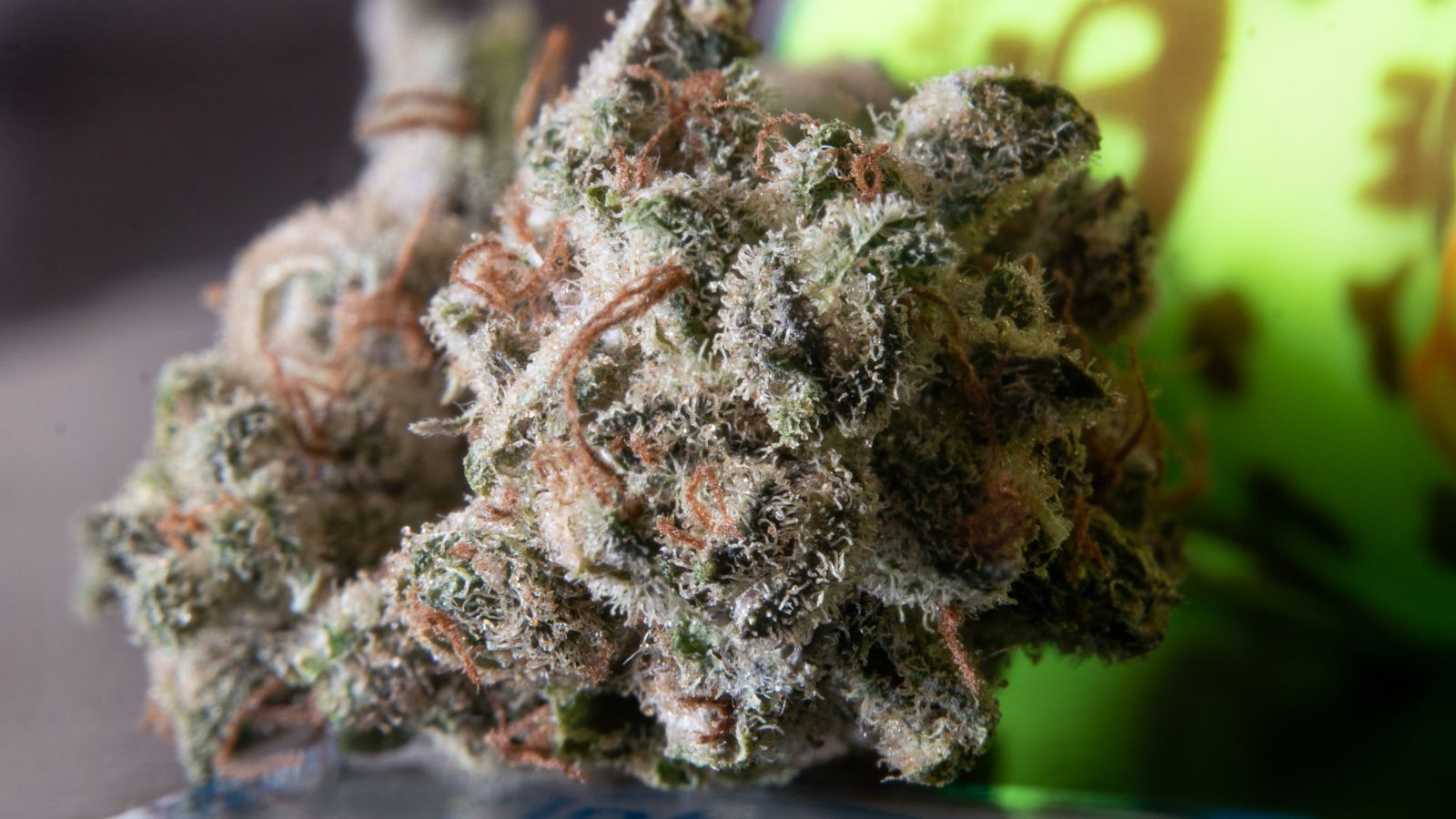
Netherlands Cannabis Experiment Lowers Prices, Adds Variety Without Increasing Use
Government report finds regulated supply chain reduced coffeeshop prices by 25% while consumption rates held steady.
More from the newsroom
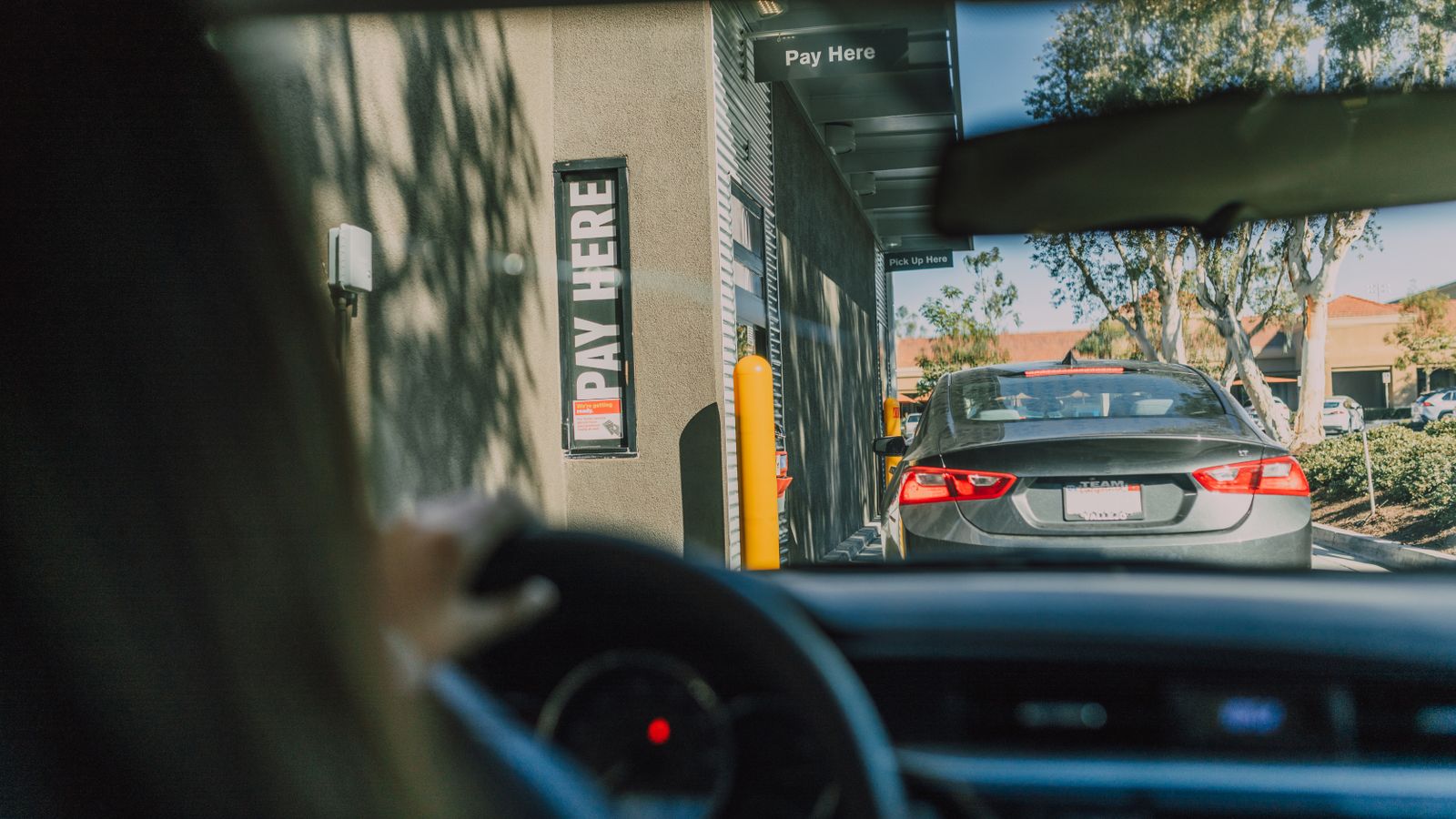
Woodstock Dispensary Launches Drive-Thru After Illinois Law Change
A Woodstock cannabis retailer became one of Illinois's first drive-thru operators after state lawmakers authorized the service model in 2026.

Lagos food-safety agency partners with NDLEA on cannabis edibles
LASCOPA and Nigeria's narcotics bureau launch joint enforcement targeting THC-infused snacks and beverages.

Massachusetts Voters Face Cannabis Repeal Ballot Question in November
A citizen-led initiative to overturn the state's 2016 legalization law qualifies for the ballot, raising questions about banking compliance and federal exposure.