Nebraska Supreme Court Upholds Medical Cannabis Voter Initiatives
The state's highest court rejected a constitutional challenge to two November 2024 ballot measures that legalized medical marijuana.

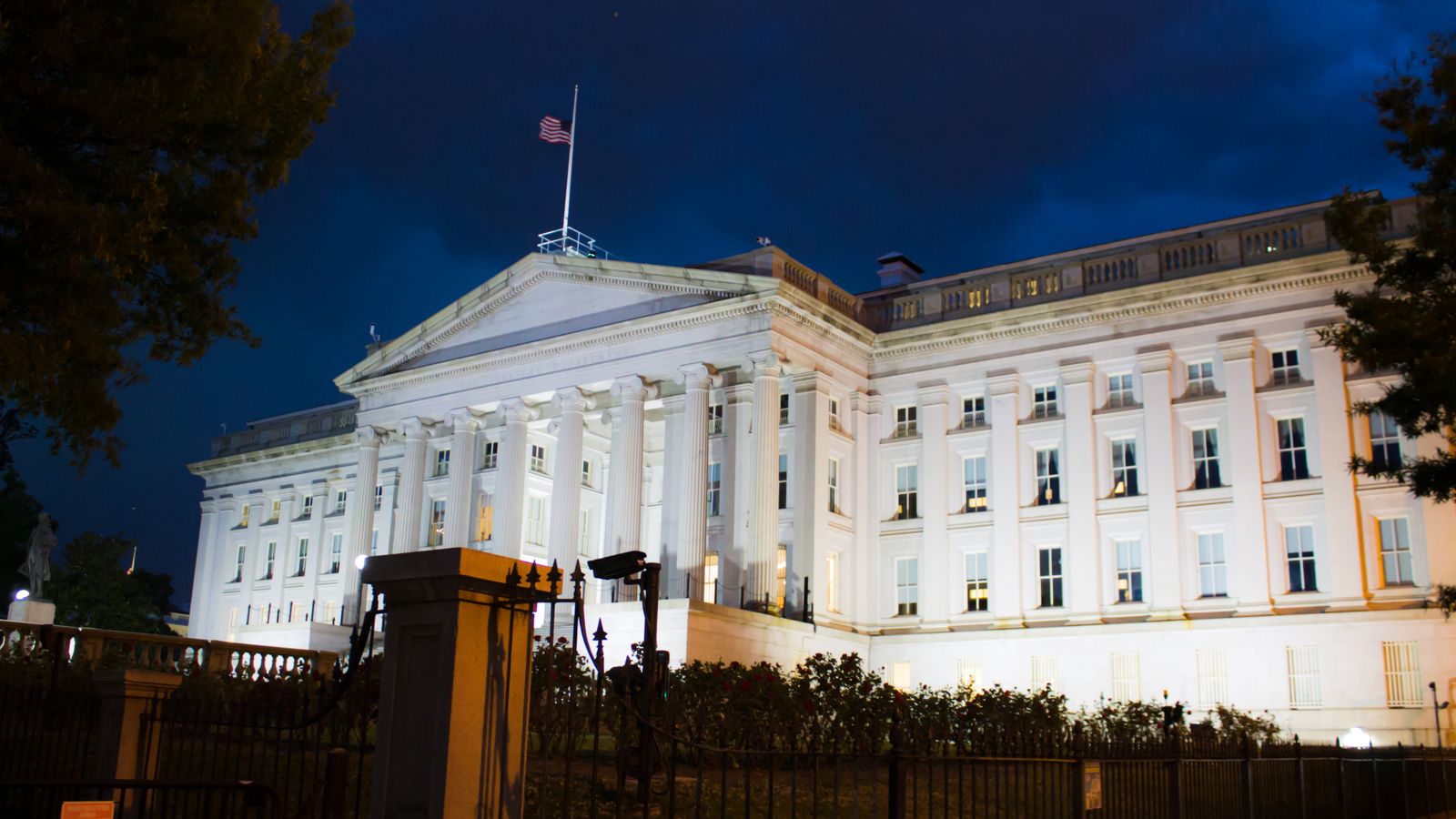
Close-up of the ornate archways and columns at the Minnesota State Capitol building.
Constitutional Challenge Rejected on Procedural Grounds
The Nebraska Supreme Court dismissed the challenge without reaching the merits of the single-subject claim. Plaintiffs argued that the two ballot measures—one establishing a medical cannabis regulatory framework and one legalizing possession—violated the state constitution's single-subject rule by bundling multiple policy questions. But the court's opinion turned on standing and timeliness rather than substantive constitutional analysis.
On a strict reading of Nebraska's election-contest statute, the court found challengers failed to meet the statutory prerequisites for pre-certification review. The November 2024 measures passed with 70.1% (Initiative 437, the regulatory framework) and 66.8% (Initiative 438, the legalization provision) voter approval.
Two-Initiative Structure Survived Legal Scrutiny
Initiative 437 created the Nebraska Medical Cannabis Commission and directed it to promulgate rules for cultivation, testing, dispensing, and physician certification. Initiative 438 separately amended Nebraska Revised Statutes §28-401 to exempt qualified patients and caregivers from criminal penalties for possession of up to 5 ounces of usable cannabis and 10 grams of concentrate.
The bifurcated structure was intentional. Campaign organizers separated the regulatory apparatus from the legalization provision to insulate each from single-subject challenges that had invalidated prior Nebraska cannabis initiatives in 2020 and 2022. That strategy worked. The court declined to consolidate the measures for constitutional analysis.
Program Implementation Timeline Remains Uncertain
The ruling doesn't mandate an implementation date, leaving the Medical Cannabis Commission's rulemaking schedule open-ended. State statute requires the commission to adopt final rules within 18 months of the measures' effective date, which was January 1, 2025. That deadline—July 1, 2026—has already passed without published regulations.
Resource constraints and pending litigation caused the delay, the commission says. With the legal challenge now resolved, the commission faces pressure to publish a Notice of Proposed Rulemaking (NPRM) for cultivation licenses, testing protocols, and dispensary siting requirements. No NPRM has been filed as of this publication date.
Tax Structure and Revenue Projections Under Review
Initiative 437 imposes a 10% excise tax on gross receipts from medical cannabis sales, in addition to the state's 5.5% general sales tax. The combined 15.5% effective rate applies at the point of retail sale. Revenue from the excise tax is earmarked for the Medical Cannabis Regulatory Fund, which finances commission operations, with surplus directed to the state's General Fund after FY2028.
The Nebraska Department of Revenue projected $12–18 million in annual excise-tax collections once the program reaches steady state, assuming 25,000–35,000 registered patients and an average per-patient annual spend of $2,400. Those estimates predate the two-year implementation delay and haven't been updated to reflect current patient-demand modeling.
Federal Tax Implications Remain Unresolved
Nebraska-licensed cannabis businesses will face IRC §280E disallowance of ordinary business deductions because cannabis remains a Schedule I controlled substance under federal law. Section 280E prohibits deductions for expenses related to trafficking in Schedule I or II substances, forcing dispensaries and cultivators to calculate federal taxable income on gross receipts minus cost of goods sold (COGS) only.
A Nebraska dispensary operating at 40% gross margin and 25% net margin pre-280E would face an effective federal tax rate of roughly 70–80% of net income, assuming no state-level conformity relief. Nebraska doesn't conform to federal taxable income for corporate income tax purposes, instead using a separate state-specific calculation under Neb. Rev. Stat. §77-2734.01, which may allow certain deductions disallowed federally. Operators should model both scenarios.
Next Procedural Milestones
The Medical Cannabis Commission must now publish its cultivation-license application framework and dispensary-siting rules. State statute caps the number of cultivation licenses at 100 statewide and limits dispensaries to 10 per county, with population-based adjustments for counties exceeding 100,000 residents. Lancaster County (Lincoln) and Douglas County (Omaha) are expected to receive the maximum allocation.
For comprehensive analysis of Nebraska's regulatory structure and compliance requirements, see the CannIntel topic hub on Nebraska Medical Cannabis Program. License applications aren't expected to open before Q2 2027.
For complete background, history, and our ongoing coverage of this story:
Open the CannIntel topic hub →Frequently asked questions
When will Nebraska dispensaries open?
No firm date has been set. The Medical Cannabis Commission must first publish cultivation and dispensary rules, then open a license-application window. Industry observers expect applications to open in Q2 2027 at the earliest, with first sales in late 2027 or early 2028.
What tax rate will Nebraska medical cannabis sales face?
A combined 15.5%: a 10% excise tax under Initiative 437 plus the state's 5.5% general sales tax. Federally, operators face IRC §280E disallowance of most business deductions, resulting in effective federal tax rates of 70–80% of net income.
How many dispensaries will Nebraska allow?
State statute caps dispensaries at 10 per county, with adjustments for high-population counties. Statewide, the program is expected to support 100–150 dispensaries once fully implemented, concentrated in Lancaster and Douglas counties.
Can Nebraska patients grow their own cannabis?
No. Neither Initiative 437 nor Initiative 438 permits home cultivation. Patients must purchase from licensed dispensaries once the program is operational.
Sources
The cannabis newsletter you forward to your team.
Federal policy, market data, grower alerts, and the one story that matters today. Sent every weekday at 7am. Free.
No spam. Unsubscribe with one click. 21+ only.
Related from Laws

Wisconsin Democrat Sets Marijuana Legalization as Funding Plan
A Democratic candidate for Wisconsin governor said the state should legalize marijuana to pay for education and healthcare expansion, but legislative math still blocks the path.
Op-Ed: Marijuana Rescheduling Delayed, Not Derailed, Says Marijuana Moment
A Marijuana Moment op-ed argues the Schedule III effort has slowed but survives, a framing with direct 280E and compliance stakes for operators.

Forbes Says 2026 Marijuana Ballot Debate Has Changed; Hemp Is Why
A Forbes story on the 2026 ballot says the marijuana debate has shifted. The hemp-THC definition fight is one place that shift is already measurable.
More from the newsroom

Study Finds No Cognitive Gap in Epilepsy Patients Using Marijuana
A report published Oct. 12 found no significant cognitive differences between epilepsy patients with and without recent marijuana use, but the full methodology isn't yet verified.

Still River Wellness Workers Ratify 4-Year UFCW Contract
Torrington dispensary employees locked in a four-year deal with UFCW Local 371, giving Connecticut operators a rare long-dated labor cost marker.
Victoria Cannabis Psychosis Hospitalizations Rise, Report Says
Medical Xpress reported rising cannabis-related psychosis hospitalizations in Victoria, but the case counts are missing. Potency, coding and demand are the variables that matter.