NC hemp businesses brace for federal THC restrictions in December
North Carolina hemp operators are preparing for a federal THC cutoff rooted in Congress's rewrite of the hemp definition, according to MMJDaily.
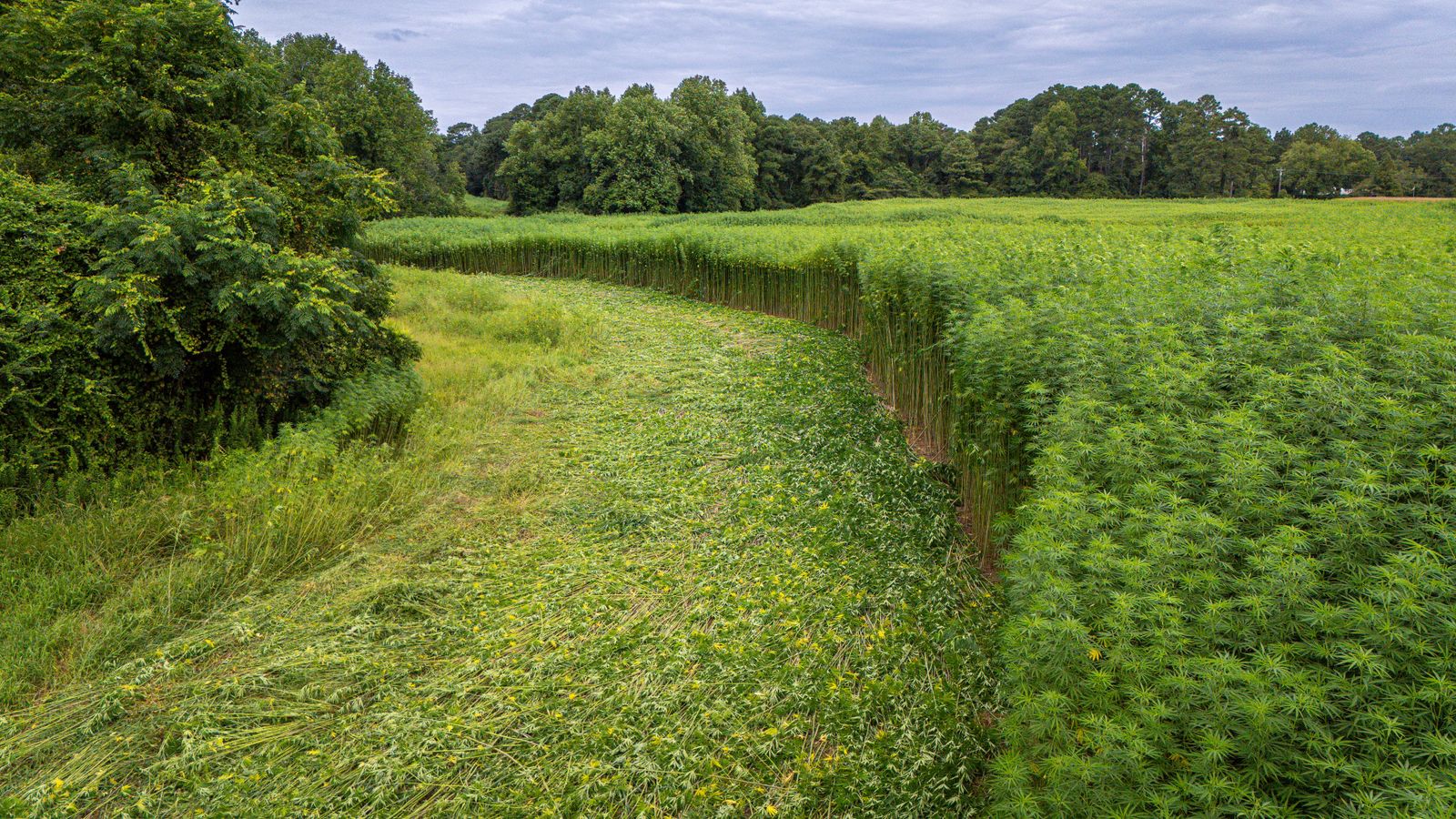
Expansive view of a hemp field bordered by dense trees under a cloudy sky.
North Carolina operators prepare for a federal cutoff
MMJDaily reported on Oct. 13, 2026, that North Carolina hemp businesses are bracing for federal THC restrictions it placed in December.
CannIntel reviewed the MMJDaily headline and summary. The full text wasn't part of the signal. So this story doesn't attribute operator statements, revenue figures or store counts to that report.
The restrictions come from federal law, not from Raleigh. North Carolina retailers that sell hemp-derived THC products have operated under the federal hemp definition, so a change in that definition reaches them directly. No state agency action appears in the signal.
The statute behind the deadline
Congress rewrote the federal hemp definition in the fiscal 2026 agriculture appropriations package signed in November 2025.
Since the 2018 Farm Bill, hemp has meant Cannabis sativa L. with a delta-9 THC concentration of 0.3% or less on a dry-weight basis, codified at 7 U.S.C. § 1639o. Cannabis outside that definition stays a Schedule I controlled substance under 21 U.S.C. § 812.
The 2025 amendment, as enacted on Nov. 12, 2025, moved the test from delta-9 THC to total THC, which counts THCA. It also excluded finished products containing more than 0.4 milligrams of total THC per container, along with synthesized cannabinoids. The law gave the industry 365 days to comply.
That grace period would end in mid-November 2026, not December. The two dates don't match, and CannIntel couldn't reconcile them from the signal. Operators should confirm the operative date against the statutory text with counsel.
Which products carry the exposure
Intoxicating hemp-derived products, including THCA flower, delta-8 THC gummies and THC beverages, face the greatest compliance risk once the new definition applies.
The total-THC standard closes the route that let THCA flower pass as hemp. Under the old test, a flower sample could clear 0.3% delta-9 while carrying high THCA. Under the new one, it can't.
Per-container limits are the harder constraint. Single-serve edibles and drinks sold in the intoxicating hemp market typically carry doses far above 0.4 mg, and that math is hard to argue with.
Industrial hemp is less exposed. Fiber, grain and low-THC CBD products can generally stay under the thresholds, though total-THC testing will matter for anything containing flower or extract.
What operators and regulators watch next
Any change to the deadline requires new federal legislation, and CannIntel found no enacted delay in the signal.
Operators are working through inventory sell-through, reformulation to sub-0.4 mg products, and lab testing for total THC, while some may also pivot toward licensed cannabis markets where state law allows. North Carolina has no adult-use cannabis program, which narrows that option for in-state businesses.
Retailers should also check how their payment processors, distributors and insurers read the new definition. Those counterparties often move before regulators do.
For full background on this story, see the CannIntel topic hub on the federal hemp loophole. It tracks the 2018 Farm Bill definition, the 2025 amendment and related FDA and DEA activity.
The next signals: any congressional vehicle that moves the effective date, and any federal guidance on how total-THC testing will be applied to finished products.
For complete background, history, and our ongoing coverage of this story:
Open the CannIntel topic hub →Frequently asked questions
What federal THC restrictions are North Carolina hemp businesses preparing for?
MMJDaily reported they are bracing for federal THC restrictions in December. The restrictions trace to the fiscal 2026 agriculture appropriations law signed Nov. 12, 2025. It redefined hemp by total THC and excluded finished products above 0.4 milligrams of total THC per container.
What is the current federal definition of hemp?
Under 7 U.S.C. § 1639o, as set by the 2018 Farm Bill, hemp is Cannabis sativa L. with 0.3% or less delta-9 THC by dry weight. The November 2025 amendment shifts that test to total THC, including THCA, and adds a per-container cap for finished products.
Does the new definition affect THCA flower?
Yes. The amendment counts THCA toward total THC, which closes the route that let high-THCA flower qualify as hemp under the old delta-9 test. Operators selling such flower should have it tested against the total-THC standard.
Why does the December date differ from the statute's timeline?
The law set a 365-day compliance window from Nov. 12, 2025, which points to mid-November 2026. MMJDaily's headline cites December. CannIntel couldn't reconcile the two from the signal, so operators should check the statutory text with counsel.
Sources
The cannabis newsletter you forward to your team.
Federal policy, market data, grower alerts, and the one story that matters today. Sent every weekday at 7am. Free.
No spam. Unsubscribe with one click. 21+ only.
Related from Laws
AG Blanche Says DOJ Won't Interfere With State-Legal Cannabis
Attorney General Todd Blanche said the Justice Department isn't seeking to interfere with state-legal marijuana operators, but no written policy or rule change accompanied the reported remarks.

Blanche Says Lucas Charges Aren't Aimed at State Cannabis Laws
The attorney general framed the federal case against Virginia's Senate president pro tem as conduct-based, not a move against state marijuana policy.

DOJ indicts Virginia lawmaker, six others over hemp THC shop
Federal prosecutors charged a Virginia state lawmaker and six others over a hemp THC operation, testing where hemp ends and marijuana begins.
More from the newsroom

Virginia Senator Faces Federal Marijuana and Fraud Charges
Marijuana Moment reported Oct. 22 that a top Virginia senator faces federal marijuana and fraud charges; the counts, court and named defendant await confirmation.

New Jersey Bill Extending Hemp Drink Sales Advances
A bill to extend New Jersey hemp drink sales moved forward Oct. 22, but the public record behind the headline is thin.

Survey of 7,913 German Patients Finds Pharmacy Cannabis Preferred
A survey of 7,913 German medicinal cannabis patients, nearly 90% with experience of both channels, points to the illegal market as a major source of stress.